
A property manager does not need more noise. An operations director does not need a guard presence that unsettles tenants, frustrates staff, or slows the front gate to a crawl. What most decision-makers need is simpler than that – armed and unarmed security guard services that match the actual risk, support daily operations, and respond fast when something changes.
That sounds straightforward, but this is where many security plans go wrong. Some sites are over-secured in ways that create friction and unnecessary cost. Others rely on a minimal presence that looks fine on paper until there is a trespassing issue, a workplace threat, a late-night incident, or an event crowd that turns unpredictable. The right approach starts with function, not assumptions.
When armed and unarmed security guard services are actually the right fit
Armed and unarmed security guard services are not interchangeable. They serve different purposes, create different impressions, and carry different operational requirements. Choosing between them should come down to exposure, environment, liability, and response expectations.
Unarmed officers are often the better fit for commercial properties, office buildings, retail environments, schools, residential communities, hotels, and events where visible order, access control, de-escalation, and customer-facing professionalism matter most. In these settings, the officer is often the first point of contact. Presence, awareness, and communication do a great deal of the work.
Armed officers are usually appropriate where the threat profile is higher and the consequences of delay are more serious. Financial institutions, critical infrastructure, high-value assets, executive protection assignments, and facilities with a history of violent incidents may require an armed presence. In those environments, deterrence is part of the mission, but so is readiness.
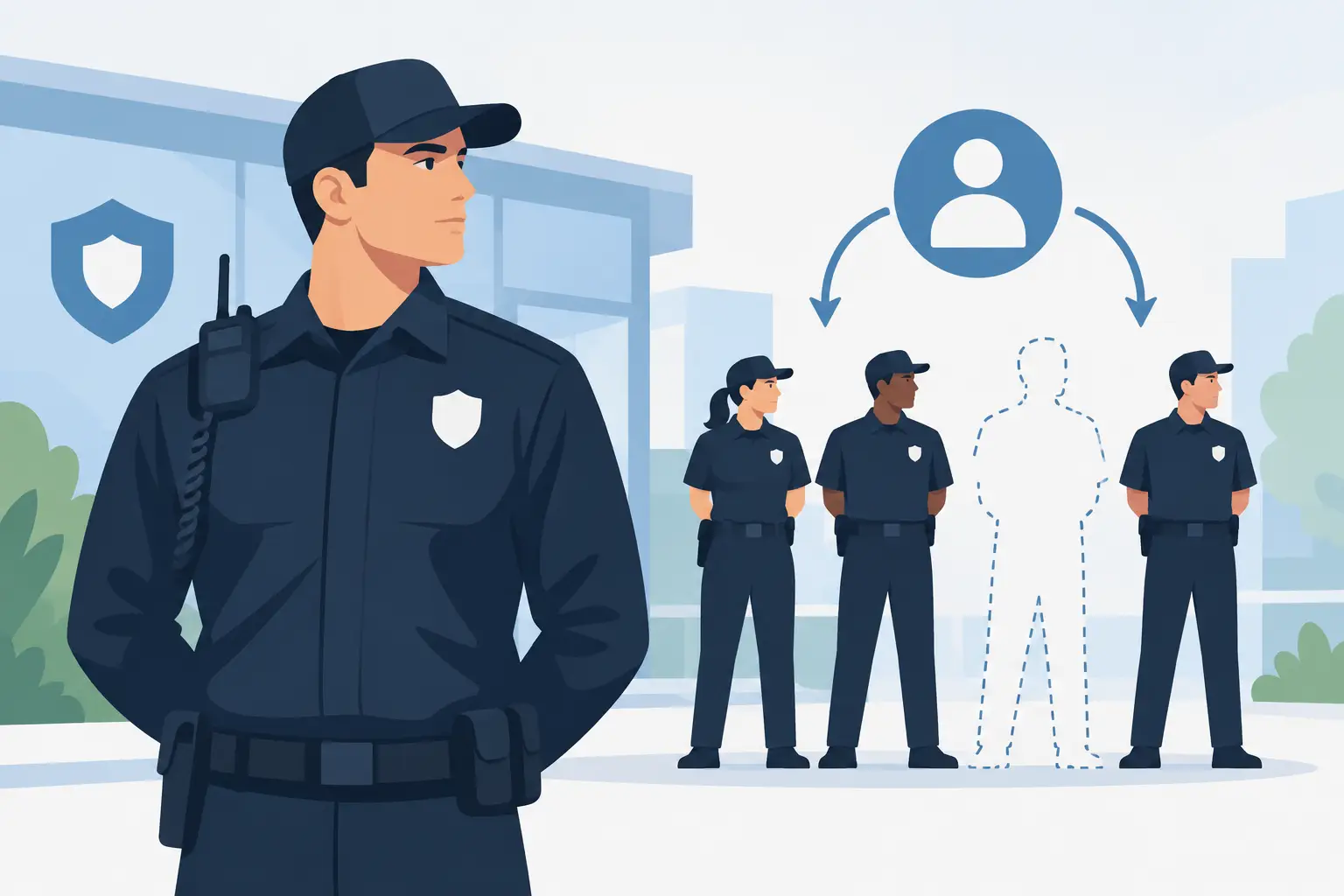
The mistake is treating the decision as binary. Many organizations need both. A corporate campus may use unarmed lobby officers during business hours and armed patrol after hours. A distribution site may rely on unarmed gate control while assigning armed coverage to a higher-risk loading area. Event security can also change by zone, time, and audience profile.
What unarmed security guards do well
Unarmed security is often underestimated because it is associated with lower-force environments. In practice, a strong unarmed officer can prevent a large number of common incidents before they escalate.
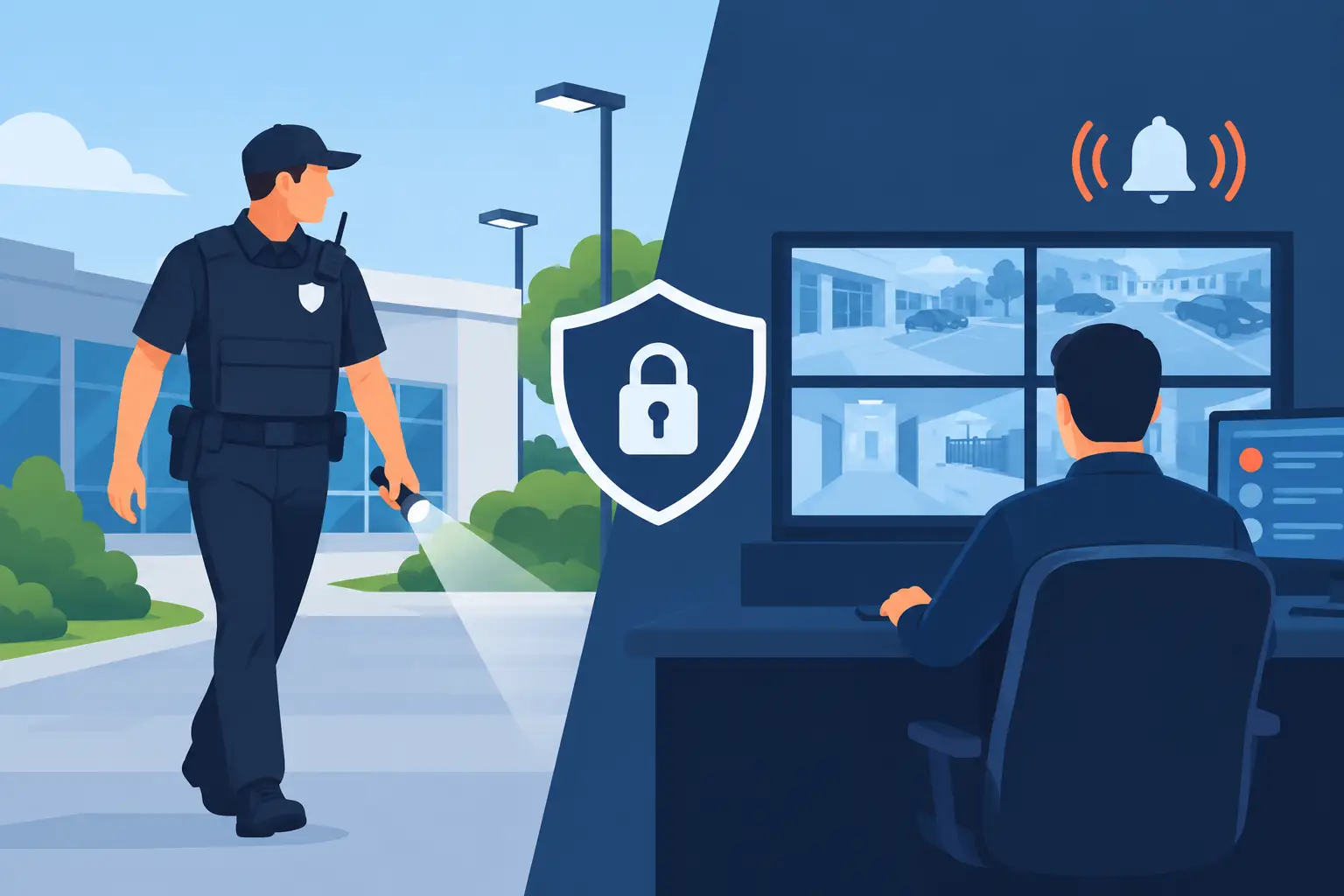
At many properties, the real daily need is controlled access, visitor verification, rule enforcement, perimeter checks, parking management, incident reporting, and a calm, authoritative response to disturbances. An experienced unarmed officer can manage these responsibilities without changing the tone of the site. That matters in client-facing environments where security must be visible but not disruptive.
Unarmed officers are also well positioned for observation and early incident detection. They notice patterns. They identify doors that are being propped open, vendors who are bypassing procedures, persons loitering beyond normal behavior, and tenant complaints that point to a larger issue. That kind of awareness supports prevention, not just reaction.
There is also a liability and culture consideration. Some businesses want a professional security presence without introducing firearms into the environment unless the risk clearly justifies it. That is a reasonable position, especially in workplaces focused on hospitality, education, healthcare-adjacent services, or public interaction. The right unarmed team can still deliver strong deterrence when officers are trained, alert, and properly supervised.
When an armed presence is justified
Armed security should never be selected for image alone. It should be selected because the threat level, asset sensitivity, or operational profile requires a higher level of defensive capability.
That may include sites handling cash, pharmaceuticals, sensitive information, or restricted materials. It may include facilities in areas with repeated violent crime exposure, locations facing specific threats, or organizations with personnel who need elevated protection. In these cases, the security officer is not just there to observe and report. The role may include standing post in a high-risk area, supporting emergency response, and serving as a strong deterrent against armed criminal activity.
There are trade-offs. Armed officers require tighter screening, stronger ongoing training, and clear use-of-force standards. Their presence can reassure employees and stakeholders, but it can also raise the emotional temperature in some environments if not managed carefully. That is why the site assessment matters. A well-run security program does not put armed personnel where they are unnecessary, and it does not leave vulnerable operations underprotected to save money.
Risk assessment should drive the decision
The most effective security programs begin with a practical review of what needs protection and what could realistically go wrong. That includes the property itself, the people moving through it, operating hours, public access points, prior incidents, neighborhood factors, and the client’s tolerance for disruption.
For one site, the biggest issue may be theft and unauthorized entry after dark. For another, it may be workplace conflict, tenant safety complaints, or event crowd control. Some multi-location businesses need consistency across sites, but not identical staffing. A suburban office may need an unarmed concierge-style officer, while a remote industrial yard needs overnight patrol and a higher state of readiness.
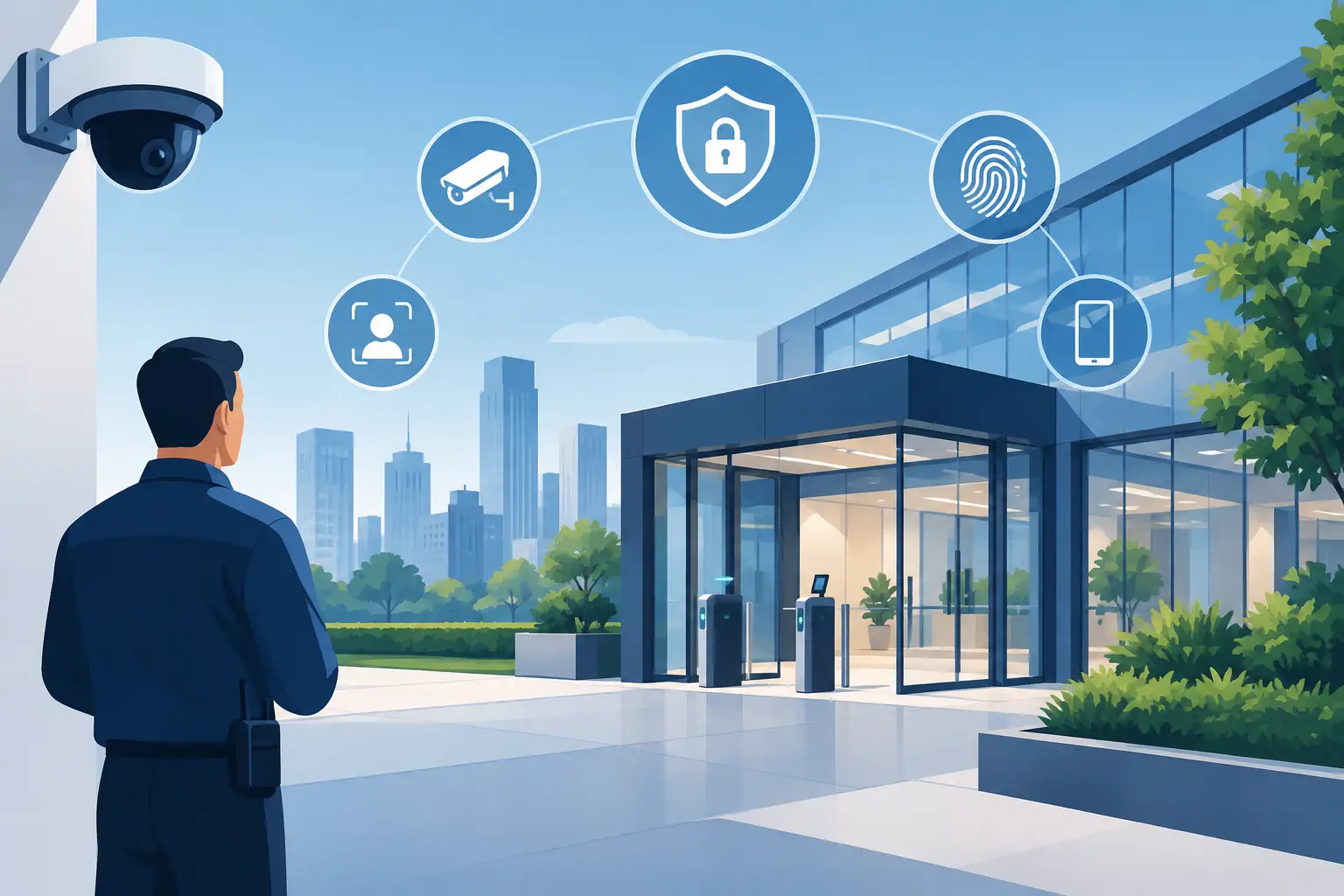
This is where experienced providers stand apart. They do not sell a standard guard package and call it a day. They evaluate post orders, escalation protocols, patrol patterns, reporting requirements, and communication with the client’s team. They ask how security can support business continuity instead of getting in its way.
What decision-makers should expect from a provider
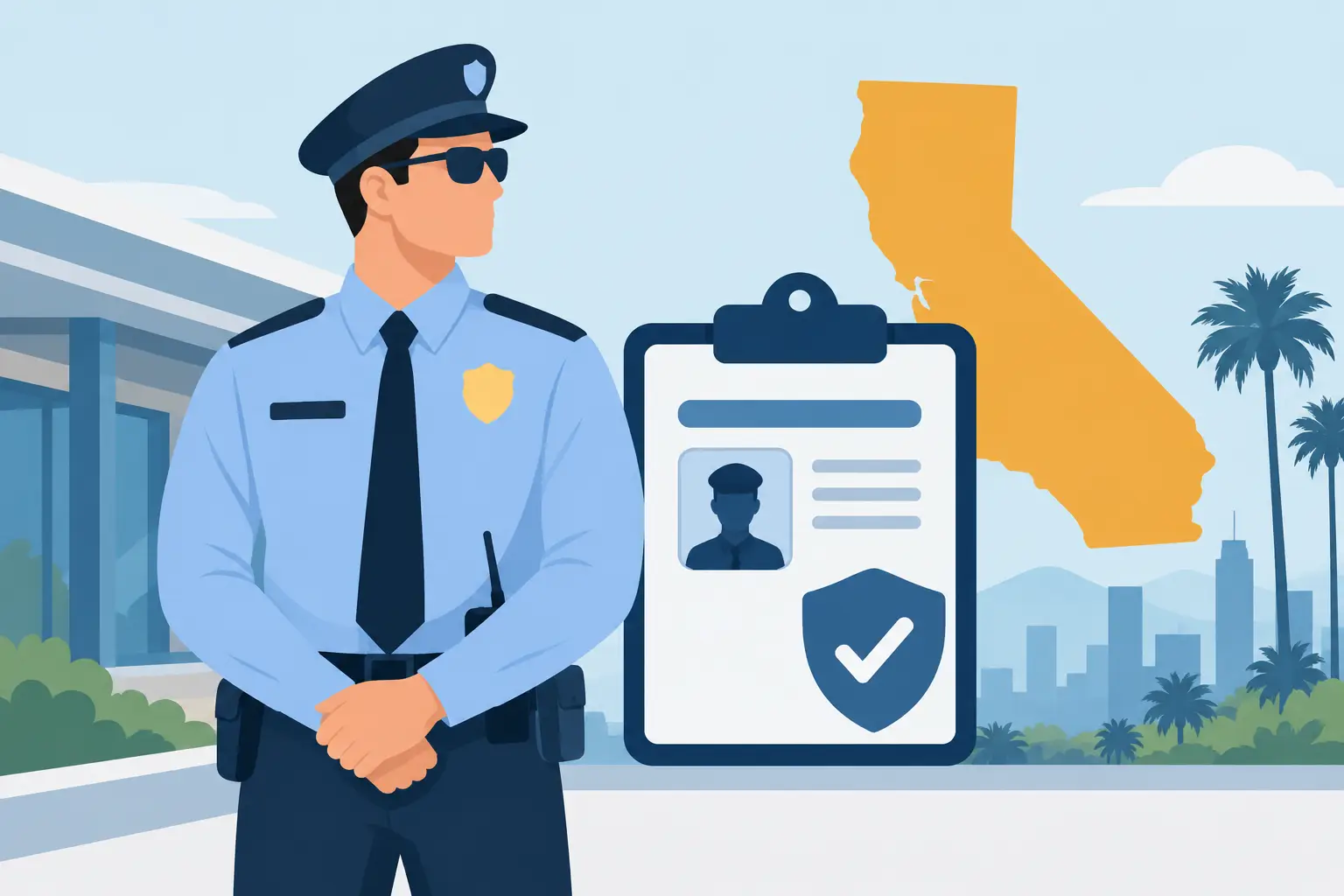
Whether you need armed or unarmed coverage, the provider should be able to explain why the staffing model fits the site. If they cannot articulate the reasoning, they are guessing.
A dependable firm should address officer qualifications, licensing, supervision, reporting, shift reliability, and incident response procedures with no ambiguity. You should know who is on site, what they are responsible for, how issues are escalated, and how the provider maintains accountability. Security failures often come from inconsistency – late arrivals, weak post knowledge, poor communication, and minimal field oversight.
Professional appearance also matters, but appearance alone is not professionalism. The standard is discipline. Officers should know the property, understand the client’s priorities, document issues clearly, and interact with employees, visitors, tenants, and vendors in a way that reflects well on the organization they are protecting.
For many clients, responsiveness is the deciding factor. A provider may promise coverage, but when a schedule changes, an officer calls off, or an incident happens at 2 a.m., execution is what counts. That is one reason veteran-led firms such as Springfield Private Security resonate with businesses that want a mission-oriented partner, not just a staffing vendor.
Matching security to the environment
One of the most overlooked parts of guard services is fit. The best officer for a corporate front desk is not always the right officer for an industrial yard, a special event, or a financial site. Security works better when the assignment matches the officer’s capabilities and the client’s culture.
At a Class A office property, the priority may be access control, professionalism, and discreet issue handling. At a retail center, it may be visibility, patrol coverage, and fast intervention in nuisance activity. At a private event, it may be entry screening, crowd flow, and quiet coordination with organizers. At a higher-risk facility, it may be deterrence, perimeter integrity, and readiness for a serious threat.
That is why customization matters. Armed and unarmed security guard services should not be treated like a commodity. The post design, staffing mix, reporting cadence, and escalation plan all affect results.
The real question is not armed or unarmed
The real question is whether your security posture matches your operating reality. If the answer is no, the site will eventually show you where the gaps are.
Some businesses need a reassuring front-of-house presence that keeps people safe without changing the customer experience. Others need a stronger deterrent because the risk is obvious and the exposure is real. Many need a layered approach that changes by shift, zone, or incident history. There is no single right answer for every property, but there is a right answer for yours.
Good security should reduce uncertainty. It should help your team work, your visitors move confidently, and your operation stay focused on its mission. If your current coverage is creating friction, leaving questions unanswered, or failing to reflect the risks you actually face, that is usually the signal to reassess before the next incident does it for you.
One Response