A stolen credential, a compromised camera, or a propped-open service door can create the same operational problem: an unauthorized person gains access before anyone has enough information to respond. Cyber physical security integration brings those risks into one coordinated protection plan, connecting the systems, people, and procedures responsible for keeping a facility secure.
For business owners, property managers, and operations leaders, the value is not technology for its own sake. It is earlier detection, clearer decision-making, faster response, and fewer interruptions to employees, tenants, customers, and daily operations.
What Cyber Physical Security Integration Means
Cyber security protects networks, devices, data, and digital identities. Physical security protects people, facilities, equipment, and controlled spaces. They are often managed separately, even though a weakness in one can quickly affect the other.
Consider an access control system. It is a physical security tool because it controls entry to a building, server room, loading dock, or restricted office. It is also a connected device that relies on credentials, software, network communications, and administrative permissions. If its network is poorly protected, someone may be able to alter permissions remotely. If physical access to its control panel is not protected, someone may tamper with the system on site.
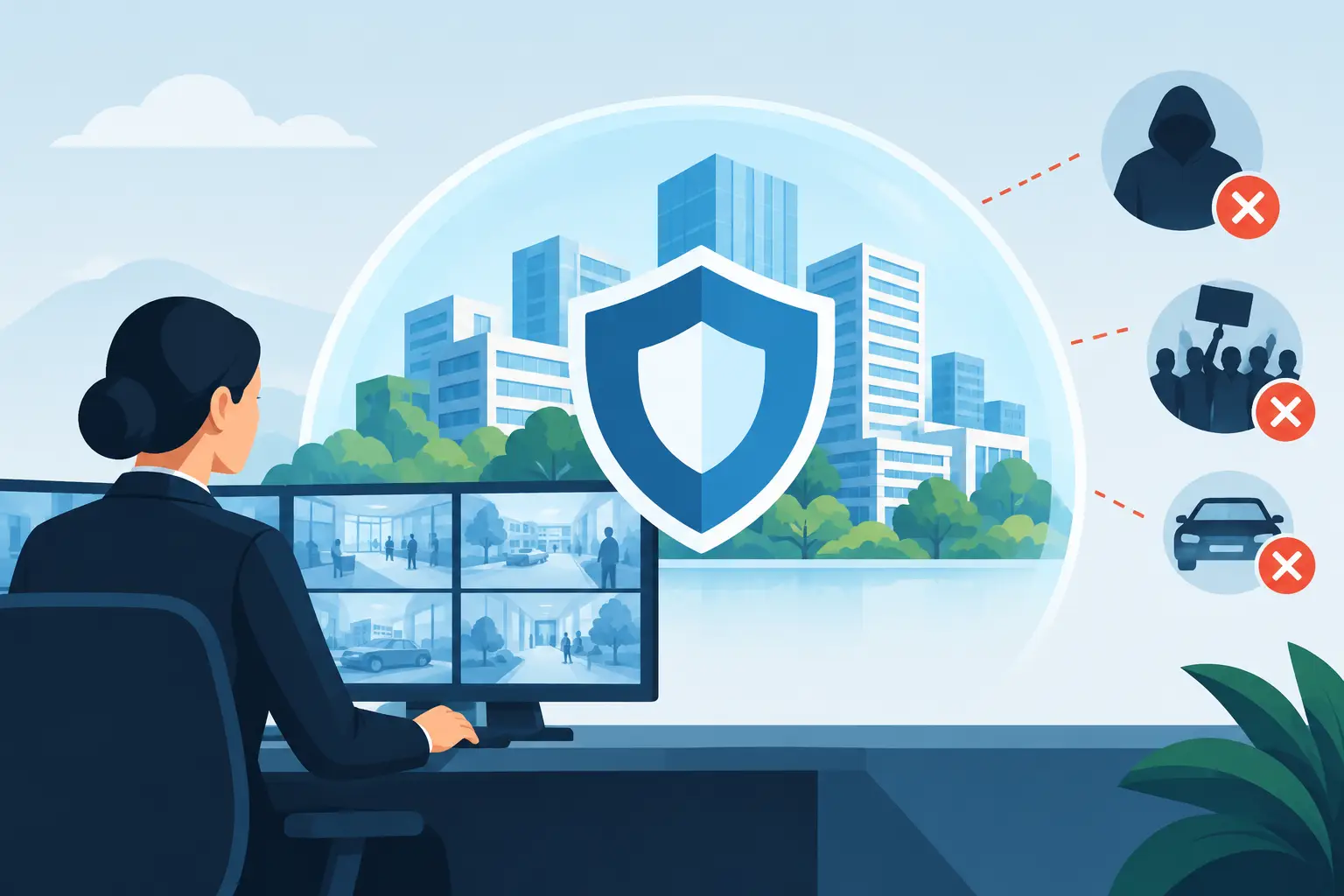
Integration means evaluating these connections deliberately. It aligns electronic access control, video surveillance, alarms, visitor management, cybersecurity controls, security officers, incident reporting, and emergency procedures. The goal is to ensure that a meaningful alert leads to a verified response rather than becoming another ignored notification.
Why Separate Security Programs Leave Gaps
Many organizations have capable individual systems but lack a coordinated operating plan. The IT team may receive an alert about a failed login from a device at the same moment an officer observes an unfamiliar contractor near a restricted area. If those facts are not connected, both teams may treat them as routine events.
The same gap appears after an incident. A camera may record suspicious activity, but footage is not reviewed until days later. A terminated employee may lose network access but retain a working building credential. A delivery entrance may be monitored by video, but no one is responsible for challenging tailgating or confirming after-hours access.
These are not always failures of equipment. They are often failures of ownership, communication, and procedure. Security technology produces data. A disciplined program establishes what information matters, who receives it, how it is verified, and what action follows.
The business impact is operational, not theoretical
Unauthorized access can expose confidential data, inventory, cash, equipment, customer information, and employee safety. It can also create downtime, liability concerns, insurance issues, tenant complaints, and reputational damage. For facilities that support healthcare, financial operations, utilities, logistics, or other critical functions, delays can have broader consequences.
The appropriate level of integration depends on the site. A small office may need basic access controls, camera coverage, credential management, and a clear escalation process. A multi-location operation or critical facility may require continuous monitoring, network segmentation, threat intelligence, mobile patrols, on-site officers, and tested crisis response procedures.
How Cyber Physical Security Integration Works in Practice
Effective integration starts with the real environment. That means understanding how people enter and exit, where valuable assets are located, which systems support operations, and what disruptions would be most costly.
A practical assessment examines physical conditions such as doors, gates, key control, lighting, camera placement, visitor flow, loading areas, and employee-only spaces. It also reviews the digital side: connected security devices, remote access, account permissions, password practices, software updates, device inventories, and how vendors connect to the network.
The findings should produce an operational plan, not a stack of generic recommendations. For example, a property manager may need a procedure that automatically reviews access credentials when tenants change staff. A warehouse may need alerts for after-hours door activity paired with camera verification and mobile patrol response. A corporate site may need security officers who can recognize social engineering attempts at reception and escalate suspicious behavior quickly.
Connect alerts to a decision and a response
The strongest programs define actions before an incident occurs. If an access card is used at an unusual hour, the response might include camera verification, a call to the authorized supervisor, and dispatch of an officer or patrol unit if the event cannot be explained.
If a security camera or access controller goes offline, someone should know whether it is a routine technical issue or possible tampering. If an employee is separated from the organization, human resources, IT, facilities, and security should have a coordinated offboarding process that removes digital accounts, building credentials, keys, parking access, and visitor approvals promptly.
Not every alert warrants an immediate emergency response. That is where trained personnel and clear escalation thresholds matter. Overreacting creates disruption and erodes confidence. Underreacting leaves risks unresolved. The right response is proportionate to the threat, informed by verified facts, and documented for follow-up.
Security Officers Remain Essential
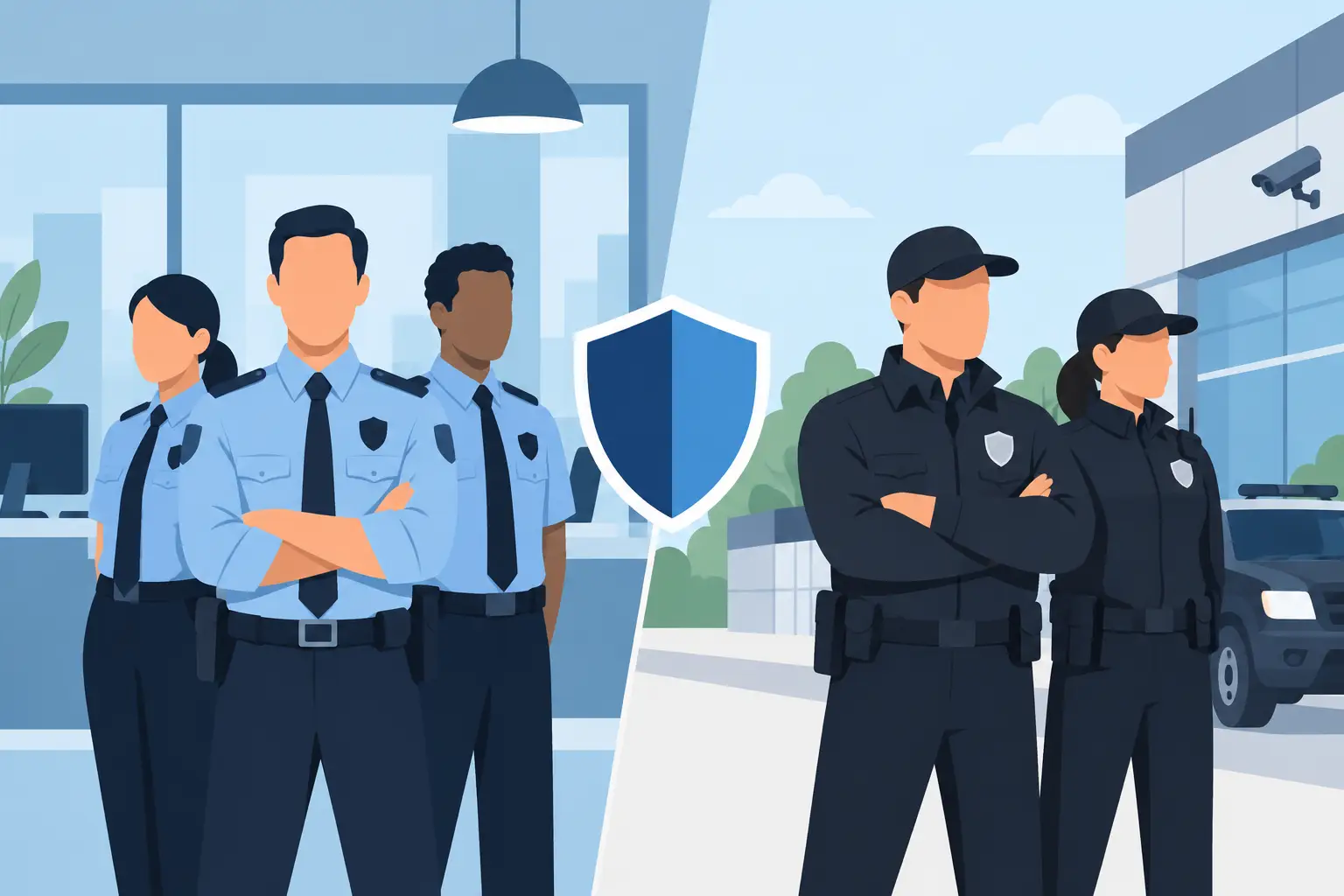
Technology can identify patterns and provide visibility, but it does not replace professional judgment. A trained officer can assess behavior, communicate calmly with staff and visitors, preserve a safe scene, coordinate with first responders, and distinguish a technical alert from a developing incident.
Officers also improve the quality of information available to decision-makers. They can verify whether a door alarm resulted from a maintenance issue, an employee mistake, or attempted intrusion. They can monitor sensitive entrances during high-traffic periods, enforce visitor procedures, and provide a visible deterrent without interfering with legitimate business activity.
For many clients, the most effective model combines properly configured systems with on-site officers, mobile patrols, or rapid response coverage. The balance depends on operating hours, location, asset value, public access, prior incidents, and the consequences of a security failure.
Common Integration Priorities
Organizations do not need to rebuild every security system at once. Start with the points where physical and digital exposure overlap most clearly:
- Access credentials and user accounts, especially during hiring, role changes, and separation.
- Network-connected cameras, alarms, intercoms, access panels, and their administrative permissions.
- Visitor, contractor, and vendor access to facilities and internal systems.
- After-hours activity at entrances, loading docks, parking areas, and restricted rooms.
- Incident reporting, evidence preservation, notification paths, and crisis communications.
This work should include vendors. Integrators, alarm companies, camera providers, IT contractors, and facility maintenance personnel may all require access to systems or sensitive areas. Confirm what access they have, who approves it, how long it lasts, and how it is removed when the work is complete.
Avoid Technology-First Decisions
A common mistake is purchasing new platforms before defining the operating need. A larger camera system will not resolve poor coverage at critical entrances. More alarms will not help if no one has responsibility for verifying them. A sophisticated access platform will not protect a facility if credentials are shared or staff routinely bypass procedures for convenience.
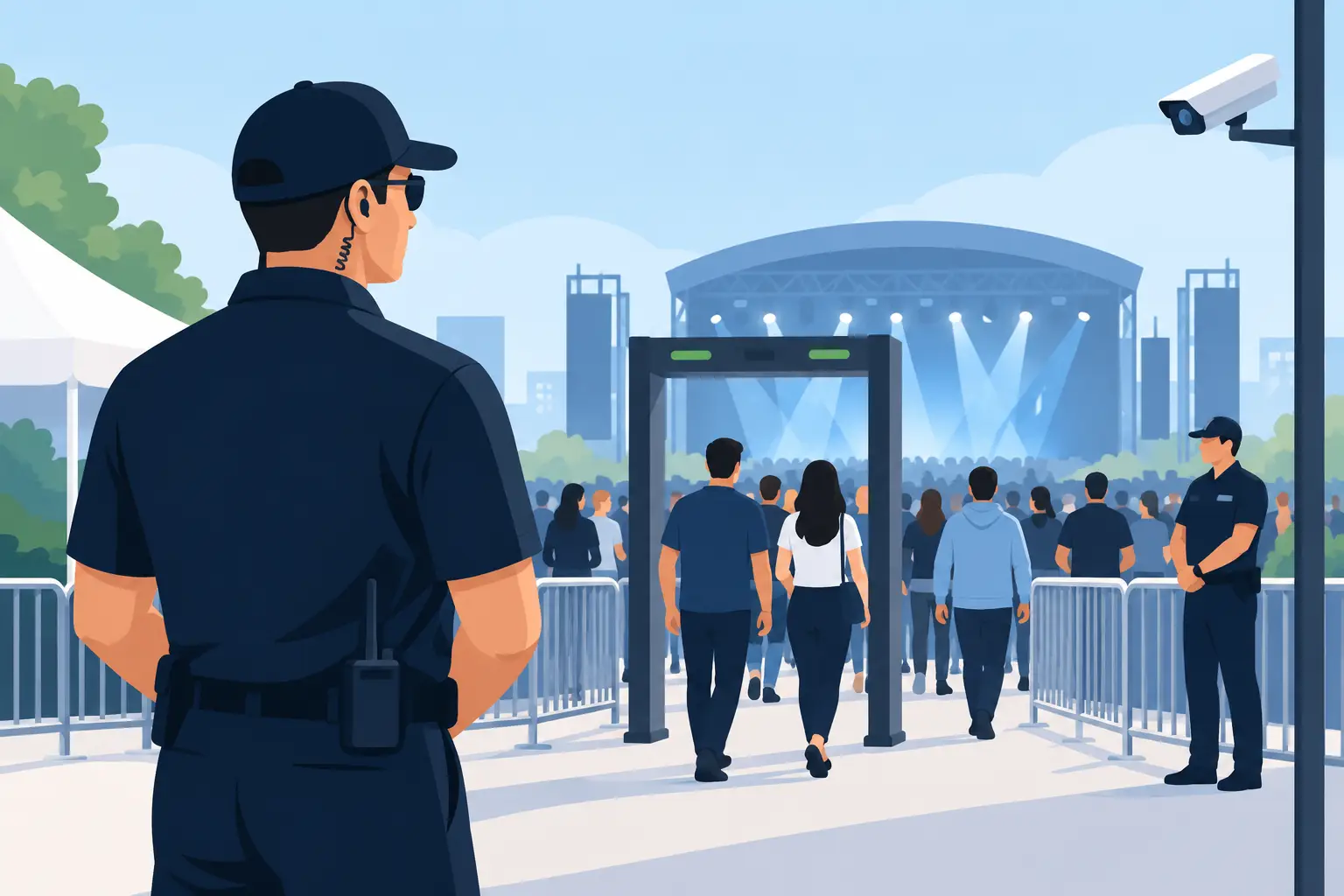
Integration should make security easier to manage, not create a complicated process that employees avoid. Procedures must account for the pace of the business. A busy event venue needs entry screening that maintains order without creating unsafe lines. A medical or corporate site needs visitor controls that remain professional and respectful. A logistics facility needs security measures that support delivery schedules while protecting restricted areas.
Training is equally important. Staff should know how to report suspicious activity, whom to contact after hours, why badge sharing is prohibited, and what to do if a device, door, or camera appears compromised. They do not need to become security specialists. They need simple expectations that fit their role.
Build a Program That Can Respond Under Pressure
A sound cyber physical security program is tested, not assumed. Conduct realistic reviews of access events, offline cameras, lost credentials, suspicious visitors, emergency communications, and vendor access. Identify where a response slows down, where authority is unclear, and where critical information is unavailable.
Documentation matters because incidents can involve management, IT, security personnel, insurers, legal counsel, and law enforcement. Accurate logs, video retention practices, incident reports, and a defined chain of communication help protect the organization after the immediate threat has passed.
For California and Nevada organizations managing complex sites or multiple locations, a customized assessment can identify the highest-priority gaps without disrupting operations. Springfield Private Security approaches this work as an operational mission: protect people and assets, support continuity, and give leaders a response plan they can rely on when conditions change.
The most useful security improvement is often not another device. It is the moment when a digital signal, a physical observation, and a trained response come together early enough to prevent a minor concern from becoming a business interruption.