
A vacant parking lot at 2:15 a.m. can tell you a lot about your security plan. If no one is checking gates, exterior doors, loading areas, and perimeter conditions after hours, small issues can turn into expensive problems before the morning shift arrives. That is where mobile patrol security services often deliver the most value – visible deterrence, timely checks, and a faster path to response when something is off.
For many businesses and property operators, the question is not whether security matters. It is whether a full-time on-site officer is necessary at every hour, every location, and every risk level. In many cases, the answer is no. A well-structured patrol program can provide meaningful coverage at a lower cost than dedicated static guarding, while still improving accountability, incident awareness, and peace of mind.
What mobile patrol security services actually do
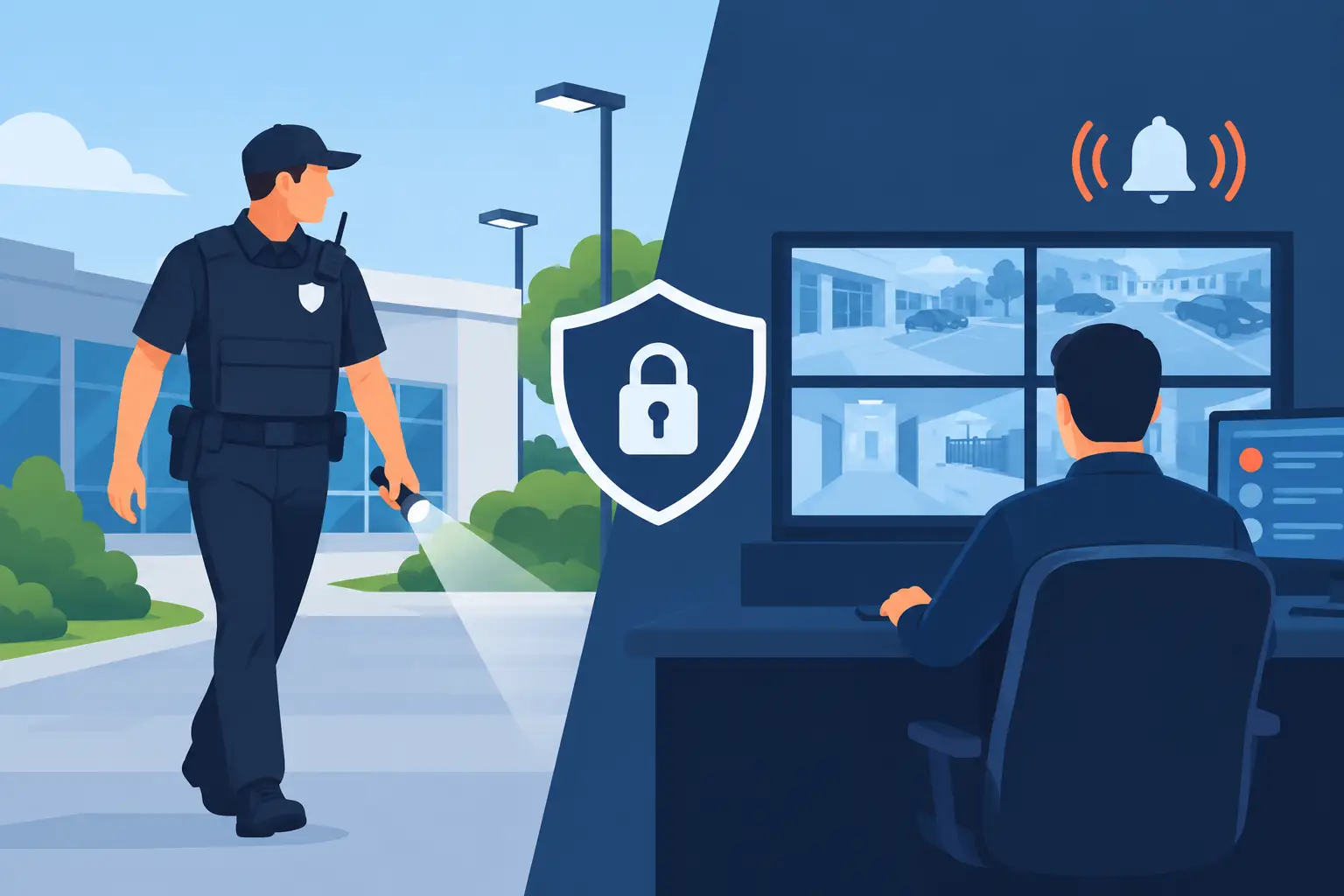
Mobile patrol security services are built around scheduled or randomized visits to a property or group of properties by trained security personnel in marked or discreet vehicles. During each patrol, officers inspect key risk points such as access gates, doors, fences, parking areas, common spaces, and vulnerable exterior zones. They may also respond to alarms, assist with lockups and unlocks, document unusual activity, and coordinate emergency response when needed.
The strength of a mobile model is flexibility. Instead of placing one officer in one fixed position, patrol coverage can be directed where it matters most and when it matters most. That makes it a practical option for commercial sites, industrial facilities, office parks, retail centers, construction projects, schools, healthcare properties, and multi-site operations that need recurring oversight without constant stationary coverage.
That said, patrol services are not a substitute for every security need. If a site requires continuous access control, lobby presence, bag checks, or constant interior monitoring, an on-site officer may still be the better fit. The right approach depends on threat exposure, operating hours, property size, public traffic, and how quickly a problem needs to be addressed.
When mobile patrol security services are the right fit
Mobile patrol is often the right answer when risk is spread across a property rather than concentrated at one post. A warehouse complex with multiple entrances, a business park with after-hours traffic, or an apartment community with recurring perimeter concerns can benefit from regular patrol checks more than from a guard seated in one location.
It also makes sense when you need a stronger security presence outside standard business hours. Many incidents happen during transition periods – early morning openings, overnight closures, shift changes, and holiday downtime. Patrol officers can verify that the site is secure, identify suspicious activity, and create the kind of visible presence that discourages opportunistic theft, trespassing, and vandalism.
For organizations managing multiple properties, patrol coverage can improve consistency. Rather than relying on employees to report issues or hoping local law enforcement notices a problem, a patrol team can inspect each location based on a defined schedule and reporting standard. That gives operations leaders and property managers better visibility into what is happening across their portfolio.
The business value goes beyond deterrence
The most obvious benefit of patrol security is visibility. Marked vehicles, uniformed officers, and documented site checks send a clear message that the property is being watched. That alone can reduce certain types of criminal activity.
But deterrence is only part of the value. Mobile patrol can support business continuity by catching maintenance and safety issues before they escalate. An unsecured door, broken fence panel, water leak, unauthorized vehicle, or lighting outage may not look like a major incident at first. Left unaddressed, each one can create liability, downtime, or a larger security event.
There is also a response benefit. When patrol officers are already assigned to a site or region, they can often investigate suspicious conditions faster than a general emergency call process. That matters when an alarm is triggered, a tenant reports a disturbance, or a facility manager needs immediate after-hours support.
For clients that want security without unnecessary friction, patrol services can be especially effective. They protect the property without placing a constant uniformed presence in customer-facing areas during normal operations. That balance matters for businesses that want to maintain a professional, welcoming environment while still taking security seriously.
What a strong patrol program should include
Not all patrol services are equal. The difference usually comes down to planning, officer quality, and communication.
A strong patrol program starts with a site-specific assessment. Security providers should understand the property layout, operating schedule, access points, past incidents, lighting conditions, tenant or visitor patterns, and any known vulnerabilities. Patrol routes and check frequencies should be based on actual risk, not generic assumptions.
Reporting also matters. Decision-makers should know what was checked, what was observed, and what actions were taken. Clear activity reports and incident documentation create accountability and help clients identify recurring patterns over time.
Officer training is another point that should never be treated as optional. Patrol personnel need more than a vehicle and a route. They should know how to observe, de-escalate, document, communicate, and respond within the scope of the assignment. In higher-risk environments, experience with emergency procedures, site protocols, and coordination with law enforcement or property leadership becomes even more important.
Finally, the patrol plan should be adaptable. Security needs change with occupancy levels, construction phases, event schedules, staffing shortages, and seasonal crime patterns. A rigid plan that never adjusts can leave gaps where risk is increasing.
Mobile patrol vs. on-site guards
This is not an either-or decision in every case. Some clients need both.
On-site guards are better when a continuous presence is required. If you need someone stationed at an entrance, monitoring a camera room, screening visitors, or managing employee access all day, mobile patrol will not replace that function.
Mobile patrol is often better when coverage needs to extend across larger exterior areas, multiple buildings, or several properties. It can also be a more efficient use of budget for after-hours security, routine inspections, and alarm response.
In many environments, the most effective solution is layered. An on-site officer handles front-facing duties during operating hours, while mobile patrol covers overnight checks, perimeter inspections, and rapid response support. That kind of structure aligns security resources with how the site actually functions instead of applying the same coverage model around the clock.
Choosing a provider for mobile patrol security services
If you are evaluating providers, focus less on broad promises and more on execution. Ask how patrols are scheduled, how reports are delivered, how officers are supervised, and what happens when an incident occurs at 3:00 a.m. A dependable provider should be able to explain response procedures in plain terms.
It is also worth asking how customized the service really is. The right security partner should be able to build around your operation, not force your operation to adjust around a canned patrol package. That includes considering opening and closing procedures, tenant concerns, liability exposure, local crime trends, and escalation protocols.
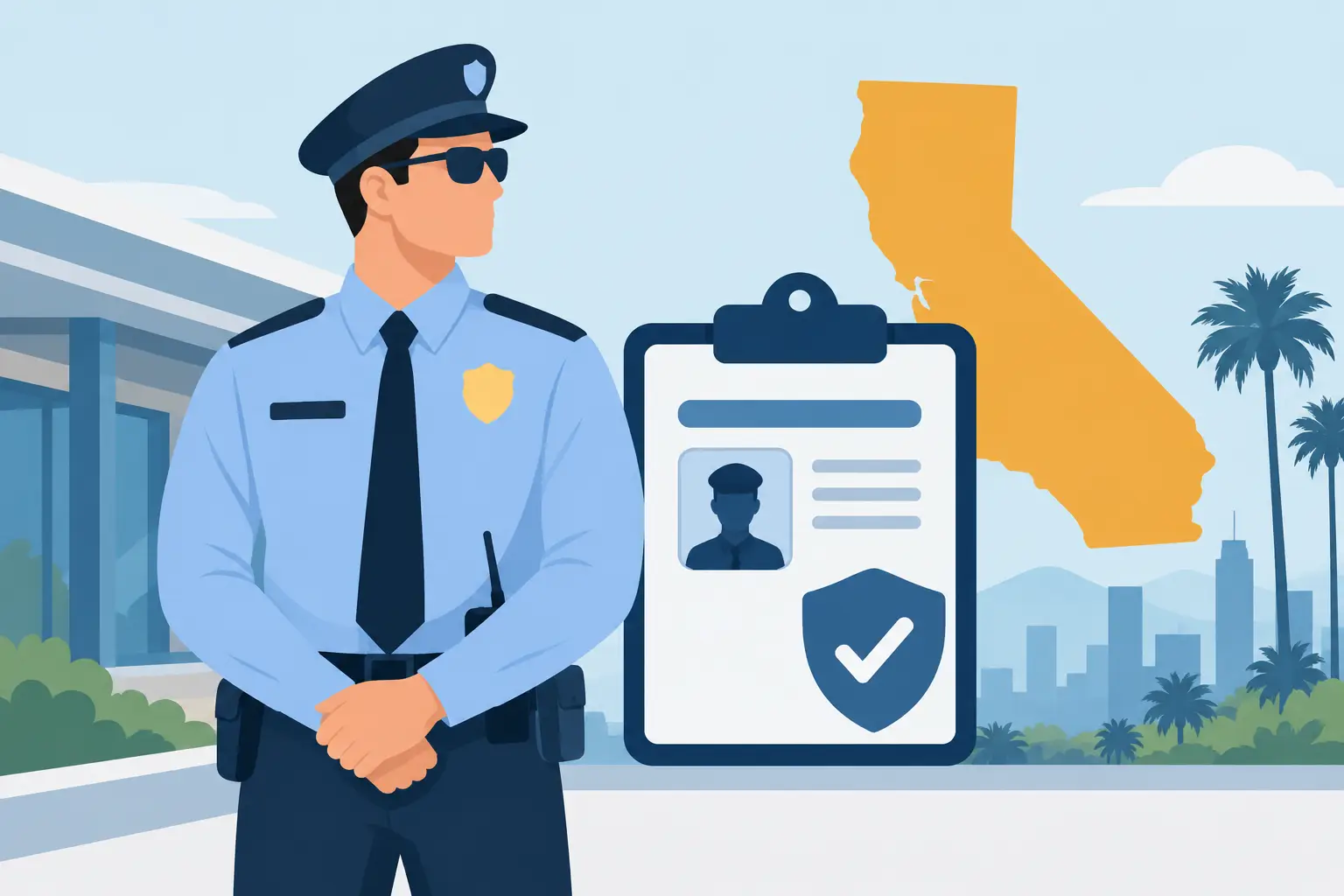
For businesses and organizations in California and Nevada, local operating experience matters. Regulations, property types, staffing realities, and regional risk conditions vary. A veteran-led firm such as Springfield Private Security brings operational discipline that can be especially valuable when clients need patrol services that are professional, responsive, and aligned with business continuity rather than just visible presence.
The real question is coverage, not just cost
Security buyers sometimes compare mobile patrol to on-site guarding only through hourly rates. That is understandable, but incomplete. The better question is what type of coverage actually reduces risk at your property.
A lower-cost patrol plan that misses critical time windows may leave you exposed. A full-time guard at a low-risk site may be more coverage than you need. The objective is not simply to spend less or to place the most personnel possible. It is to match security resources to the way your business operates, the threats you face, and the response standard you expect.
When mobile patrol security services are designed well, they provide a disciplined middle ground – visible enough to deter, flexible enough to adapt, and practical enough to support day-to-day operations without getting in the way. For many properties, that is exactly what effective security should look like.
If you are reviewing your current coverage, start by looking at where incidents are most likely to occur, when your site is most exposed, and how quickly someone needs to act when conditions change. The right patrol plan is not the one that sounds the most impressive. It is the one that shows up where and when your operation needs it.

3 Responses