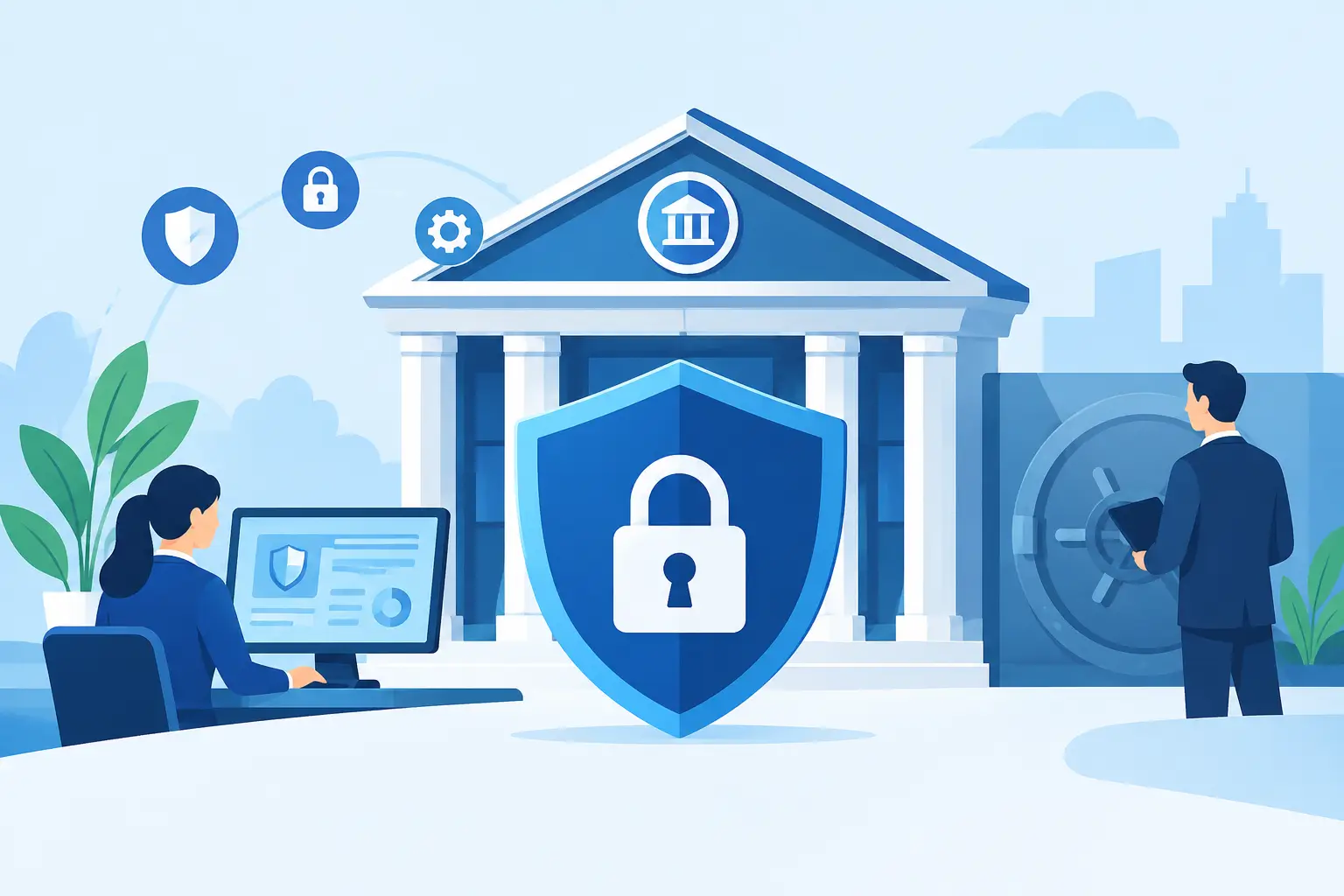
A commercial property can look secure on paper and still be exposed in practice. A camera may be pointed at the right door but not actively monitored. An access system may log entries but fail to flag unusual activity. A guard may be present but lack clear post orders for an escalating situation. The most consequential security trends for commercial properties address those operational gaps by connecting technology, trained personnel, and a response plan that works under pressure.
For property managers, operations leaders, and business owners, the priority is not adding security equipment for its own sake. It is building a security posture that protects people, property, and continuity of operations without creating unnecessary friction for employees, tenants, customers, or visitors.
Security Trends for Commercial Properties: From Tools to Response
The most meaningful shift in commercial security is a move away from isolated tools. Cameras, alarms, locks, patrols, and incident reports have traditionally been treated as separate functions. Leading properties are now asking how these functions support one another during a real event.
That change matters because most incidents develop in stages. A person tests a perimeter, enters an unauthorized area, loiters near a sensitive asset, or creates a disturbance that affects staff and guests. When security measures operate independently, those signals may be missed or recognized too late. When they are integrated into a clear operational plan, personnel can assess conditions earlier and respond with the appropriate level of authority and care.
Technology can improve awareness, but it does not replace professional judgment. A notification is useful only when someone knows who receives it, how it is verified, and what action follows. Commercial properties should evaluate every security investment against that standard.
AI-Enabled Video Monitoring Is Becoming More Practical
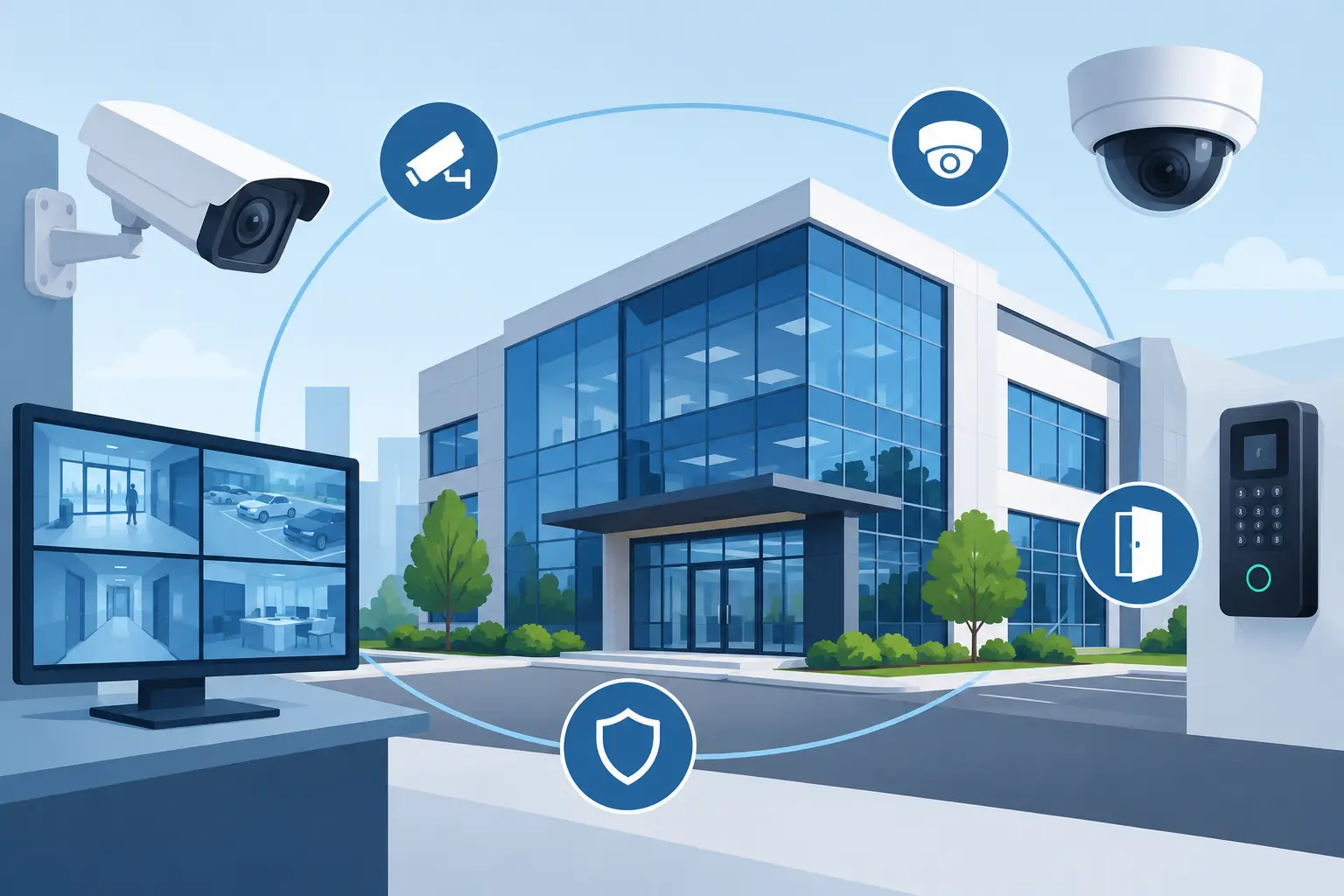
Video surveillance remains a core security measure, but commercial properties are increasingly using analytics to make camera systems more useful. Modern platforms can help identify perimeter breaches, after-hours movement, unattended objects, vehicle activity, and people entering restricted zones.
The benefit is not simply more footage. It is faster attention to footage that may matter. A large office campus, retail center, warehouse, or industrial facility can generate hours of uneventful video every day. Analytics can help direct a security officer or monitoring team to an event that requires review.
There are limits. Analytics can produce false alerts due to weather, shadows, animals, or normal site activity. Privacy expectations and applicable laws also require careful consideration, particularly when facial recognition or employee monitoring features are involved. The right approach is to use video intelligence to support trained decision-making, not to automate accusations or replace a measured response.
For many sites, the strongest model combines strategically placed cameras with on-site officers, mobile patrols, or a defined rapid-response protocol. That structure gives the property a real person who can verify conditions and take appropriate action.
Access Control Is Moving Beyond Keys and Keycards
Mechanical keys are difficult to track, easy to duplicate, and slow to recover when employees, contractors, or tenants separate from an organization. Keycards improved accountability, but they can also be lost, shared, or used outside approved times without immediate notice.
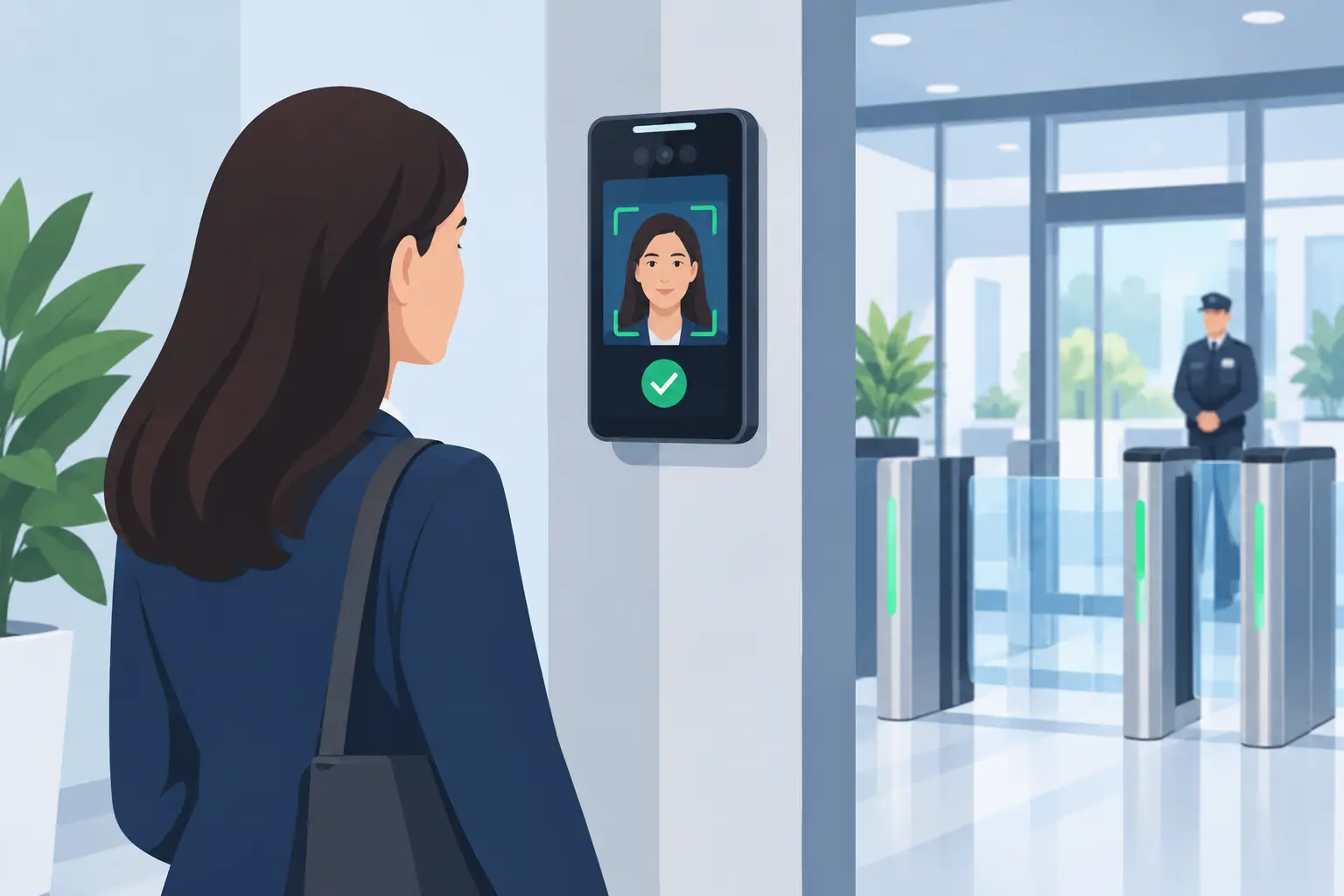
Commercial properties are moving toward mobile credentials, cloud-managed access systems, visitor management tools, and permissions that can be adjusted quickly. These systems allow managers to limit access by location, role, schedule, or temporary need. A vendor may need entry to a mechanical room for two hours, for example, while an executive suite or server room requires tighter controls.
The practical advantage is speed. When a credential must be deactivated, access can be removed immediately rather than waiting for locks to be rekeyed or cards to be collected. For multi-location organizations, centralized access management also gives leadership better visibility into who can enter each site.
Still, access control should not become a barrier to safe operations. Emergency egress, fire code compliance, accessibility, and contingency procedures during a power or network disruption must be considered before deployment. A well-designed system makes entry controlled, exit safe, and exceptions manageable.
Visible Security Is Being Used More Strategically
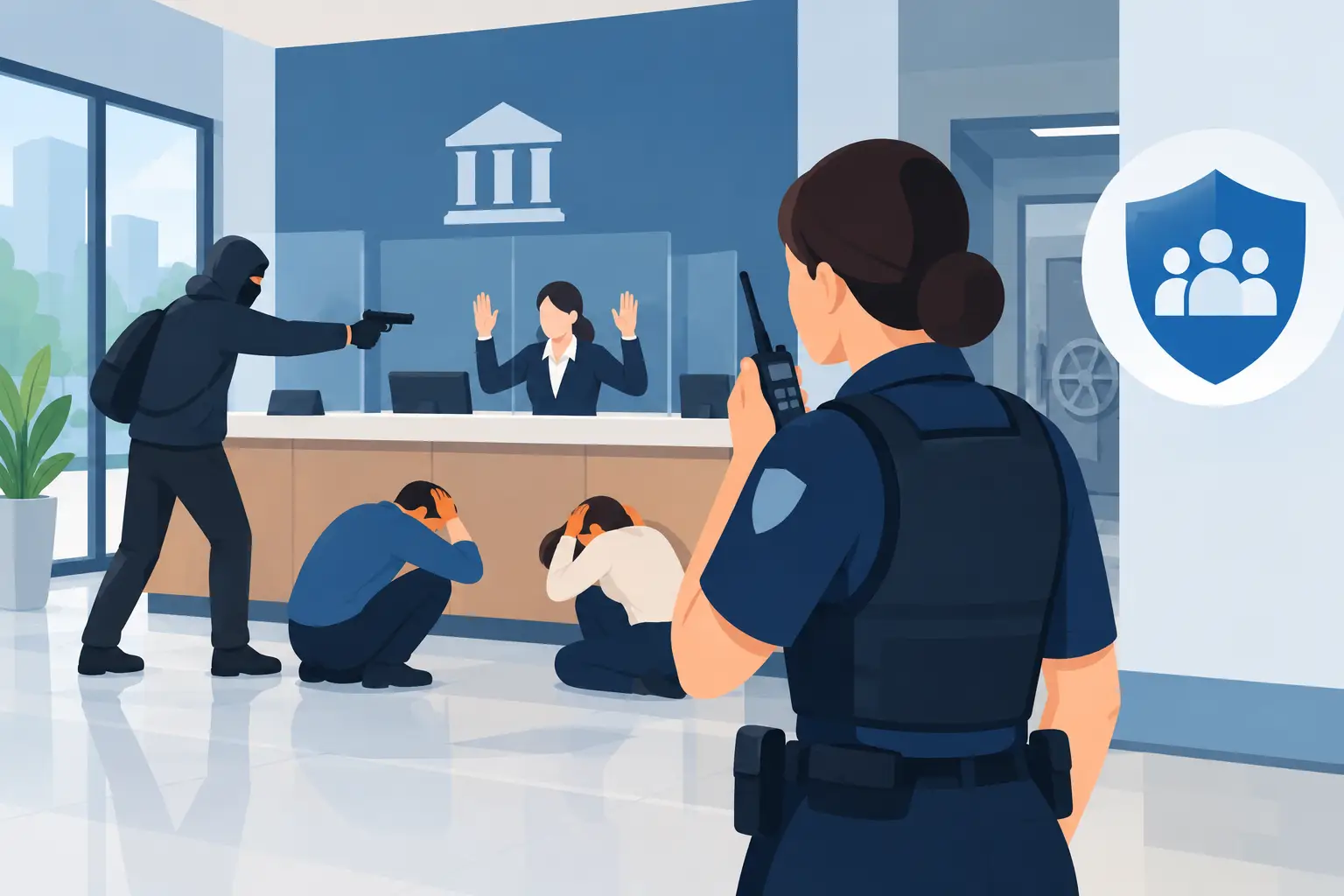
For some commercial environments, visible security remains one of the most effective deterrents available. A professional uniformed officer at a bank, retail location, corporate lobby, construction site, or event sends a clear message: the property is actively managed and help is available.
The trend is toward placing that presence where it serves the operation, rather than assigning officers to a static position with limited purpose. An officer may manage entry points during peak periods, conduct interior and exterior patrols, assist with employee escorts, enforce visitor procedures, document hazards, and coordinate a response when conditions change.
The appropriate level of visibility depends on the site. A luxury residential or corporate setting may require a hospitality-minded officer who blends into the environment. A property with repeated trespass, theft, or workplace violence concerns may need a more visible deterrent posture. Armed coverage may be appropriate for certain high-risk assignments, while unarmed officers are the better fit for many client-facing environments.
The key is matching officer training, authority, demeanor, and post orders to the property’s actual risk profile. A generic guard assignment may create a presence. A customized security program creates accountability and purpose.
Early Incident Detection Is Replacing Reactive Security
Commercial security is increasingly focused on recognizing indicators before they become a loss, injury, or disruption. This includes monitoring for repeated access failures, perimeter testing, suspicious vehicles, conflicts involving employees or visitors, unusual delivery activity, and signs of theft or vandalism.
Early detection is especially valuable for properties operating after hours, managing high-value inventory, handling sensitive information, or serving the public in unpredictable environments. It is also relevant to workplace safety. A tense customer interaction, a terminated employee, or a person attempting to bypass normal procedures may require attention before a situation reaches the point of crisis.
This is where reporting discipline matters. Officers, supervisors, and facility teams need a consistent process for documenting incidents, observations, and follow-up actions. A concise report can reveal patterns that a single camera clip or isolated shift report cannot. It also gives leadership a record of due diligence when evaluating liability, insurance, or future security decisions.
Cyber and Physical Security Are Now Connected
A compromised access-control account can create a physical entry risk. A stolen employee badge may be paired with information gathered through phishing. A camera network with weak credentials can expose sensitive facility information. The line between cyber security and physical security is no longer as clear as it once was.
Commercial property leaders do not need to become cybersecurity specialists, but they should ensure that physical security technology is included in broader IT and risk discussions. This means changing default passwords, limiting administrator access, applying software updates, protecting networked devices, and promptly removing credentials for former employees and vendors.
It also means planning for outages. If an internet connection, cloud platform, or networked access system fails, staff should know how the property remains secure and how emergency access is handled. Continuity plans are most useful when they are practiced before an actual disruption.
Security Programs Are Becoming More Customized
The era of one-size-fits-all commercial security is giving way to site-specific planning. A distribution center, medical office, retail plaza, school-adjacent facility, financial institution, and corporate campus may share certain risks, but their daily operations and priorities are different.
A useful assessment considers the property’s hours, public access, layout, high-value assets, staffing levels, prior incidents, nearby conditions, and emergency responsibilities. It should also account for operational realities. A security program that delays deliveries, frustrates tenants, or confuses visitors will eventually be bypassed.
That is why experienced security partners build post orders and response procedures around the client’s business objectives. The goal is not to make a property feel restrictive. The goal is to create predictable procedures, professional coverage, and fast support when something does not go as planned.
What Commercial Leaders Should Prioritize Now
Before purchasing another platform or expanding coverage, property leaders should identify their most likely security failures. Is the concern unauthorized access, after-hours trespassing, theft, employee safety, emergency response, tenant complaints, or inconsistent reporting? A clear answer prevents money from being spent on tools that do not address the actual exposure.
Next, test the response path. If an alarm sounds at 2:00 a.m., who verifies it? If a visitor refuses to leave, who has authority to intervene? If a key employee reports a threat, how is information escalated? The best time to answer these questions is not during an active incident.
Springfield Private Security approaches these questions through practical risk assessment, trained personnel, and customized protection plans designed around the client environment. For commercial properties, dependable security is measured not only by what is prevented, but also by how calmly and effectively the operation continues when risk appears.
The next improvement to your property’s security may not be another device. It may be a clearer post order, a better credential policy, a patrol route that reaches the right areas, or a response plan your team can execute with confidence.