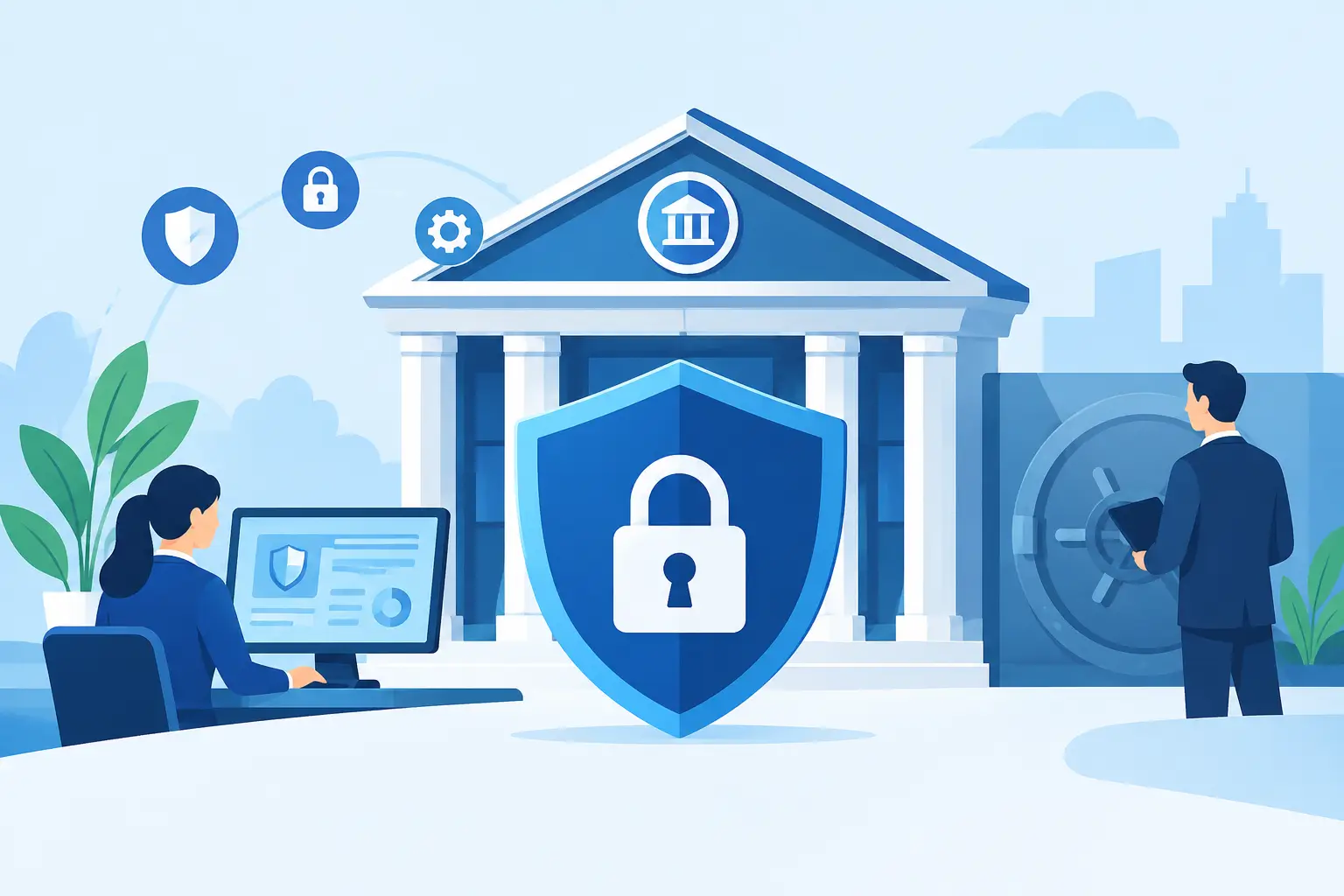
A robbery can be over in minutes, but the consequences can affect employees, customers, evidence, and branch operations for days. A disciplined bank robbery response gives people a clear framework under pressure: preserve life first, alert the right resources when it is safe, protect the scene, and support recovery without creating additional risk.
For banks, credit unions, and financial institutions, the goal is not to turn employees into law enforcement officers. The goal is to prepare them to respond calmly, follow established procedures, and return the facility to safe operations with as little disruption as possible.
The First Priority Is Life Safety
During an active robbery, employees and on-site security personnel should focus on the immediate safety of everyone present. Money, equipment, and property can be replaced. People cannot.
A well-designed response plan directs staff to avoid confrontation, comply with established institutional procedures, and avoid actions that could escalate the situation. No employee should attempt to restrain, chase, or physically confront a suspect unless there is an immediate threat that requires action to protect life and they are trained and authorized to do so.
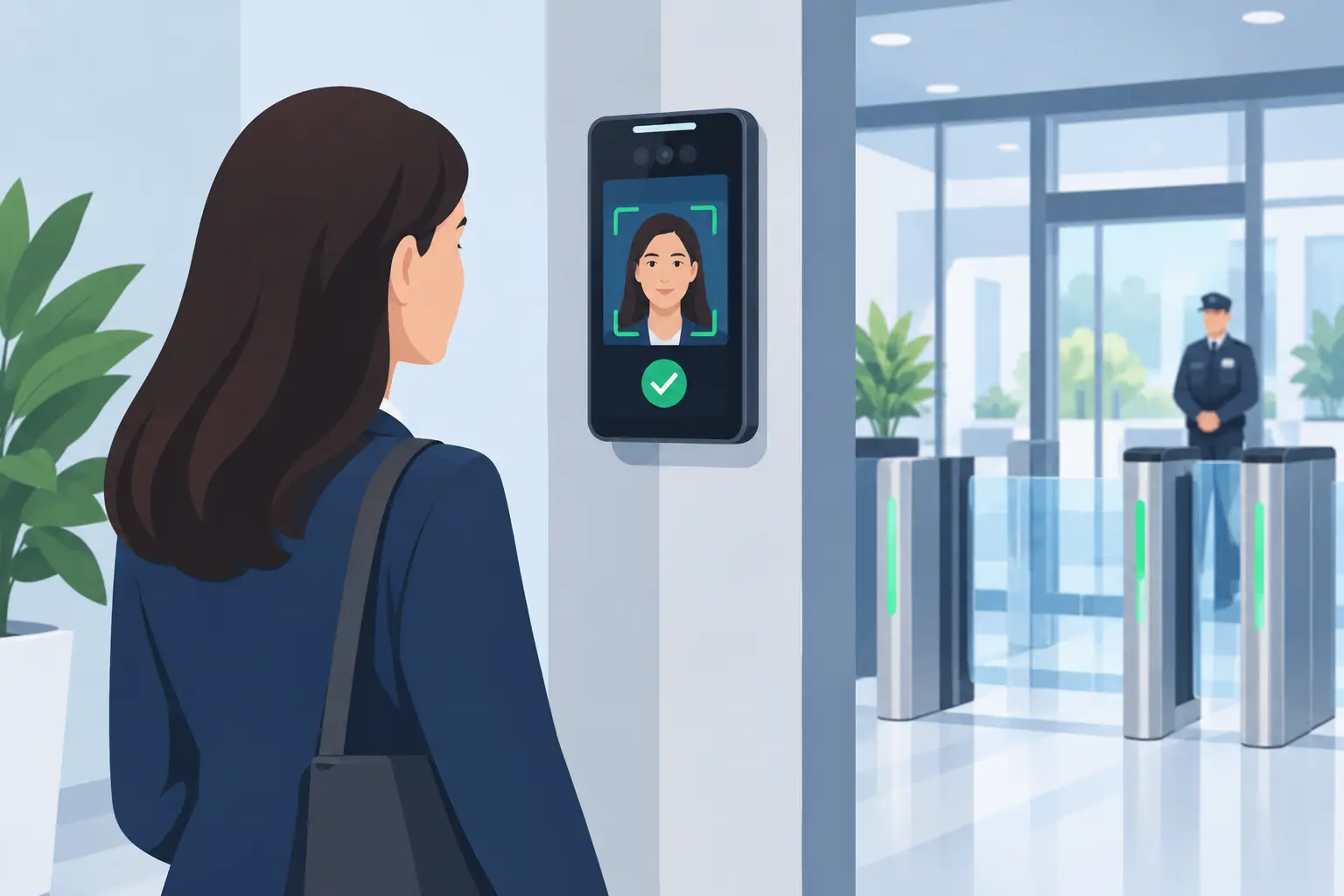
Security officers add value when their role is clearly defined before an incident occurs. Depending on the assignment, an officer may monitor entrances, observe suspicious behavior, maintain communication with management, assist with controlled evacuation after a threat has passed, and help preserve order while law enforcement responds. Their presence should support the branch environment, not interfere with customer service or normal banking activity.
A Bank Robbery Response Depends on Preparation
The strongest response begins long before an incident. A written plan is necessary, but it must also be practical enough for employees to recall under stress. If procedures are overly complicated, scattered across multiple documents, or rarely reviewed, they may not be followed when they matter most.
Leadership should establish who has authority to activate emergency notifications, communicate with law enforcement, contact corporate security, and make decisions about closing or reopening the location. Employees should understand the reporting path without having to guess who is in charge.
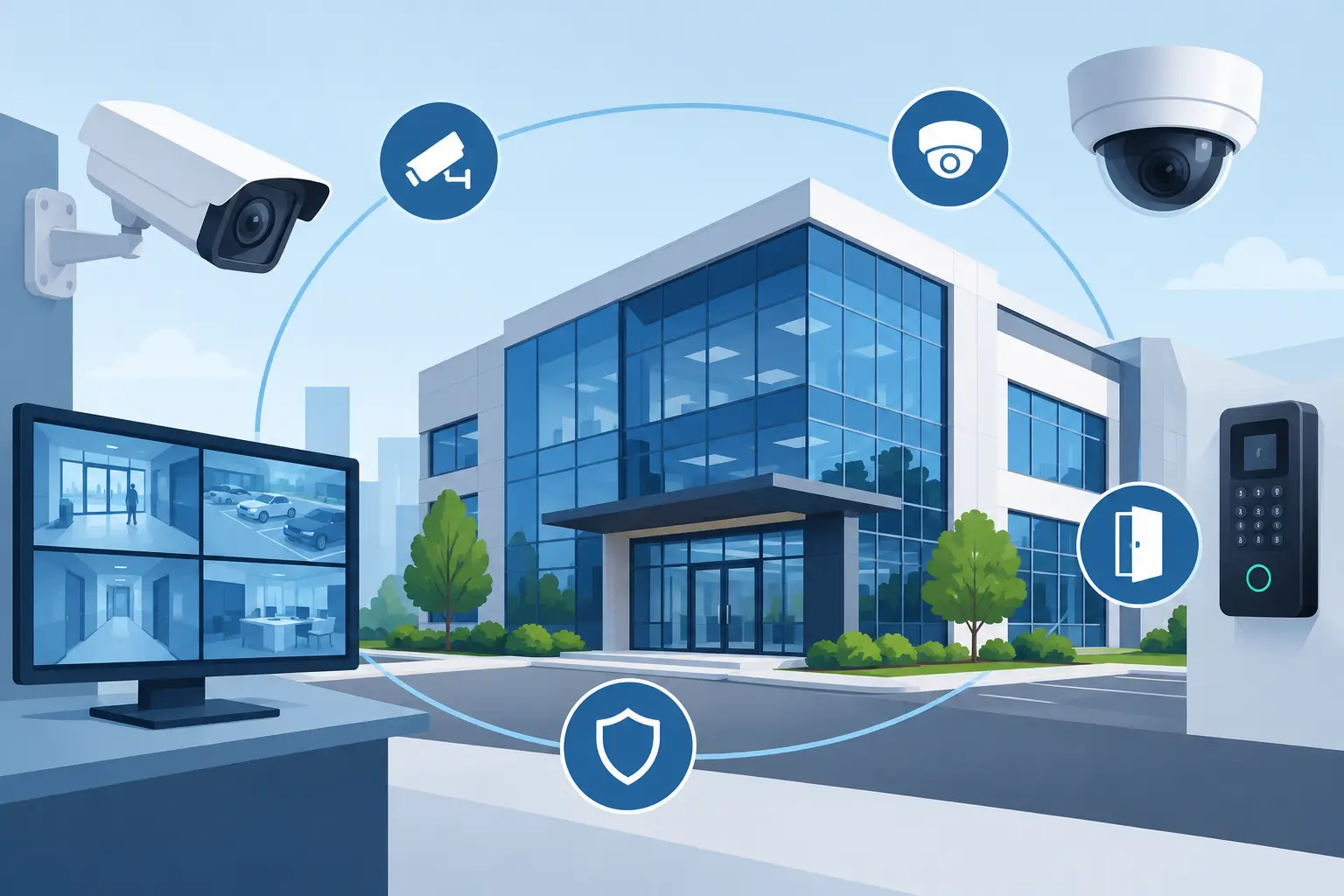
Preparation also means identifying operational details that can slow down a response. Are panic alarms tested and maintained? Can managers quickly access current emergency contacts? Do security cameras cover entrances, teller lines, ATM areas, and parking approaches? Is there a process for accounting for staff and customers after an incident?
These questions are not administrative extras. They affect how quickly an institution can stabilize the scene and provide law enforcement with useful information.
Train for Recognition, Not Heroics
Training should help employees recognize concerning behavior and report it through the proper channels. This can include repeated surveillance of the branch, attempts to access restricted areas, unusual interest in closing routines, suspicious packages, or conduct that makes staff believe a threat may be developing.
Recognition does not mean assuming criminal intent based on appearance. Effective training focuses on observable behavior, location-specific risk indicators, and prompt reporting. Employees should know how to share a concern with management or security without alarming customers or disrupting legitimate business.
Regular tabletop exercises are particularly useful. A short scenario discussion can reveal gaps in communication, clarify employee responsibilities, and reinforce expectations without requiring an elaborate drill. For multi-location institutions, exercises also help standardize response expectations across branches while allowing for site-specific differences.
What Happens After the Suspect Leaves
The period immediately following a robbery requires discipline. It is common for employees to feel shaken, confused, or eager to compare what they saw. However, the first actions taken after a suspect leaves can affect safety and the investigation.
Once the area is believed to be safe, designated personnel should notify emergency services and follow the institution’s emergency procedures. Staff should avoid pursuing the suspect or disturbing areas the individual may have touched, entered, or left behind. Doors, counters, notes, discarded items, and surveillance equipment may all have evidentiary value.
Employees should be separated from customers and from one another when practical until law enforcement can obtain independent observations. This is not about treating witnesses with suspicion. It helps prevent memories from being unintentionally influenced by someone else’s description.
Management should also account for everyone who was in the facility, document basic facts such as the time of the incident and available camera coverage, and ensure that access to the branch is controlled. A trained security officer can help establish a calm perimeter, direct customers away from restricted areas, and prevent well-intentioned staff from reentering the scene prematurely.
Protect Evidence and Information
Evidence preservation extends beyond the physical lobby. Institutions should protect surveillance footage, alarm records, access-control logs, communications records, and other relevant operational data according to internal policy and law enforcement direction.
The branch should also be careful with communications. Employees should not post incident details, suspect descriptions, images, or speculation on social media. Only authorized representatives should speak publicly on behalf of the institution. Early reports are often incomplete, and inaccurate information can compromise an investigation, create reputational concerns, or cause unnecessary fear among customers.
A clear communication plan should cover employees, customers, corporate leadership, vendors, and neighboring tenants when applicable. The message should be factual, respectful, and limited to confirmed information. It should also explain practical next steps, such as temporary closure, alternative service options, or when the location is expected to reopen.
Recovery Is an Operational and Human Responsibility
A branch may be physically secure after law enforcement clears the scene, but that does not automatically mean it is ready to resume normal operations. Leadership must consider employee well-being, staffing capacity, customer confidence, cash-handling procedures, and any instructions from investigators.
Some locations can reopen quickly with additional security coverage and clear communication. Others may need to close temporarily, particularly if the scene requires extended investigation or employees need time and support. The right decision depends on the seriousness of the incident, the condition of the facility, the availability of trained staff, and the institution’s continuity plan.
Employees who experienced the event may need access to counseling, time away from customer-facing duties, or a private opportunity to provide a statement. A professional response recognizes that visible injuries are not the only impact. Supporting staff after a traumatic event protects people and helps the organization recover with professionalism.
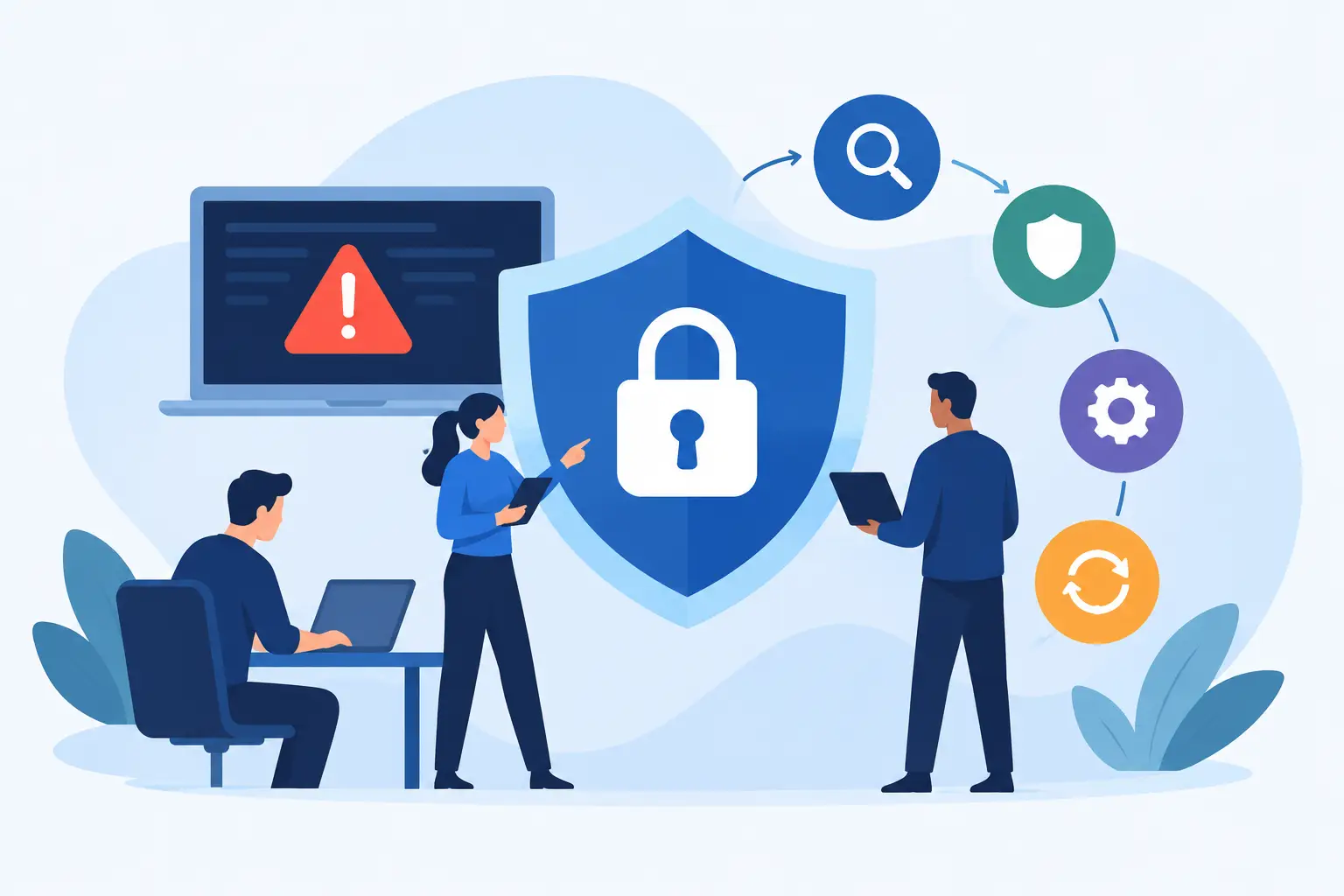
Security leaders should conduct an after-action review once the immediate response is complete. The purpose is not to assign blame. It is to identify what worked, where communication broke down, whether equipment performed as expected, and what changes would make the location safer going forward.
Building a Security Posture That Fits the Branch
There is no single bank robbery response model that fits every institution. A stand-alone branch, a credit union inside a shared commercial property, and a high-volume urban financial center each face different exposure, staffing, customer-flow, and access-control considerations.
Visible armed coverage may be appropriate for certain elevated-risk environments, while unarmed officers, mobile patrols, improved access control, or upgraded surveillance may be the better fit elsewhere. The decision should be based on a documented risk assessment, local crime conditions, branch layout, operating hours, cash exposure, and the institution’s service expectations.
The strongest programs combine people, procedures, and physical safeguards. Security officers need clear post orders. Employees need concise training. Managers need reliable escalation paths. Cameras, alarms, lighting, and access controls need routine testing. When these elements support one another, security becomes part of daily operations rather than an obstacle to them.
Springfield Private Security approaches financial-institution protection with that operational focus: customized coverage, disciplined personnel, and response planning that protects people while supporting continuity of business.
A prepared branch does not promise that an incident will never occur. It gives employees and customers something more practical: the confidence that, if a crisis happens, the people responsible for their safety know what to do next.