A gate alarm trips at 2:13 a.m. at a commercial property. The building is closed, no manager is on site, and every minute between the alert and an on-scene security presence matters. That is where the question comes up fast: what is a rapid response vehicle, and why do so many businesses build it into their security plan?
A rapid response vehicle is a security patrol unit assigned to reach a site quickly when an alarm, disturbance, suspicious activity report, or other incident requires immediate attention. In private security, it is typically operated by a trained security professional who can assess the situation, secure the area, document what happened, coordinate with property contacts, and escalate to law enforcement or emergency services if needed.
For business owners, property managers, and operations teams, the value is simple. A rapid response vehicle helps close the gap between detection and action. Instead of relying only on cameras, alarms, or after-the-fact reports, you have a mobile security resource ready to respond in real time.
What is a rapid response vehicle in private security?
In practical terms, a rapid response vehicle is a marked or discreet security vehicle deployed to investigate incidents across one property, a group of sites, or a patrol zone. It is part of a mobile security operation designed for speed, visibility, and field decision-making.
Unlike a static guard post, the vehicle is not tied to one entry point or desk. It allows an officer to move between locations, cover larger footprints, and reach problem areas that may be out of view from fixed security positions. Depending on the assignment, the officer may handle alarm response, lock and unlock services, after-hours checks, perimeter patrols, suspicious person investigations, and emergency support.
This matters most in environments where incidents are unpredictable. Office parks, industrial sites, retail centers, schools, construction projects, healthcare facilities, and event venues often need more than passive monitoring. They need a trained person who can arrive, verify conditions, and take action without slowing down daily operations.
How a rapid response vehicle actually works
The operating model is straightforward, but the details make the difference. A rapid response unit is usually positioned to serve a specific geography or client portfolio, which shortens travel time when a call comes in. When an alarm activates or a client requests immediate assistance, dispatch sends the officer to the location.
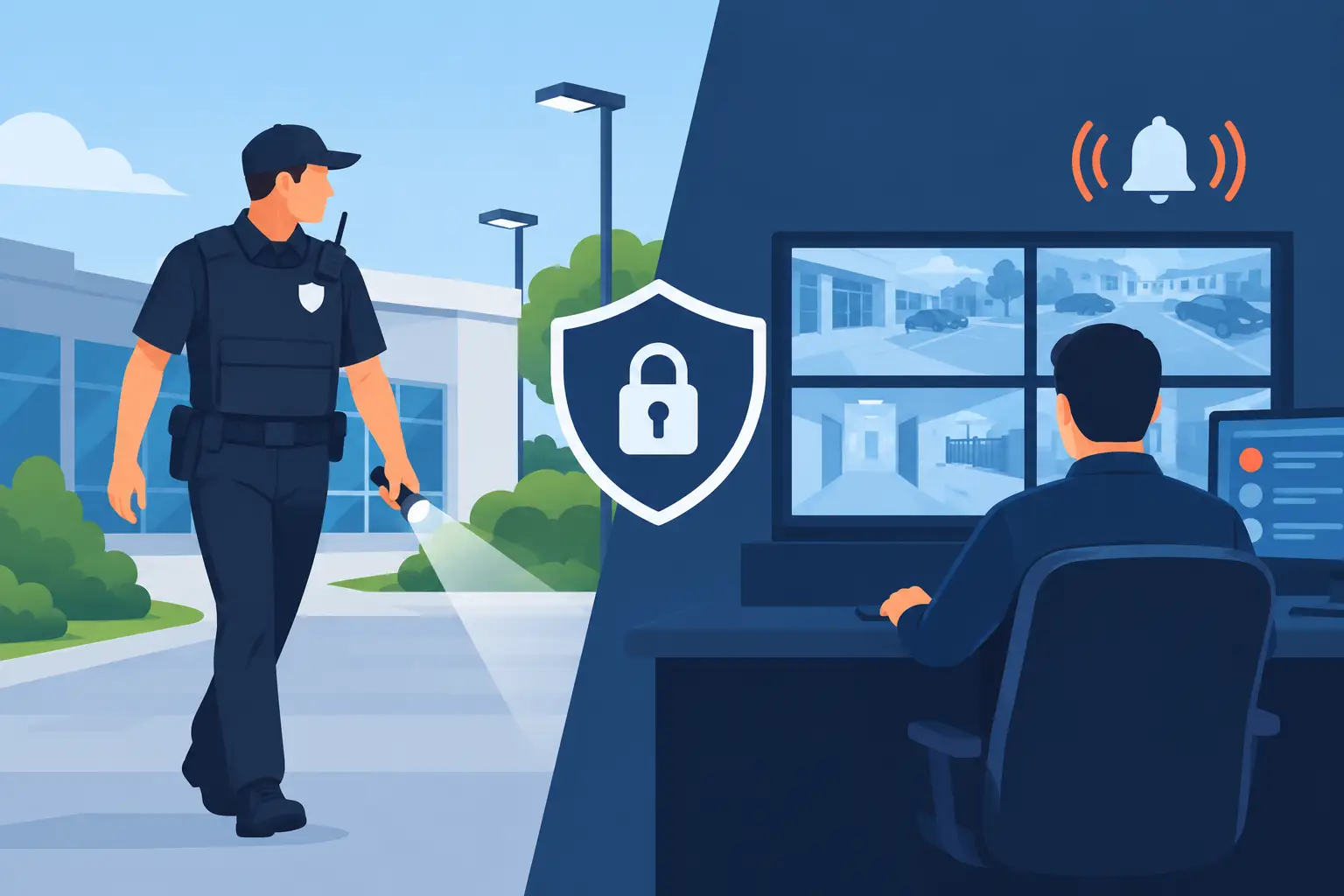
Once on site, the officer does more than simply drive by. The response typically includes checking access points, looking for signs of forced entry, identifying safety hazards, making contact with authorized personnel if needed, and documenting findings. If the incident involves a crime in progress, medical emergency, fire risk, or credible threat, the officer coordinates with first responders according to site protocols.
That distinction is important. A rapid response vehicle is not just transportation. It is a mobile incident response platform staffed by someone expected to make sound judgments under time pressure.
The exact scope depends on the post orders and the client’s risk profile. Some clients need a highly visible patrol presence to deter theft, trespassing, or vandalism. Others need a lower-profile unit that can respond to employee concerns, access issues, or alarm activations without creating unnecessary disruption.
What a rapid response officer is equipped to do
A capable rapid response program depends on trained personnel, not just a vehicle with a logo on the door. The officer behind the wheel must understand observation, reporting, de-escalation, site access procedures, and when to escalate an issue.
In many cases, the vehicle carries communication equipment, incident reporting tools, flashlights, first aid supplies, and other gear appropriate to the assignment. The more sensitive the environment, the more important it is that the officer knows the property’s layout, contact tree, after-hours procedures, and business priorities.
That last point often gets overlooked. A warehouse, a bank, a medical office, and a corporate campus do not define risk the same way. The right response is shaped by what has happened, what could happen next, and what the client needs to protect – people, property, reputation, continuity, or all four.
Where rapid response vehicles fit into a larger security plan
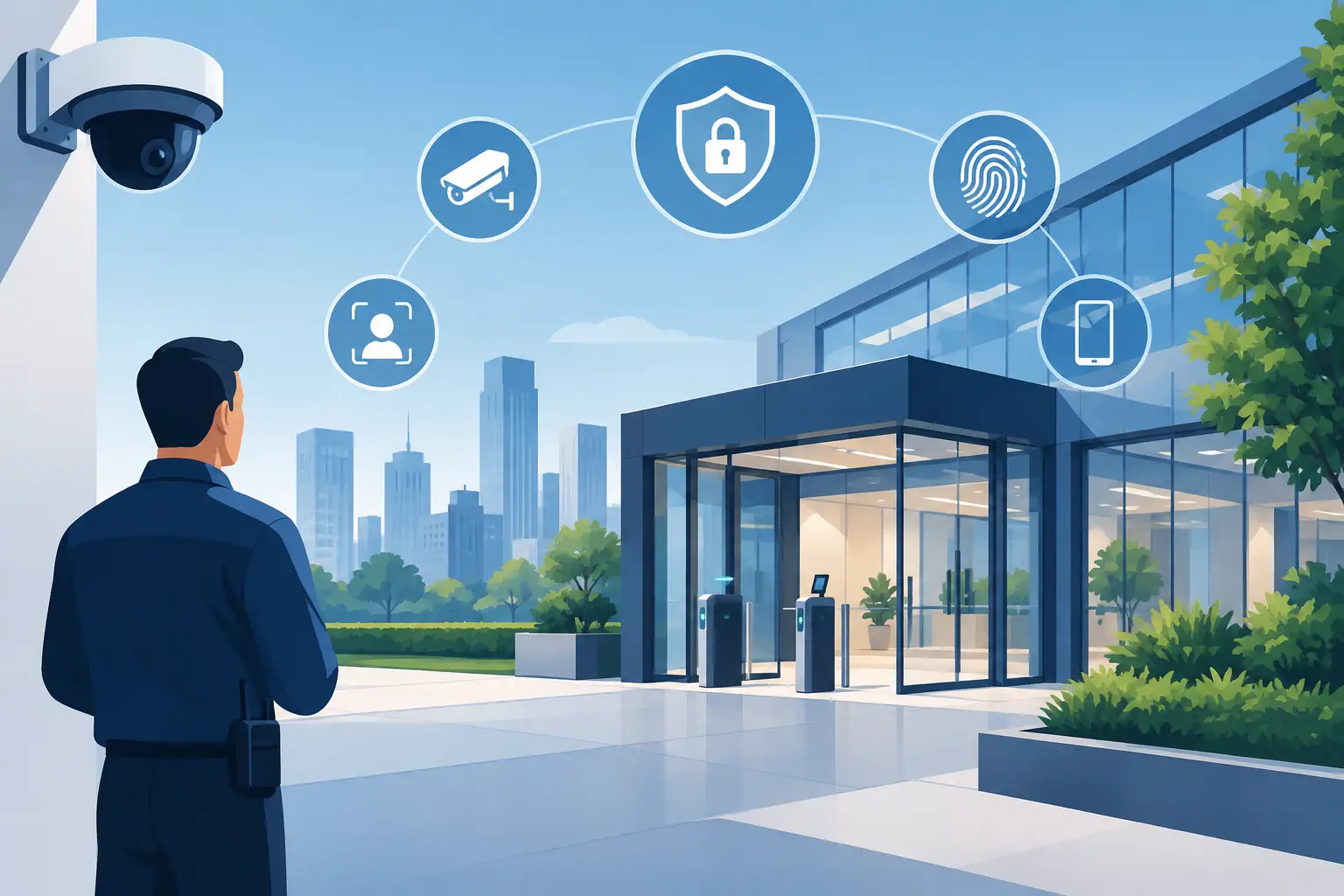
A rapid response vehicle works best as part of a broader security strategy. It is not always a replacement for on-site officers, and it is not a cure-all for weak access control or poor lighting. It is one layer in a system that may also include static guards, cameras, intrusion alarms, visitor management, mobile patrols, and emergency procedures.
For some locations, a rapid response vehicle is the right primary solution. A small commercial site that is closed overnight may not need a full-time overnight guard, but it may need reliable alarm response and periodic patrol coverage. For larger or higher-risk sites, rapid response units often support on-site teams by providing backup, perimeter checks, or surge coverage during incidents.
This is where business alignment matters. Security should protect operations without getting in the way of them. A well-run rapid response program gives leadership confidence that if something happens after hours, during a shift change, or across multiple sites, there is a defined response in place.
When businesses benefit most from rapid response coverage
The strongest use case is usually speed plus unpredictability. If your property is vulnerable outside normal business hours, if you manage multiple locations, or if your team cannot personally respond every time an issue comes up, a rapid response vehicle can reduce both delay and uncertainty.
Retail properties use them to address loitering, suspicious activity, and alarm calls. Industrial and logistics sites use them for gate checks, perimeter patrols, and after-hours disturbances. Office buildings use them to verify alarms, support tenants, and deter unauthorized access. Event organizers may use them to address fast-moving issues at parking areas, loading zones, or venue perimeters.
There is also a liability and continuity component. A fast, professional response can contain minor incidents before they become expensive ones. The difference between a trespassing call handled promptly and one ignored for an hour can affect safety, property damage, insurance exposure, and tenant confidence.
What a rapid response vehicle is not
It helps to be clear about limits. A rapid response vehicle is not law enforcement, and it should not be marketed or used as a substitute for police, fire, or EMS. Its role is private security response within the authority, training, and site procedures established for the assignment.
It is also not ideal for every property by itself. If a site has frequent internal issues, constant public traffic, or a need for dedicated access control, a stationed officer may be the better fit. Similarly, if your property layout is complex or your threat profile is elevated, relying only on a vehicle that services multiple accounts may leave coverage gaps.
That is why security planning should start with the environment, the risks, and the operational demands – not with a one-size-fits-all package.
What to look for in a rapid response security provider
If you are evaluating service, response time claims deserve close attention. Fast on paper does not always mean effective in the field. Ask how the provider staffs patrol zones, how dispatch works, what the escalation process looks like, and how incidents are documented.
You should also look at training, communication standards, and familiarity with your type of property. A provider that understands commercial operations will respond differently than one built around generic patrol routes. The best programs are customized, with post orders that reflect your hours, access points, emergency contacts, and known vulnerabilities.
Professionalism matters just as much as speed. The officer who arrives on site may represent your organization to tenants, employees, visitors, or emergency responders. You want a team that is disciplined, clear under pressure, and able to protect the site without creating unnecessary friction. That is one reason many clients prefer experienced, service-driven firms such as Springfield Private Security for response work tied closely to business continuity.
Why the answer matters for decision-makers
When someone asks what is a rapid response vehicle, they are usually not asking for a dictionary definition. They are trying to understand whether this service will reduce risk, improve after-hours coverage, and give them a dependable response when something goes wrong.
For the right environment, the answer is yes. A rapid response vehicle gives your organization a mobile, professional security presence that can move quickly, assess conditions, and act within a clear plan. It brings speed where fixed systems cannot, and flexibility where full-time on-site coverage may not make sense.
If your operations depend on staying open, staying safe, and keeping incidents from escalating after hours, the better question may be whether your current security plan can afford not to have that response capability in place.