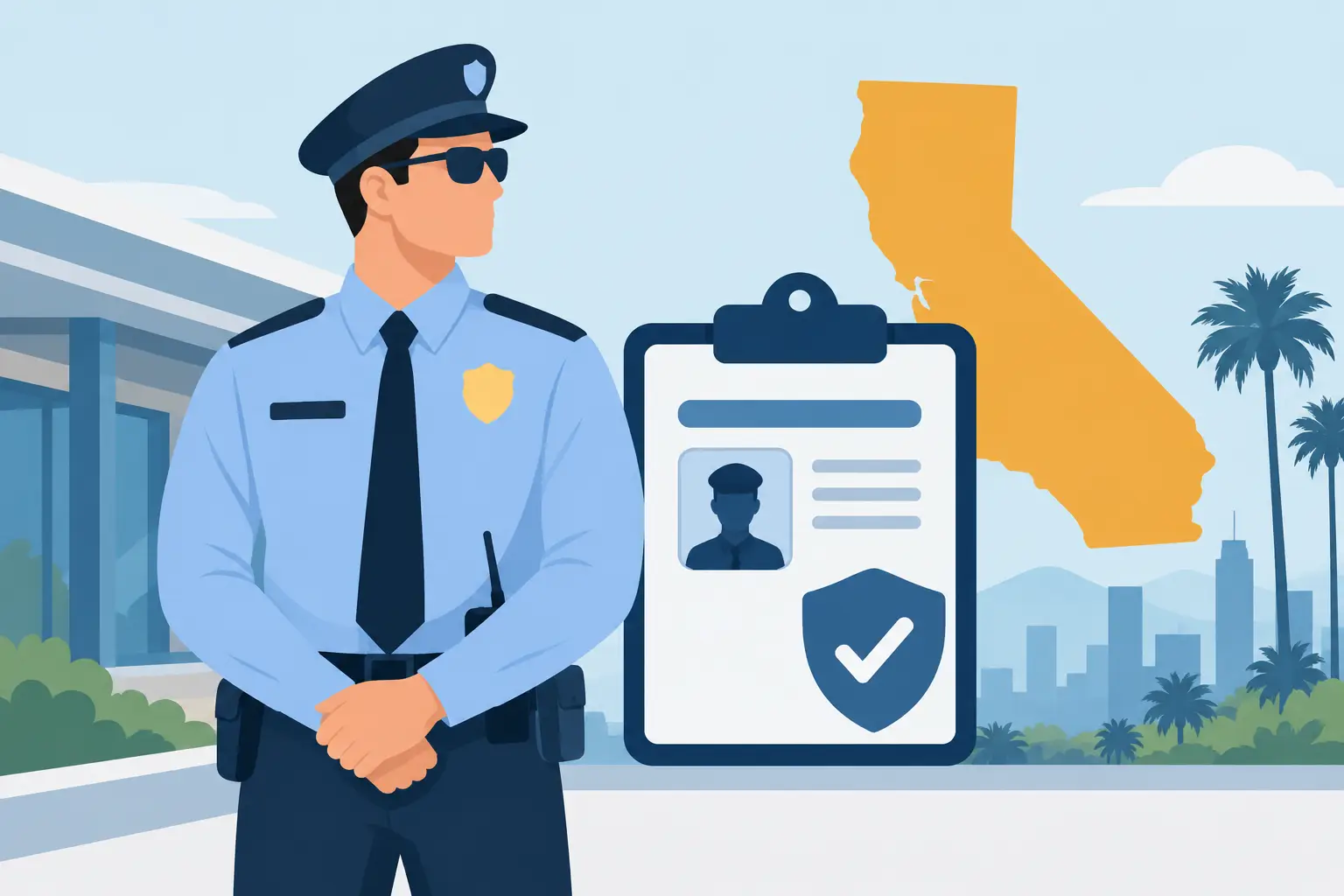
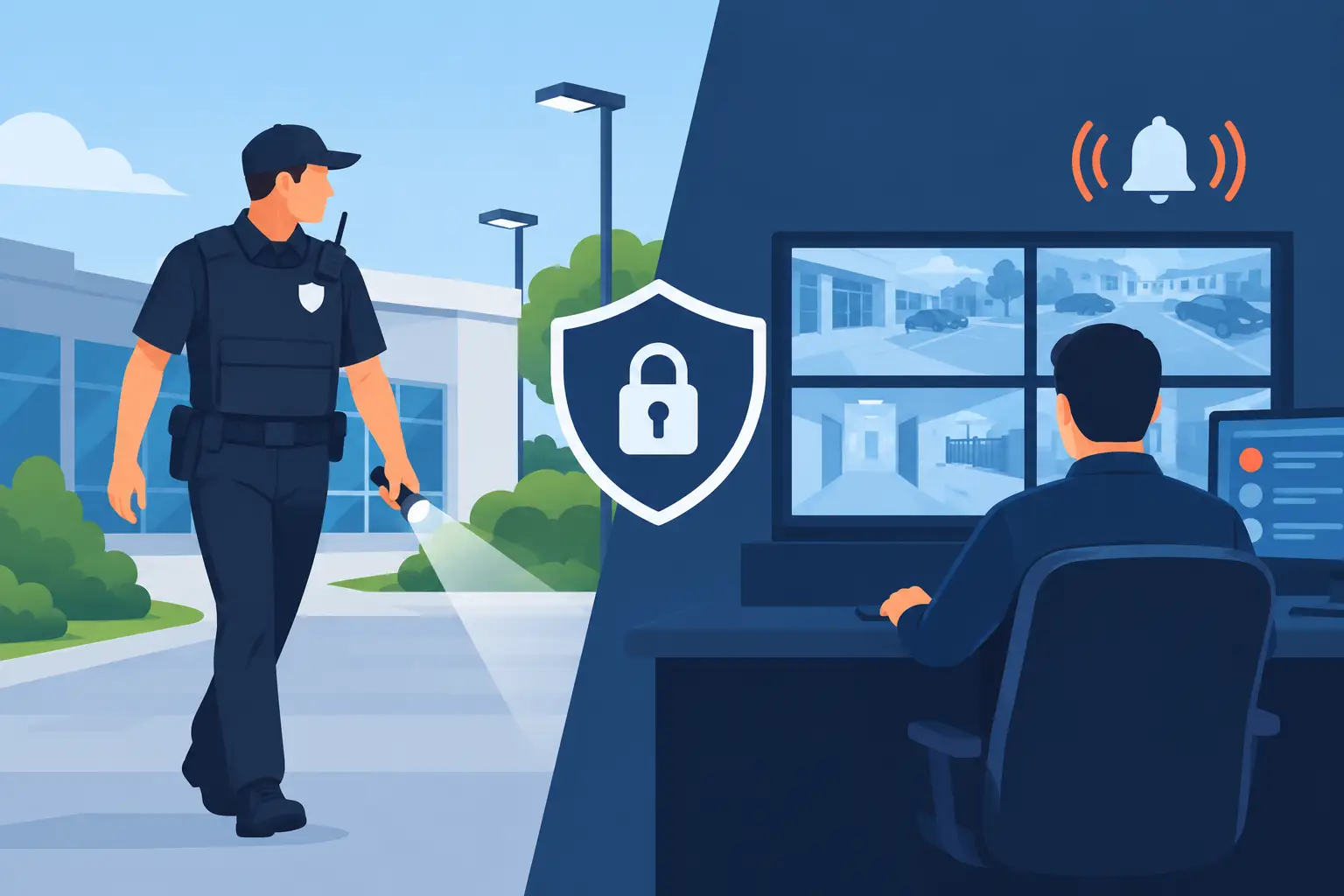
A bank branch can look calm right up to the moment something goes wrong. A suspicious person lingers near the entrance. An agitated customer escalates at the teller line. A cash delivery creates a brief but serious vulnerability. In those moments, bank security guard services are not just about having a visible presence. They are about protecting people, controlling risk, and keeping the branch operating without unnecessary disruption.
For banks, credit unions, and financial institutions, security has to do two jobs at once. It must deter obvious threats, and it must support normal business activity. If security is too passive, gaps open up. If it is too aggressive, customers and staff feel tension immediately. The right solution sits in the middle – disciplined, alert, professional, and aligned with how the branch actually functions.
Why bank security guard services require a different standard
Bank environments are not like general retail or standard office properties. They involve cash handling, sensitive customer information, restricted-access areas, and predictable public traffic. That combination creates a different threat profile.
Some risks are external, such as robbery attempts, suspicious surveillance, trespassing, or targeted theft. Others come from inside the operating environment, including unauthorized access, disorderly conduct, or breakdowns in visitor control. Many incidents never become major crimes, but they still create liability, interrupt service, and place employees in uncomfortable or unsafe positions.
That is why bank security guard services should be designed around prevention first. A trained officer at the right post can reduce opportunity, discourage bad decisions, and identify warning signs before an incident develops. The value is not limited to emergency response. In many cases, the real return comes from incidents that never happen because the branch is visibly prepared.
What effective bank security guard services include
A strong bank security program starts with officer presence, but it should not end there. Visible deterrence matters because people assess risk quickly. When a professional officer is positioned at the entry point or in the lobby, the branch signals control. Customers feel reassured, and individuals considering theft, intimidation, or disorder know they are being watched.
Access control is another core function. Banks deal with a steady flow of customers, contractors, vendors, and delivery personnel. Not everyone should move freely through the space. Security officers help manage entry points, monitor restricted areas, and support branch procedures for after-hours access, opening, and closing.
Observation and reporting are just as important as physical presence. An experienced officer notices behavior patterns, not just obvious incidents. That could mean identifying someone conducting surveillance, recognizing escalating body language in a customer dispute, or documenting repeated loitering near ATMs or parking areas. Clear reporting gives management a record of what happened, how it was handled, and whether additional changes are needed.
In some settings, officers also support cash movement protocols, alarm response coordination, emergency evacuations, and law enforcement interface. The exact scope depends on the branch, its hours, location, and risk level. A downtown branch with heavy public traffic may need a different posture than a suburban location with limited foot traffic and predictable customer flow.
Armed or unarmed officers – the right answer depends on the site
One of the first questions decision-makers ask is whether armed coverage is necessary. There is no universal answer. The decision depends on local crime trends, branch layout, prior incidents, cash exposure, operating hours, and corporate policy.
Armed officers can be appropriate for higher-risk environments where the threat profile justifies that level of response. This may include locations with elevated robbery risk, large cash volumes, or a history of violent incidents nearby. Their presence can increase deterrence, but only if those officers are properly trained, licensed, and managed to a high standard.
Unarmed officers are often the better fit when the goal is strong visibility, customer-facing professionalism, access control, and de-escalation without increasing the perceived tension in the branch. In many financial settings, an unarmed officer with strong situational awareness and communication skills can deliver exactly what the branch needs.
The trade-off is not simply force versus no force. It is about matching officer capability to operational reality. Over-securing a low-risk branch can create friction. Under-securing a vulnerable location can leave staff exposed. The right provider should assess the environment honestly rather than push a one-size-fits-all model.
The officer’s role in customer and staff safety
Bank security is often evaluated based on worst-case scenarios, but day-to-day interactions matter just as much. Officers are frequently the first people to notice when a customer is distressed, confused, angry, or behaving unpredictably. How they respond affects safety, service, and reputation.
A capable bank officer understands how to be present without becoming intrusive. That means greeting appropriately, maintaining awareness of the room, positioning for visibility, and stepping in early when tensions start to rise. In practice, many useful interventions are low drama. A calm verbal redirection, a respectful boundary, or a timely presence near a developing conflict can prevent escalation.
Staff benefit from that support. Tellers and branch managers should not have to choose between serving customers and managing a disruptive individual alone. Security officers create a layer of operational confidence. Employees can stay focused on their roles while knowing there is a trained professional monitoring the environment.
Why site-specific planning matters
No two bank locations operate exactly the same way. Layout, staffing levels, customer volume, neighborhood conditions, parking design, ATM placement, and surrounding businesses all affect risk. Effective coverage starts with a site assessment, not a staffing schedule.
That assessment should review entry and exit points, sightlines, peak traffic patterns, known vulnerabilities, emergency procedures, and coordination expectations with branch leadership. It should also account for opening and closing routines, because those periods can carry elevated exposure.
This is where experienced providers stand apart. They do not just assign a guard and call the job done. They build post orders that fit the branch, define reporting protocols, and make sure officers understand both security responsibilities and the client’s service expectations. Springfield Private Security approaches bank protection that way – as an operational function tied to safety, continuity, and professional client service.
Training and professionalism are not optional
In bank environments, the officer’s judgment matters as much as visibility. A uniform alone does not improve security if the person wearing it lacks discipline, awareness, or communication skills.
Banks should expect officers to be trained in de-escalation, access control, incident documentation, emergency response, and professional public interaction. Depending on the assignment, training may also need to cover use of force standards, suspicious activity recognition, cash escort procedures, and coordination with law enforcement or branch management.
Professionalism shows up in smaller details too. Officers should arrive on time, maintain a sharp appearance, follow post orders, communicate clearly, and document incidents accurately. Those basics sound simple, but they directly affect client trust. In a financial institution, inconsistency stands out quickly.
Management oversight also matters. Even a strong officer program can drift if there is poor supervision, weak reporting, or limited responsiveness from the provider. Decision-makers should look for a security partner that treats accountability as part of the service, not as an afterthought.
How to evaluate bank security guard services
When comparing providers, cost should not be the only lens. Lower rates can reflect lower training standards, weaker supervision, or staffing instability. That may save money on paper while increasing operational risk in practice.
A better approach is to evaluate whether the provider understands banking operations and can tailor coverage to the site. Ask how officers are selected for financial environments, how incidents are reported, how supervisors check quality, and how emergency coverage is handled when staffing issues arise. A reliable security partner should be able to answer those questions directly.
It is also worth asking how the provider balances security with customer experience. In a bank, officers must protect the branch without making the space feel hostile or disorganized. That balance is not accidental. It comes from training, clear expectations, and operational discipline.
The best bank security guard services do more than stand watch. They support branch confidence, reinforce procedure, and help maintain normal operations under pressure. For banks and credit unions, that kind of protection is not a background detail. It is part of running a secure, trustworthy institution.
When security is planned well, customers notice professionalism, staff feel supported, and risks are addressed before they turn into interruptions. That is the standard worth expecting.