A corporate event can change character in minutes. A registration line becomes congested, an uncredentialed person reaches a restricted floor, a disruptive guest refuses to leave, or a medical emergency interrupts a keynote. Leaders planning how to secure corporate events need more than a visible guard at the door. They need a security plan that protects people and property while allowing the event to run on schedule.
The right approach is proportionate to the event, venue, audience, and business objective. A board meeting with executive attendees requires a different posture than a product launch, investor conference, employee celebration, or multi-day convention. Effective event security starts with a clear assessment of risk and ends with a coordinated response plan that staff, vendors, and security personnel can execute without confusion.
Start With a Risk Assessment, Not a Staffing Number
The question is not simply how many officers an event needs. Start by identifying what needs protection, who may be affected, and where control can break down. Review the venue layout, entrances, parking areas, loading docks, registration points, emergency exits, backstage spaces, and any areas reserved for executives, speakers, or sensitive equipment.
Consider the event profile as well. Public-facing events, gatherings involving controversial subjects, high-value product displays, alcohol service, large cash transactions, or prominent attendees can increase exposure. Past incidents at the venue, local conditions, nearby demonstrations, and the expected size of the crowd should also inform planning.
A useful assessment accounts for operational consequences, not only worst-case threats. For example, a single blocked entry can create long lines, frustrate guests, and encourage people to bypass the intended screening point. A security measure that appears strong on paper but slows registration may create a new problem. The goal is controlled access and timely movement, not unnecessary friction.
Build Security Into the Event Plan Early
Security is most effective when included during venue selection and event design. Bringing a security partner in after invitations have gone out limits options for traffic flow, access points, credentialing, and emergency staging. Early planning allows the event team to make practical decisions before they become expensive changes.
Define Roles and Decision Authority
Every event should identify who has authority to make security decisions. The event organizer manages the program, but security personnel need a designated client representative who can approve access exceptions, address guest concerns, and make rapid decisions if the schedule changes.
Clarify responsibilities with venue management, catering, audiovisual teams, transportation providers, and any outside vendors. Each group should know who reports suspicious activity, who controls keys or access cards, who handles lost property, and who contacts emergency services. Unclear handoffs are a common source of preventable incidents.
Establish a Clear Access-Control Plan
Access control is the foundation of most corporate event security plans. Determine which doors will be used for guests, staff, vendors, speakers, and deliveries. Limit access points where possible, but do not create bottlenecks that leave attendees waiting outside or crowding a lobby.
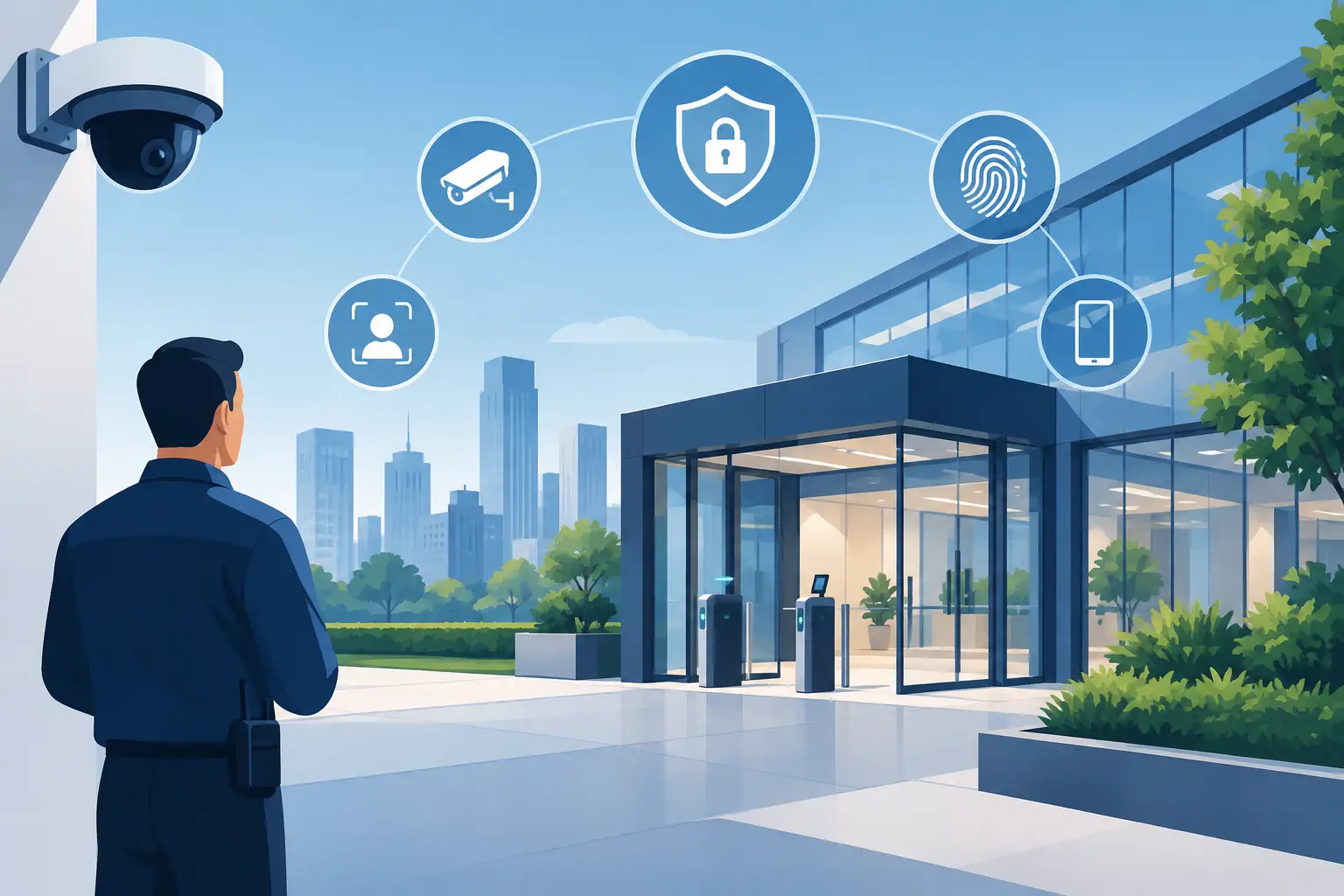
Credentials should match the level of access needed. A general attendee badge does not need to grant entry to a green room, command center, executive suite, or equipment storage area. For smaller events, a printed guest list and staffed entry point may be enough. For larger or higher-profile events, consider color-coded badges, electronic credential verification, controlled elevator access, and a separate check-in process for vendors.
Security officers should be briefed on the difference between a guest who needs assistance and a person attempting to gain unauthorized access. Professional presence matters. Officers who are alert, courteous, and clear about the process protect the event without making legitimate guests feel unwelcome.
Use the Right Mix of Visible and Discreet Coverage
The best security posture depends on the event. Visible officers can deter unwanted behavior, provide reassurance, and give attendees an obvious point of contact. Discreet personnel may be more appropriate around executive meetings, sensitive negotiations, or upscale client gatherings where a heavy appearance would conflict with the event environment.
Coverage should extend beyond the main room. Parking areas, rideshare pickup zones, service entrances, hallways, restrooms near restricted spaces, and loading areas often receive less attention than the registration desk. They can also be the places where access control is weakest.
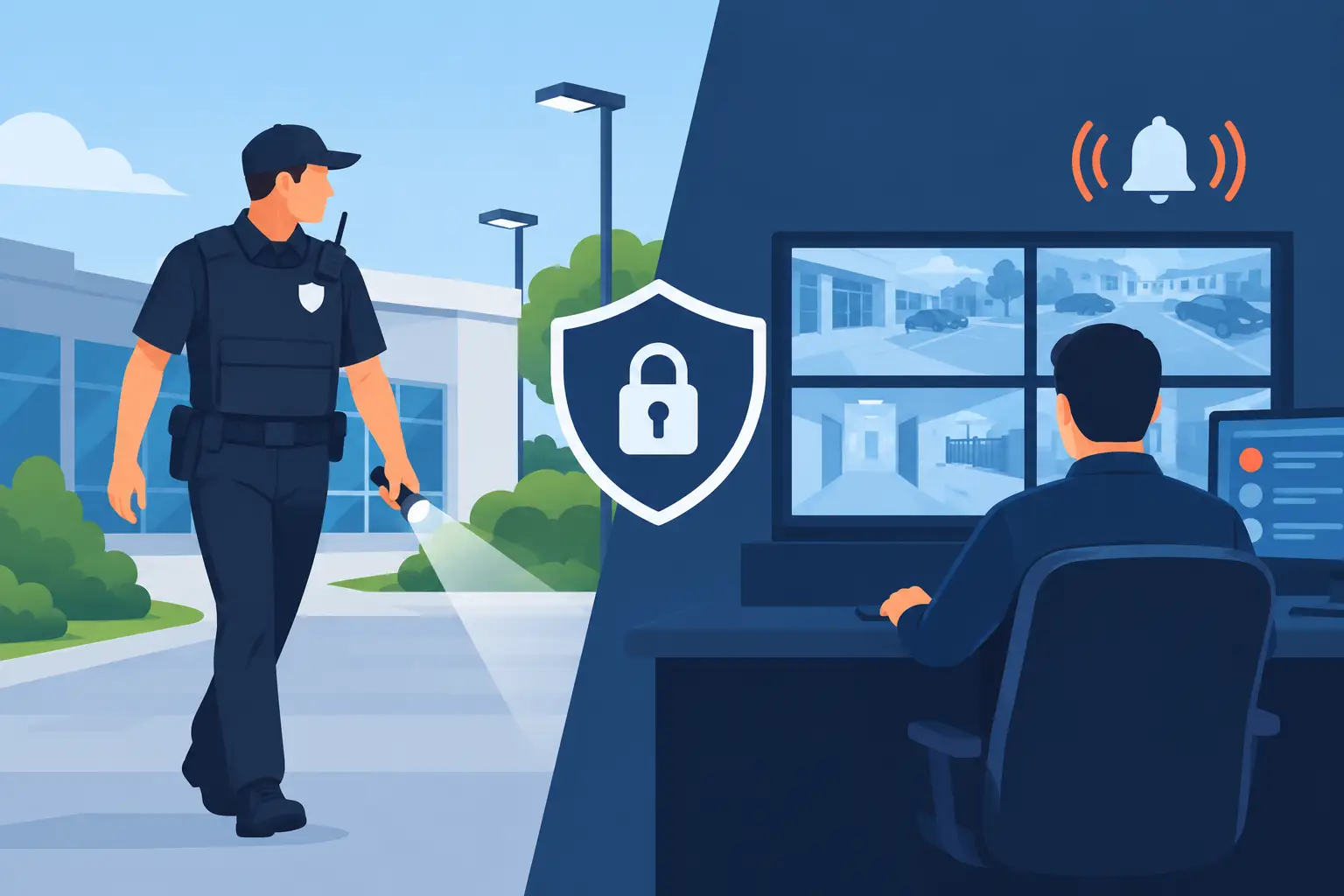
A professional security team should be positioned based on duties, not simply stationed where they are easiest to see. One officer may manage the entrance and credentials, another may conduct interior patrols, and another may oversee the perimeter or coordinate with venue personnel. For complex events, a supervisor should maintain communications, document incidents, and adjust assignments as conditions change.
Plan for Emergencies Before the Doors Open
Security coverage is not only about preventing unauthorized entry. It is also about making fast, disciplined decisions when something goes wrong. A written emergency plan should address medical incidents, fire alarms, evacuation, severe weather, disruptive behavior, suspicious packages, missing persons, and active threats.
The plan must be specific to the venue. Identify emergency exits, assembly areas, first-aid resources, fire extinguishers, AED locations, and the best routes for police, fire, or EMS to reach the site. Confirm whether venue staff will make announcements, who can stop the program, and how security personnel will communicate with one another if cellular service is unreliable.
Not every incident requires an evacuation or law enforcement response. A skilled security officer can often resolve a guest dispute, remove an intoxicated attendee, or redirect someone who has entered the wrong area before the issue escalates. But the threshold for calling emergency services should be clear. Delayed escalation can turn a manageable situation into a serious liability event.
Brief Staff and Vendors on What to Report
Event staff do not need extensive security training, but they should know what to do when they see a problem. Before opening, give key personnel a short briefing on emergency contacts, restricted areas, suspicious behavior, and the location of security officers.
Ask staff to report facts rather than make assumptions. A clear report such as, “A person without a badge is trying to enter the speaker holding area,” allows security to respond quickly. Vague reports or informal group messages can delay action and create unnecessary alarm.
Protect Executive, Speaker, and Sensitive Information Areas
Corporate events frequently involve people and materials that require added protection. Executives, keynote speakers, investors, and high-profile guests may need managed arrival and departure routes, secure holding areas, and an officer assigned to coordinate movement. The appropriate level of personal protection depends on the individual’s profile, the event’s visibility, and any known concerns.
Information security also has a physical side. Registration lists, attendee badges, presentation materials, prototypes, laptops, and confidential documents should not be left unattended in public spaces. Control access to production offices and backstage rooms, especially when vendors and temporary staff are moving through the venue.
For events where proprietary information or financial discussions are involved, security planning should include clean-up procedures at the end of the day. Secure printed materials, remove credentials from unused tables, verify that equipment is accounted for, and ensure restricted rooms are locked before staff leave.
Maintain Communications and Document Incidents
Security personnel need reliable communications and a defined reporting chain. Radios may be appropriate for large venues or multi-site events, while smaller gatherings may function with dedicated phone contacts and regular check-ins. The method matters less than ensuring messages reach the right person without broadcasting sensitive details to everyone involved.
Documenting incidents protects the organization after the event. Reports should record the time, location, people involved, observed behavior, actions taken, witnesses, and any law enforcement or medical response. Good documentation is factual and timely. It helps leadership evaluate what happened, address follow-up needs, and improve future event planning.
How to Secure Corporate Events Without Overcorrecting
More security is not always better security. Excessive screening, poorly placed officers, or inconsistent rules can undermine the guest experience and create operational delays. The correct level of coverage depends on the risk assessment, not on a standard package or a reaction to isolated concerns.
For a routine internal meeting, a controlled entrance, visitor verification, and a trained officer may be sufficient. A large public event with high-profile speakers may require layered access control, patrols, parking coverage, a command function, and pre-event coordination with venue and emergency personnel. A qualified security provider can help match resources to the actual exposure.
A well-secured corporate event should feel organized, not intimidating. Guests should know where to go, staff should know who to call, and leadership should have confidence that trained professionals are watching the details. That preparation gives the event team room to focus on the purpose of the gathering while security remains ready to act when it matters.