A property manager dealing with repeat trespassing has a different security problem than a bank branch handling cash movement or a company executive facing a credible threat. That is where the difference between armed and unarmed security guard services becomes more than a pricing question. It affects deterrence, liability, customer experience, escalation protocols, and the level of risk your operation is prepared to manage.
For business owners and operations leaders, the right choice is rarely about appearances. It is about matching the security posture to the environment. An armed post can project a higher level of force readiness, while an unarmed post may be the better fit for customer-facing settings where visibility, access control, and de-escalation matter more than lethal response capability.
What is the difference between armed and unarmed security guard services?
The most obvious distinction is whether the officer is authorized to carry a firearm while on duty. But in practice, the difference between armed and unarmed security guard roles runs deeper. It includes training standards, assignment types, response expectations, insurance considerations, and the level of threat the client needs to address.
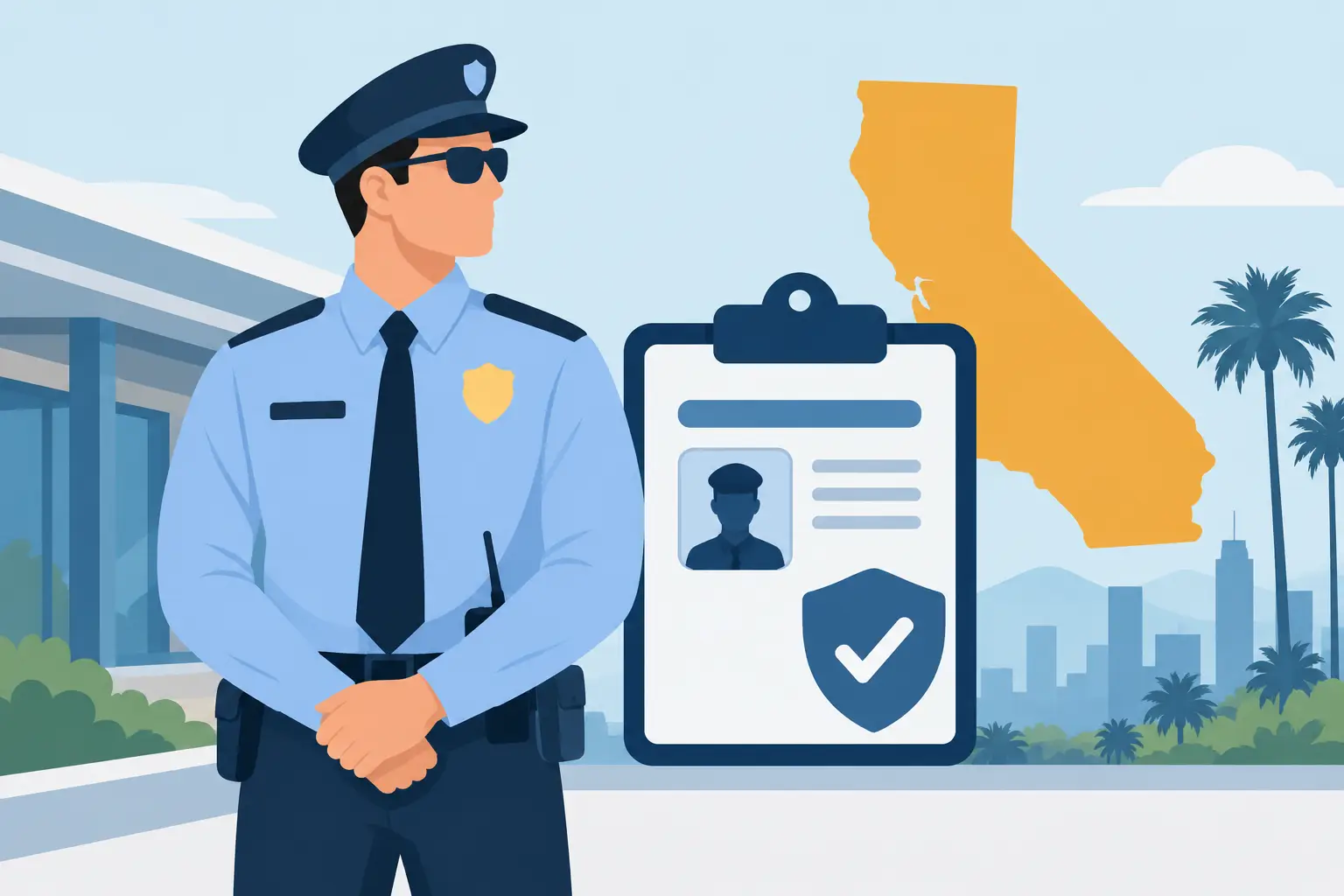
An armed security officer is typically assigned to environments with elevated risk. These may include financial institutions, critical infrastructure, high-value assets, executive protection details, certain late-night operations, or locations with a documented history of violent incidents. The firearm is not the service itself. It is one component of a broader protective role that also demands judgment, restraint, reporting discipline, and the ability to respond under pressure.
An unarmed security officer is often the right fit for commercial properties, residential communities, front desk coverage, schools, healthcare waiting areas, retail sites, construction access points, and events where the goal is to maintain order, monitor activity, enforce site rules, and address issues early. In many of these settings, presence, professionalism, and quick communication are more valuable than a weapon.
When armed security makes sense
Armed security is best reserved for situations where the threat profile justifies it. That usually means there is a realistic possibility of violent confrontation, a need to protect highly valuable assets, or a duty to secure people or locations that could be targeted.
For example, if a facility stores controlled materials, processes large cash volumes, or operates in a location with repeated violent crime, an armed officer may be appropriate. The same can apply to executive protection, high-risk terminations, after-hours patrol of exposed industrial sites, or events with a credible threat assessment that indicates an elevated risk of harm.
That said, armed coverage is not automatically better coverage. It introduces higher stakes. The officer must meet stricter licensing and training requirements, and the client must consider how an armed presence affects staff comfort, visitor perception, and legal exposure. In some environments, a firearm may strengthen deterrence. In others, it can create tension or conflict with the culture of the site.
When unarmed security is the better fit
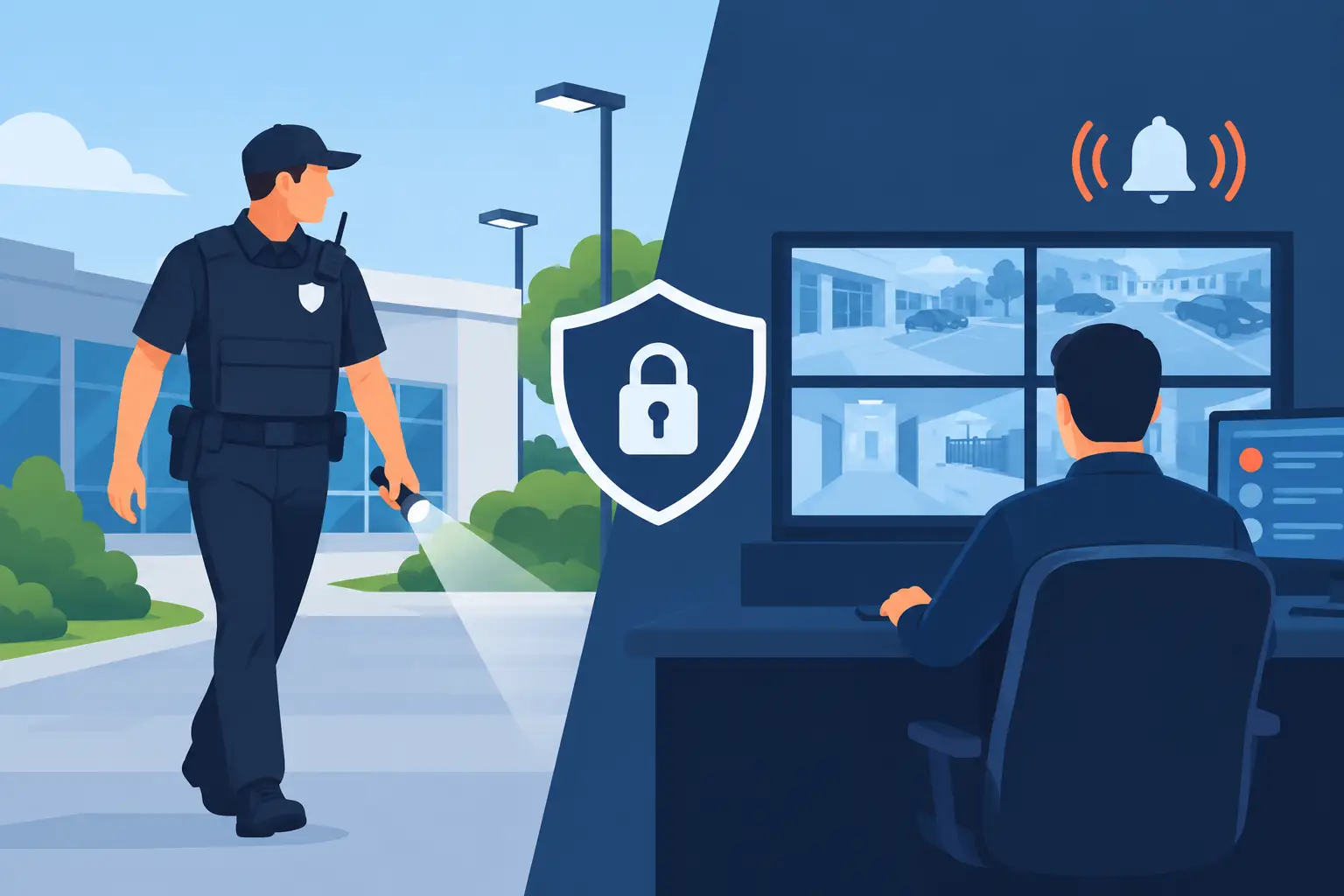
Unarmed security is often the smarter operational choice for lower-risk environments that still need reliable protection. A skilled unarmed officer can manage access points, observe and report suspicious activity, patrol the property, support emergency procedures, document incidents, and serve as a visible deterrent.
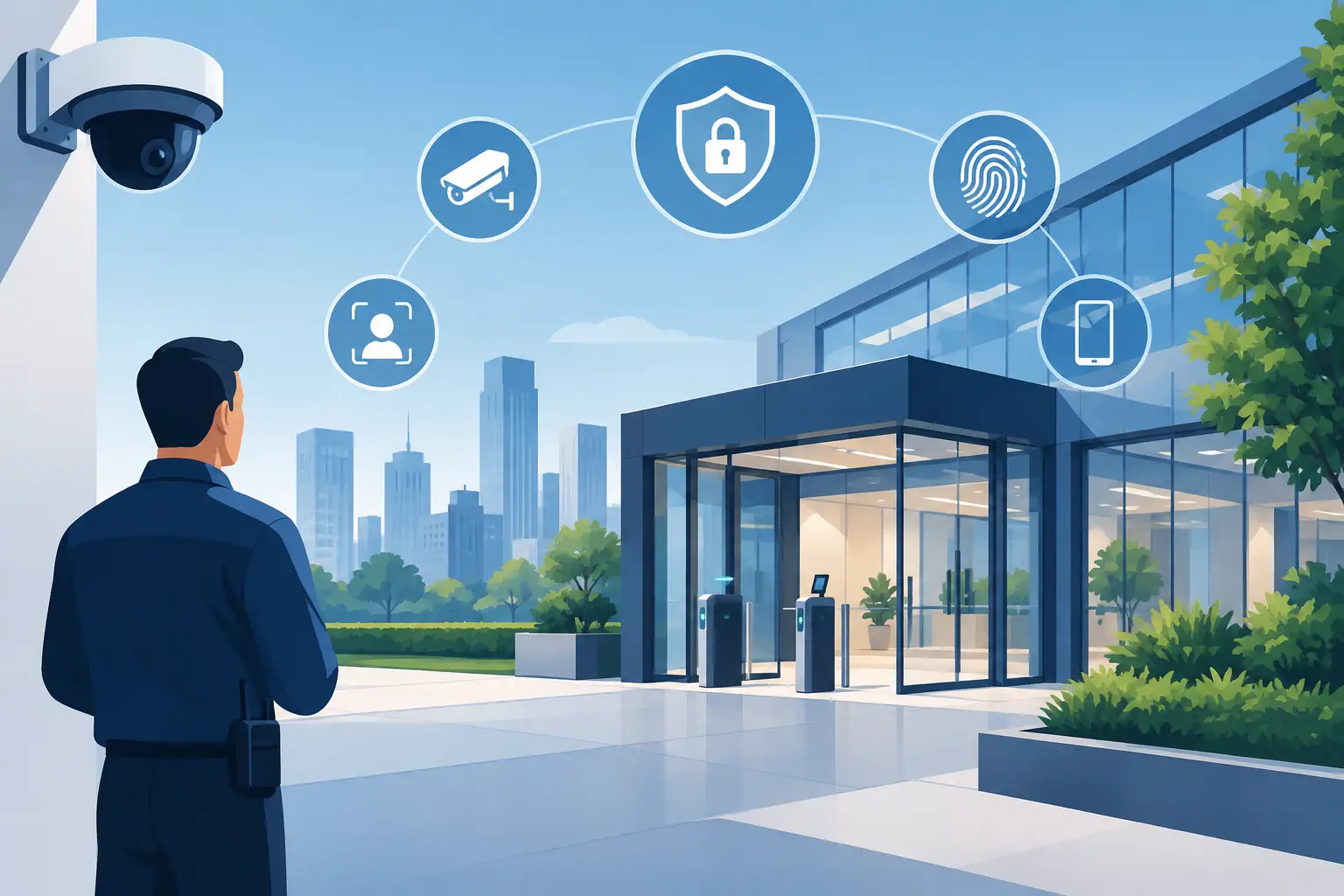
This works especially well in office buildings, shopping centers, schools, hotels, HOAs, and event venues where the goal is to maintain a secure and professional atmosphere without raising the temperature of the environment. Many incidents never require force. They require early intervention, customer-facing professionalism, and consistent site control.
There is also a practical point here. Not every security issue is a violent crime problem. Sometimes the real challenge is loitering, unauthorized entry, policy enforcement, parking disputes, after-hours access, employee safety escorts, or responding quickly before a small issue becomes a major disruption. In those cases, unarmed coverage can provide strong value with less friction.
Training, authority, and responsibility
One of the biggest factors behind the difference between armed and unarmed security guard assignments is the level of training and responsibility carried by the officer.
Both armed and unarmed officers should be trained in observation, incident documentation, communication, patrol procedures, emergency response, and de-escalation. Those are baseline skills for professional guarding. Armed officers, however, take on an added layer of responsibility because they carry a firearm. That generally means additional licensing, firearms qualification, legal instruction, use-of-force training, and recurring proficiency standards based on state requirements and company protocols.
For clients, this matters because the weapon changes the assignment. An armed officer is not simply an unarmed officer with extra equipment. The role requires stronger judgment, discipline, and decision-making under stress. A provider should be able to explain not just that an officer is licensed, but how that officer is selected, supervised, and held to performance standards.
Deterrence and public perception
Visible deterrence is one reason organizations consider armed coverage, but deterrence has more than one form. An armed officer can send a clear message that the site takes security seriously and is prepared for high-risk incidents. That can discourage certain threats.
At the same time, unarmed officers can be highly effective deterrents when deployed correctly. A consistent security presence at entrances, parking areas, loading zones, or event perimeters often stops misconduct before it starts. People are less likely to test boundaries when they see active monitoring, confident patrol activity, and immediate engagement.
Perception matters. A luxury retail location, corporate lobby, school function, or healthcare setting may want security that feels calm, approachable, and controlled. In those environments, unarmed officers often align better with the client experience. For a bank, cannabis facility, critical infrastructure site, or executive transport detail, an armed posture may be more appropriate.
Cost, liability, and operational impact
Armed security usually costs more than unarmed security. That difference reflects additional training, licensing, insurance, and risk. But the real question is not whether armed coverage costs more. It is whether the added cost is justified by the threat environment.
Choosing armed security for a low-risk property can create unnecessary expense and may complicate the atmosphere for employees, tenants, or guests. Choosing unarmed security for a site with a documented violence risk can leave a dangerous gap in the protection plan. The right decision comes from a realistic assessment of threats, exposure, hours of operation, asset value, foot traffic, and incident history.
Liability is another factor that decision-makers should weigh carefully. A provider should have clear use-of-force policies, supervisory oversight, reporting standards, and escalation procedures. If those controls are weak, the risk does not disappear just because a guard is present. It increases.
How to decide what your site actually needs
The best starting point is not the question, “Do we want armed or unarmed guards?” The better question is, “What problems are we trying to prevent, and what level of response does this environment require?”
If your priorities are access control, customer safety, patrol visibility, rule enforcement, and prompt incident reporting, unarmed coverage may fully meet your needs. If your site faces elevated criminal risk, handles sensitive assets, or requires a higher readiness posture, armed coverage may be appropriate.
In many cases, the answer is mixed. A business may need unarmed lobby coverage during operating hours and armed patrol after hours. An event may need unarmed perimeter staff with an armed supervisor or rapid response layer in reserve. Good security planning is rarely one-size-fits-all. It should reflect how the site actually operates.
That is why experienced firms assess the environment before recommending coverage. At Springfield Private Security, that operational approach helps clients align officer type, post orders, and response planning with real-world conditions instead of assumptions.
The right fit is about risk, not image
The difference between armed and unarmed security guard services comes down to fit. Armed officers are suited for higher-risk assignments where force readiness may be necessary. Unarmed officers are often the stronger choice for day-to-day protection, public-facing environments, and sites where prevention, presence, and professionalism carry the most value.
The right decision protects more than property. It supports continuity, reduces unnecessary friction, and gives your team a level of coverage that matches the reality of the job. If you start with risk, operations, and the people who move through your site every day, the answer usually becomes clear.