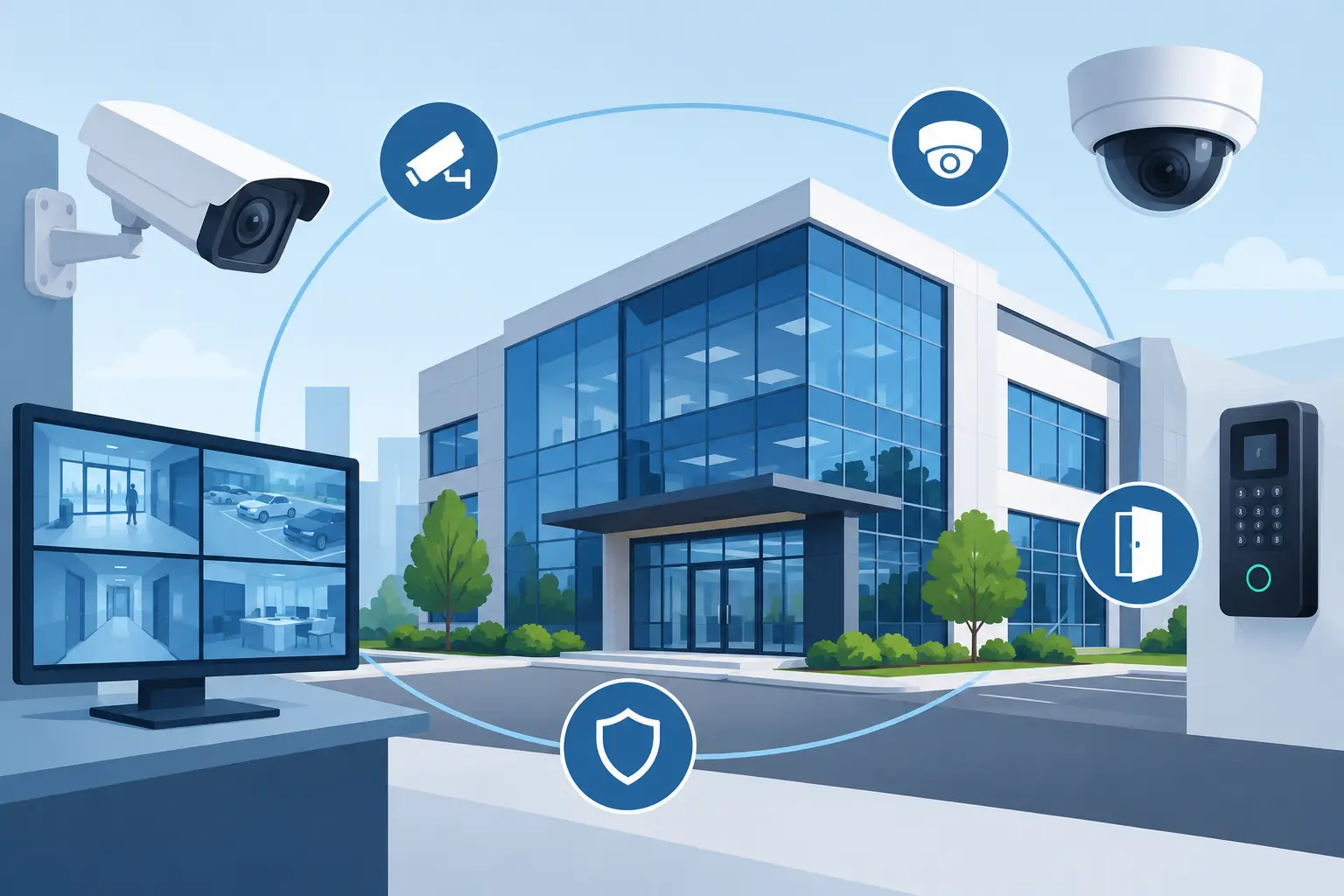
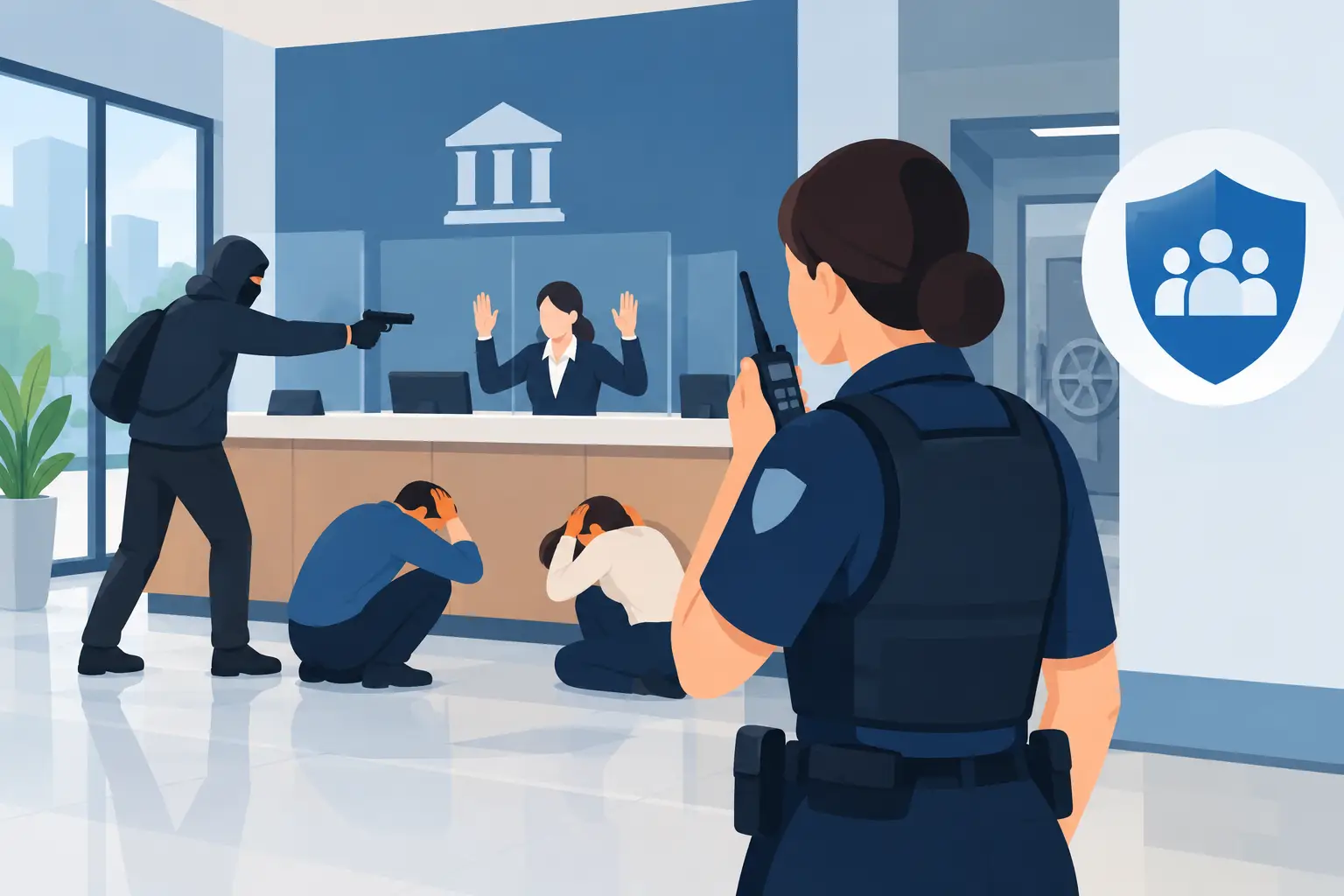
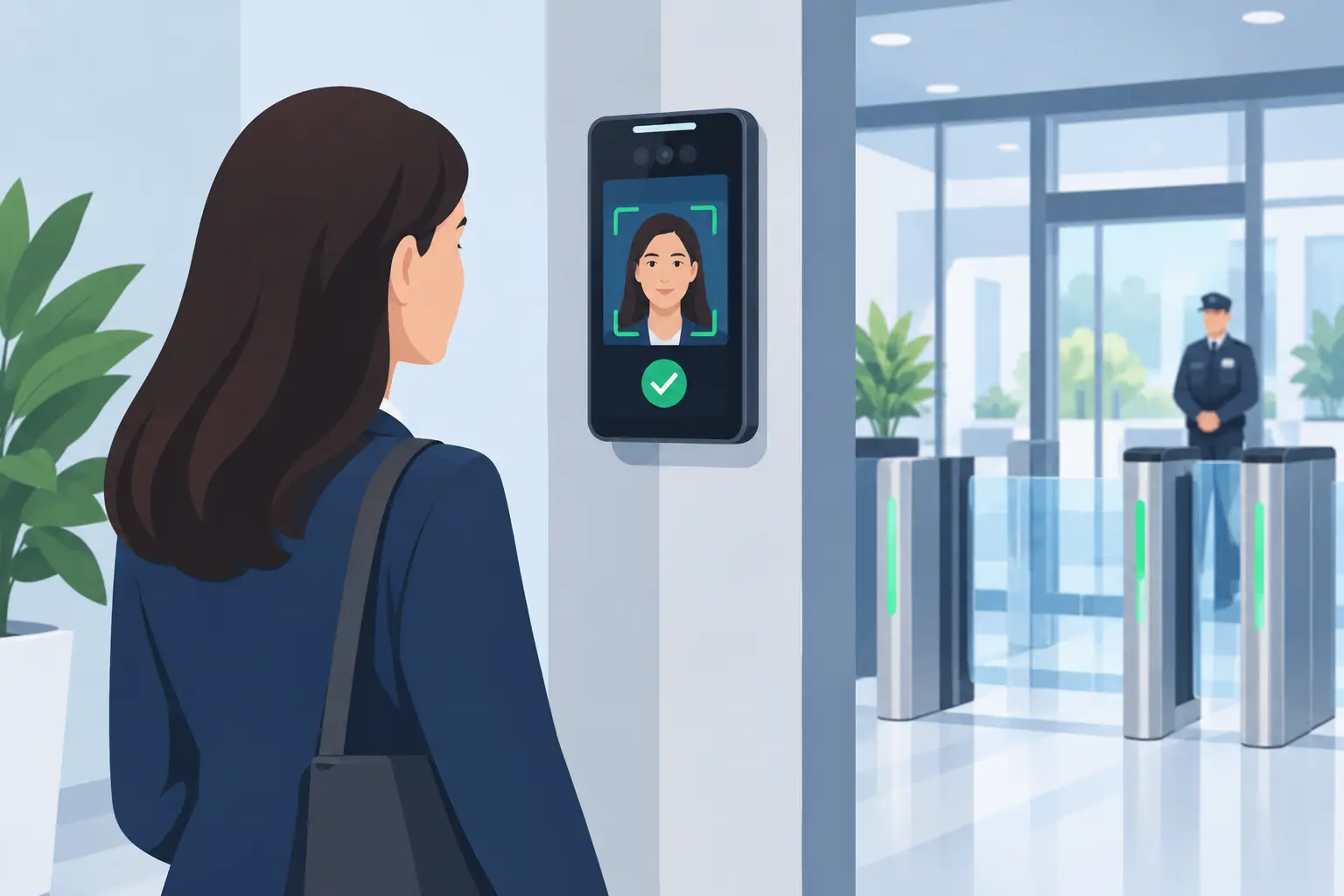
A vacant loading dock after hours, an unsecured side entrance, a dispute in a parking structure – commercial property security services are designed to address the ordinary vulnerabilities that can quickly become costly incidents. For property managers and operations leaders, the goal is not simply to place a guard at a post. It is to keep employees, tenants, visitors, assets, and business operations protected without creating unnecessary friction in the workplace.
The right security program reflects how a property actually functions. A distribution center has different exposure points than a medical office, retail center, corporate campus, construction site, or mixed-use development. Effective protection begins with that operational reality.
What Commercial Property Security Services Should Accomplish
Security coverage should support business continuity. That means preventing avoidable problems where possible, recognizing early warning signs, and responding professionally when an incident occurs. Visible officer presence can deter trespassing, theft, vandalism, and unauthorized access, but deterrence alone is not a complete plan.
A capable provider also gives decision-makers reliable reporting, clear escalation procedures, and personnel who understand the site. Officers should know which doors must remain secure, where employees and vendors enter, which areas require special attention, and who to contact when something is not right.
For many organizations, the value is measured in fewer disruptions. A properly managed security presence can help prevent a minor access-control issue from becoming a theft claim, a tenant concern from becoming a liability matter, or a suspicious person from reaching a restricted area. It also provides a trained, accountable point of contact during emergencies.
Start With the Property, Not a Standard Package
Security plans fail when they are copied from one site to another without considering the property’s daily conditions. Before recommending staffing levels, patrol schedules, or technology, a provider should evaluate the physical environment and the risks connected to its use.
This assessment should consider more than crime statistics. It should account for operating hours, staffing patterns, tenant traffic, public access, delivery activity, parking conditions, lighting, emergency exits, prior incidents, and nearby conditions that could affect the property. A site that is quiet during the day may have its greatest exposure after contractors leave. A retail property may need a highly visible presence during peak hours but more perimeter checks after closing.
The questions should be practical. Where could an unauthorized person enter? Are gates, doors, cameras, and alarm systems working as intended? Are employees following visitor and key-control procedures? Can an officer reach a problem area quickly? Is there a clear process for reporting threats, damage, or suspicious activity?
A customized plan turns those answers into post orders, patrol routes, reporting requirements, and response procedures. It also defines the boundaries of the assignment so officers, managers, and tenants understand what security is responsible for and when law enforcement or emergency services must be involved.
Choosing the Right Type of Coverage
The best staffing model depends on risk, budget, property layout, and the level of interaction required. Some sites need continuous coverage at a primary entrance. Others benefit more from scheduled and randomized patrols that check multiple buildings, parking areas, gates, and vulnerable access points.
On-site security officers
Dedicated on-site officers are often appropriate for properties with regular public traffic, sensitive assets, complex access requirements, or recurring concerns. They can monitor entry points, verify visitors, conduct patrols, assist with emergencies, enforce property rules, and provide a consistent professional presence.
Armed or unarmed coverage should be based on a documented risk assessment rather than appearance alone. Armed officers may be appropriate for higher-risk environments, valuable assets, or credible threat conditions. Unarmed officers are often effective for access control, concierge-style security, patrol, observation, documentation, and de-escalation. The correct choice depends on the property’s risk profile, local requirements, and the client’s operational needs.
Mobile patrol and rapid response
Mobile patrol is a practical option for commercial properties that do not require a full-time officer but still need regular oversight. A patrol unit can inspect doors and gates, check perimeter conditions, respond to alarms, document damage, and maintain a visible presence at unpredictable times.
This model is particularly useful for office parks, construction sites, vacant properties, retail centers, and multi-tenant locations. It is not a substitute for a dedicated post when immediate, continuous access control is necessary. The trade-off is simple: patrol coverage expands visibility across a site or portfolio, while on-site coverage provides constant presence in one location.
Security consulting and risk management
Sometimes the main issue is not staffing. It may be an outdated access-control process, poor lighting, inconsistent visitor procedures, unclear emergency roles, or a property layout that makes blind spots unavoidable. Security consulting helps identify these gaps and prioritize realistic improvements.
The strongest recommendations are business-aligned. A solution should improve protection without making it unnecessarily difficult for employees to perform their work, vendors to make deliveries, or tenants to serve customers. Security is most effective when people can follow the procedures consistently.
What Professional Officers Bring to the Site
An officer’s judgment matters as much as their visibility. Commercial properties need professionals who can remain alert during routine shifts, communicate calmly with the public, recognize behavior that requires attention, and document facts accurately.
Professionalism is especially important when an officer interacts with employees, tenants, customers, or visitors. Security personnel represent the property every time they provide directions, enforce a rule, address a parking concern, or manage a tense situation. The objective is controlled, respectful intervention that protects the client’s environment.
Training and supervision should support that standard. Officers need clear post orders, site-specific orientation, reliable communications, and access to a supervisor when conditions change. Detailed daily activity reports and incident reports give management a usable record of what occurred, what action was taken, and whether further follow-up is needed.
For a multi-location business, consistent reporting also reveals patterns. Repeated door alarms, recurring loitering, after-hours access attempts, or parking-lot complaints may point to a larger operational issue that should be corrected before it develops into a serious event.
How to Evaluate Commercial Property Security Services
When comparing providers, look beyond hourly rates. Low pricing can create problems if it leads to inconsistent staffing, poor supervision, limited training, or officers who are unfamiliar with the property. Security is a service that depends on people, readiness, and management discipline.
Ask how the provider recruits and screens officers, how it handles call-offs, how supervisors check site performance, and how quickly it can respond to an incident or coverage gap. Request clarity on reporting, communication procedures, insurance, licensing, and the process for adjusting service as conditions change.
It is also reasonable to ask how the company will learn your business. A provider that takes time to understand your operations can build security into the normal rhythm of the property. One that offers only a generic schedule may leave important risks unaddressed.
Springfield Private Security approaches commercial protection with this operational focus, combining veteran-led discipline with site-specific officer coverage, patrol, response, and risk-management planning across California and Nevada.
Security Works Best as an Ongoing Partnership
Commercial risks change. A new tenant moves in, a construction project changes access routes, a nearby incident raises concerns, or seasonal traffic increases. Security coverage should be reviewed regularly rather than left unchanged because it was adequate months ago.
Regular communication between property leadership and the security team helps keep post orders current and gives officers the information they need to perform effectively. Brief check-ins can address changes in access schedules, new vendors, recurring tenant concerns, building maintenance issues, and emergency planning.
The most useful security program is not the one that creates the most visible activity. It is the one that gives your people confidence, protects your property, and allows operations to continue with fewer interruptions. Begin with an honest assessment of where your site is exposed, then build coverage that matches the way your business actually operates.