A property manager usually asks this question for a practical reason, not out of curiosity. They want to know what an officer will have on site, what that gear allows them to do, and whether it fits the risk level of the property. When clients ask what do unarmed security guards carry, the real issue is readiness, liability, and how security will function without introducing unnecessary force.
The short answer is that unarmed guards typically carry communication tools, reporting materials, identification, and site-approved safety equipment. Depending on the assignment and local regulations, they may also carry items such as flashlights, radios, tour systems, body cameras, first aid supplies, gloves, and in some cases defensive tools that are legal for licensed personnel. What they carry should always match the environment, the post orders, and the legal framework in the state where they work.
What do unarmed security guards carry on a typical post?
Most unarmed officers are equipped to observe, communicate, document, and respond within clearly defined limits. That distinction matters. An unarmed security presence is not built around force. It is built around deterrence, visibility, access control, policy enforcement, and early incident detection.
On many commercial properties, the most important tool is the radio or other communication device. A guard who can quickly reach a supervisor, building engineer, event lead, or emergency services is far more effective than one who is carrying unnecessary equipment. Communication drives coordination, and coordination reduces confusion during incidents.
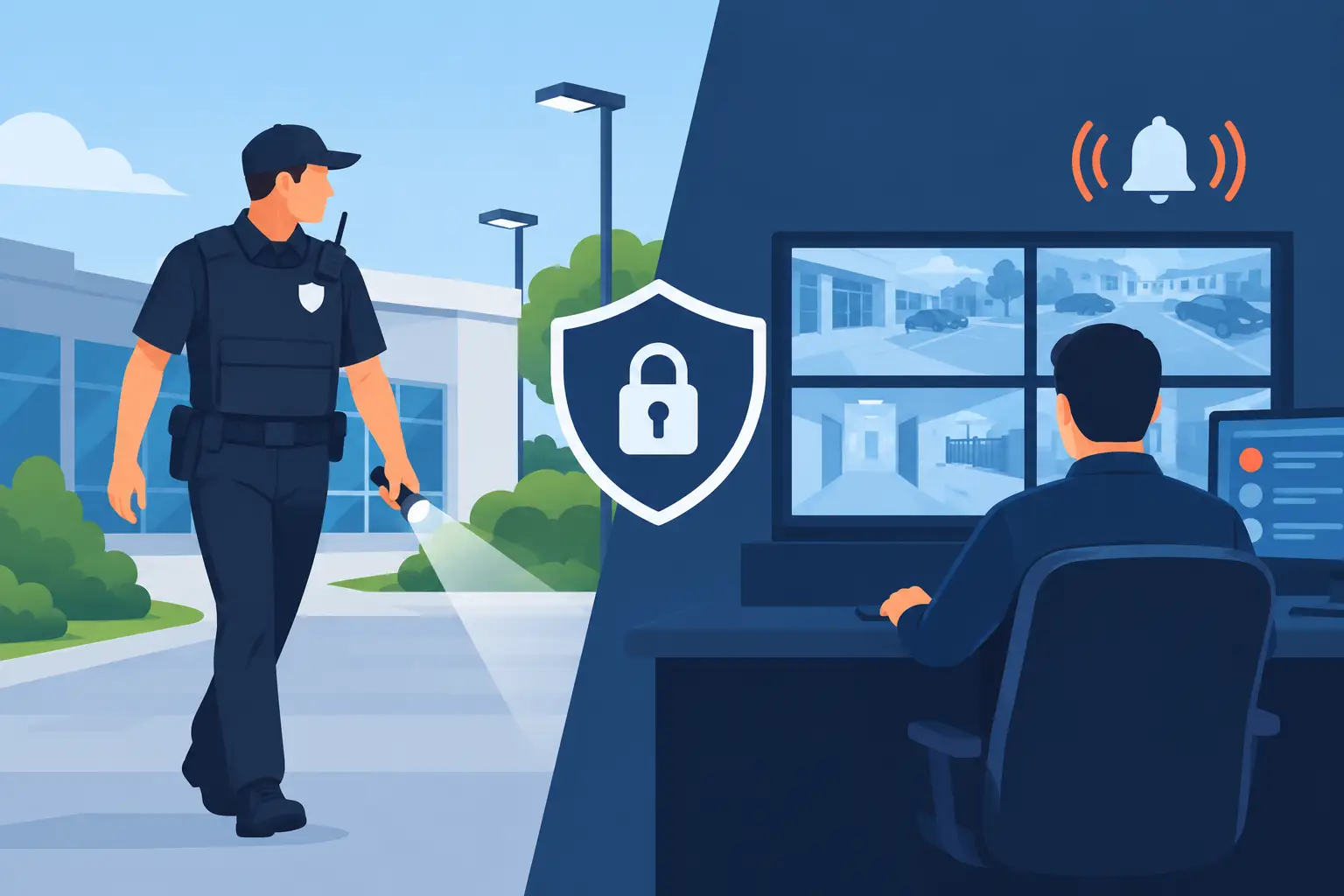
A flashlight is also common, even on daytime posts. Parking areas, stairwells, utility rooms, loading docks, and exterior perimeters all create visibility issues. A good flashlight supports patrol work, helps with inspections, and can improve officer safety without escalating a situation.
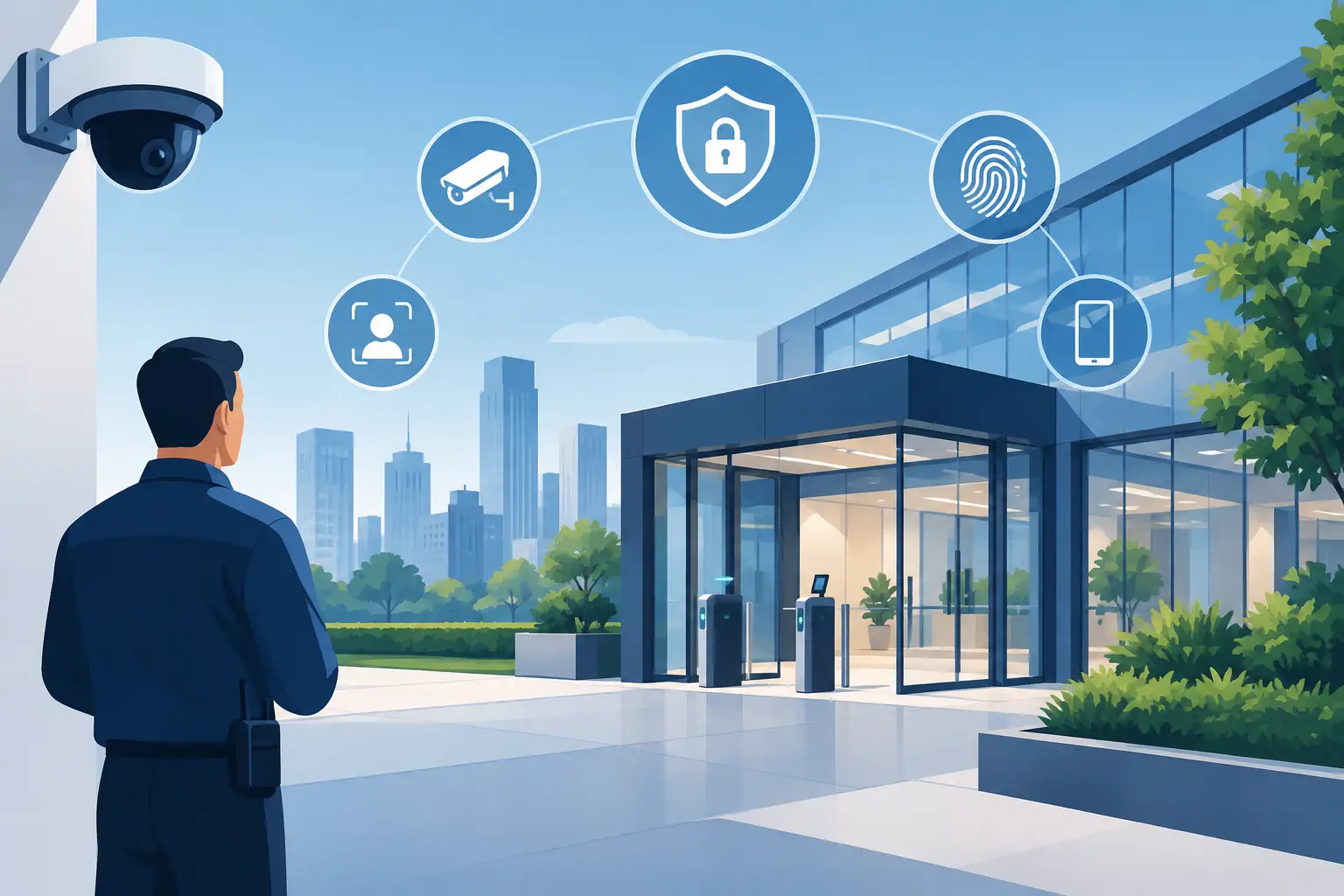
Most guards also carry a phone or approved mobile device for dispatch contact, incident reporting, and photo documentation when policy allows it. In many modern security programs, digital reporting is standard because clients need accurate logs, timestamps, and fast notification when something happens.
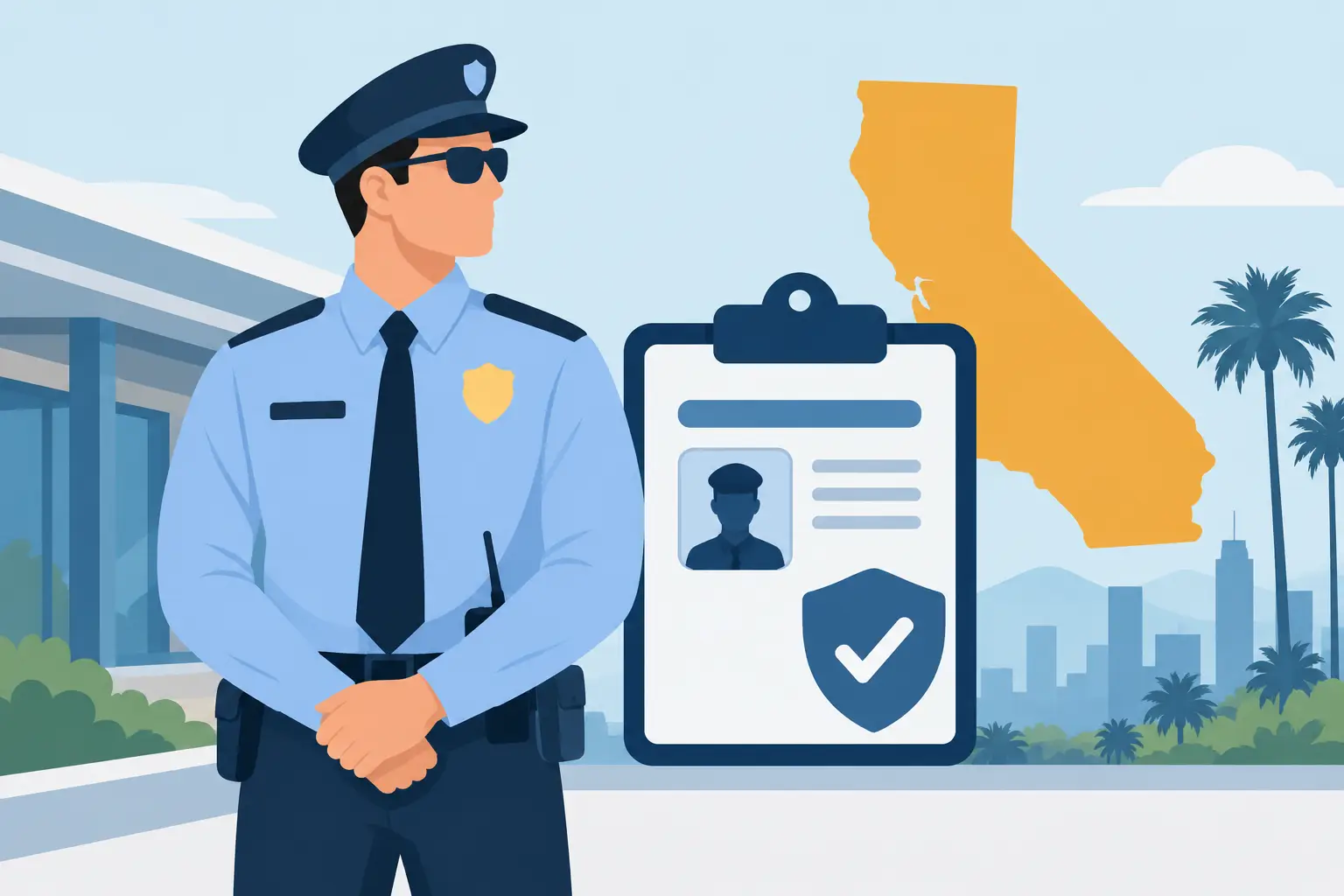
Identification is another basic part of the uniform package. That usually includes a state-issued guard card where required, company credentials, and any site-specific access badge. For businesses, this matters because authorized identification builds compliance and reduces friction with tenants, employees, visitors, and vendors.
Common gear depends on the site and assignment
The answer to what do unarmed security guards carry changes from one contract to another. An officer assigned to a corporate lobby will not carry the exact same equipment as an officer working a construction site, medical facility, retail center, or overnight industrial patrol.
In a front desk or concierge-style role, the officer may carry little more than a radio, phone, ID, notebook, and access control tools such as keys, cards, or visitor management credentials. The priority there is professionalism, presence, and controlled entry.
On a larger property or patrol assignment, the equipment loadout may expand. A patrol officer might carry a flashlight, spare batteries, a radio earpiece, electronic tour verification equipment, a site map, an incident notebook, nitrile gloves, and a first aid pouch. If the post includes vehicle patrol, they may also have traffic vests, cones, and emergency contact binders.
At events, unarmed officers often carry communication gear, guest screening tools approved by the client, credential lists, and post orders with escalation procedures. Their job is typically to manage access points, observe crowd behavior, enforce event rules, and coordinate a rapid response if an issue develops.
This is where experienced planning matters. Good security providers do not hand every officer the same gear and call it a day. They match the equipment to the operational need, the client environment, and the acceptable level of visibility.
Tools unarmed guards often carry
While exact policies vary, the most common items include:
- Two-way radio or other communication device
- Flashlight
- Cell phone or reporting device
- Notepad and pen, or digital reporting app
- Company ID and state license credentials
- Keys, access cards, or gate controls
- First aid basics and protective gloves
- Reflective vest for traffic or parking duties
- Body camera, if authorized by policy and law
- Tour tracking device for patrol verification
Not every officer carries every item on that list. The right loadout depends on what the officer is expected to do and what the client wants the security presence to feel like.
What unarmed guards carry is shaped by law and policy
This is where many assumptions break down. People hear “unarmed” and think it means no equipment at all, or they assume it means the guard can still carry any non-firearm defensive tool. Neither assumption is reliable.
State law, licensing requirements, employer policy, and client site rules all play a role. In California and Nevada, for example, there can be strict limits on what security personnel may carry and what training is required before carrying certain items. Some tools may be legal for one assignment and prohibited on another. Some may require specific permits, certifications, or written authorization.
That means a professional answer should never be one-size-fits-all. A qualified provider evaluates the post, confirms legal compliance, and issues only the equipment that is appropriate for that assignment. For clients, this reduces liability and helps avoid the common mistake of over-equipping a low-risk post in a way that creates tension or confusion.
Defensive tools are not automatic
One of the most common follow-up questions is whether unarmed guards carry pepper spray, batons, handcuffs, or Tasers. The answer is: sometimes, but not by default.
An unarmed guard is defined by not carrying a firearm. That does not automatically answer every other equipment question. Some unarmed officers may be authorized to carry less-lethal or restraint tools if state law allows it, if they have completed the required training, and if both company and client policy support it. Other contracts prohibit those items entirely because the assignment is customer-facing, low risk, or designed around de-escalation and observation.
There are trade-offs here. Defensive tools can provide an added layer of officer safety on certain posts, especially where there is a realistic risk of assault or aggressive trespassing. At the same time, they also change the profile of the assignment. They require stricter policy controls, more training, and clearer use-of-force standards. For many commercial and institutional settings, a disciplined unarmed presence with strong communication and escalation protocols is the better fit.
The most valuable things an unarmed guard carries are not always visible
Clients often focus on belt gear, but the strongest unarmed officers bring value through judgment. They carry situational awareness, post knowledge, and the ability to recognize a problem before it becomes a disruption.
That shows up in simple but high-value actions: noticing a door that is not latching, identifying suspicious loitering near employee entrances, documenting a slip hazard before someone gets hurt, or calling law enforcement early when a trespass issue starts to escalate. Those actions protect people and operations without turning the site into a high-friction environment.
A trained officer also carries communication discipline. During a medical issue, fire alarm, workplace disturbance, or after-hours access violation, clear reporting can matter more than any physical tool on the belt. Businesses do not just need a body at the post. They need someone who can assess, communicate, and follow procedure under pressure.
What businesses should ask before approving guard equipment
If you are hiring unarmed security, it is worth asking direct questions about what officers will carry and why. Ask how the equipment aligns with the property risk profile, whether any defensive tools are included, what training applies, and how incidents are documented and escalated.
You should also ask how the gear supports your daily operation. A warehouse, apartment community, school, office building, and special event all have different needs. The right equipment package should support your business goals, not work against them.
This is one reason many organizations prefer a consultative security partner. Springfield Private Security, for example, approaches site coverage with the understanding that visible preparedness has to be balanced with professionalism, compliance, and minimal disruption to normal operations.
What do unarmed security guards carry when the job is done right?
They carry the tools needed to observe, report, communicate, and respond within scope. They may carry additional safety or defensive equipment when the assignment, the law, and the training support it. But the better question for most clients is whether the guard is properly equipped for your environment, not whether they are carrying the maximum allowed gear.
A well-run unarmed security program is not defined by how much equipment an officer has. It is defined by whether the officer can deter issues, protect people, document clearly, and help keep your site running without unnecessary disruption. That is the kind of preparedness that tends to hold up when the pressure is real.