The first minutes of an emergency rarely allow for debate. A fire alarm, medical event, active threat, hazardous material release, or severe weather warning forces personnel to make decisions while information is incomplete and pressure is high. This facility emergency response planning guide helps operations leaders establish the roles, procedures, and security coordination needed to protect people first while preserving business continuity.
A written plan alone is not preparedness. The plan must match the facility, be understood by the people expected to act on it, and hold up under real operating conditions. That means accounting for shift changes, visitors, contractors, access points, building systems, and the specific risks associated with your industry and location.
Start With the Facility You Actually Operate
Generic emergency templates are useful as a reference, but they cannot account for the realities of your site. A distribution center with loading docks and overnight operations faces different risks than a medical office, corporate campus, bank branch, school, apartment community, or event venue. The goal is not to create the longest possible manual. It is to create a practical response plan that people can follow under stress.
Begin with a site-specific risk assessment. Identify credible emergencies, their likely impact, and the resources available to respond. Consider both internal incidents, such as workplace violence, equipment failure, medical emergencies, and suspicious packages, and external incidents, including wildfire, flooding, civil unrest, power outages, and nearby hazardous-material events.
Review the physical layout in detail. Document public entrances, employee entrances, loading areas, stairwells, elevators, utility shutoffs, assembly areas, restricted spaces, camera coverage, and locations where people may become isolated. For multi-tenant properties, the plan should also define where landlord responsibilities end and tenant responsibilities begin.
Risk is not static. A remodel, new tenant, change in operating hours, construction project, or increase in visitor volume can create gaps in a plan that once worked well. Review the assessment at least annually and after any significant incident or operational change.
Assign Authority Before an Incident Occurs
Unclear authority creates delay. During an emergency, employees need to know who can order an evacuation, who contacts first responders, who secures access points, and who communicates with executives, tenants, families, or customers.
Assign an incident lead and at least one alternate for every shift. This person does not need to personally manage every task. Their responsibility is to establish control, confirm the immediate priority, and direct the response until public safety personnel arrive or the incident is stabilized. In a larger facility, designated floor wardens, first-aid responders, communications personnel, and security officers can carry specific responsibilities.
Responsibilities should be written in plain language. Avoid assigning roles based only on job titles if those employees may be off site, traveling, or unavailable. A practical plan names primary and backup personnel, identifies how they will communicate, and explains what authority they have to act.
For example, a security officer may be responsible for meeting responding police or fire personnel, providing access, relaying camera observations, and keeping unauthorized people away from the scene. Facilities staff may isolate utilities when it is safe to do so. Management may activate employee communications and continuity procedures. These duties should complement one another, not overlap in a way that causes confusion.
Build Procedures Around Life Safety
Every emergency procedure should begin with the immediate protective action required. Depending on the hazard, that may mean evacuation, sheltering in place, lockdown, moving to higher ground, administering first aid, or maintaining distance from a suspected hazard.
Evacuation plans need more than a posted map. Confirm that primary and alternate routes are usable, that assembly areas are far enough from the building and emergency vehicle access lanes, and that supervisors can account for employees, visitors, and contractors. People with mobility limitations or other assistance needs require individualized planning that preserves dignity and safety.
Lockdown and active-threat procedures require particular care. Employees should understand how to recognize a serious threat, notify law enforcement, move away from danger when possible, secure rooms when escape is not available, and avoid opening secured doors until authorities give a clear all-clear. The correct response can vary based on the facility layout and the threat location, so training should focus on decision-making rather than a one-size-fits-all script.
Medical response procedures should identify who calls 911, where first-aid kits and automated external defibrillators are located, and which personnel are trained to provide aid. In many workplaces, a medical emergency is more likely than a dramatic security event. Fast, organized action matters just as much.
Use a Clear Emergency Communications Plan
A response can fail even when people make sound decisions if messages are delayed, inconsistent, or sent through the wrong channel. Establish how emergencies are reported, who receives the report, and what information must be provided. At minimum, employees should know to state the location, nature of the emergency, injuries or immediate threats, and a callback number.
Your communication plan should account for several audiences: employees on site, off-site leadership, visitors, vendors, tenants, emergency responders, and, when necessary, customers or the public. A mass notification tool can be valuable, but it should not be the only option. Power loss, weak cellular service, or an employee who has not updated contact information can limit its effectiveness.
Use preapproved message templates for common events. A short, accurate alert is better than a detailed message that arrives too late. State what happened, what action recipients should take, where they should avoid going, and when the next update is expected. Do not speculate about causes, suspects, injuries, or timelines.
Designate one person or team to manage outside communications. Uncoordinated social media posts or employee statements can interfere with investigations, create liability, and damage trust. Staff should know that all media inquiries are directed to the assigned spokesperson.
Coordinate Security and First Responders
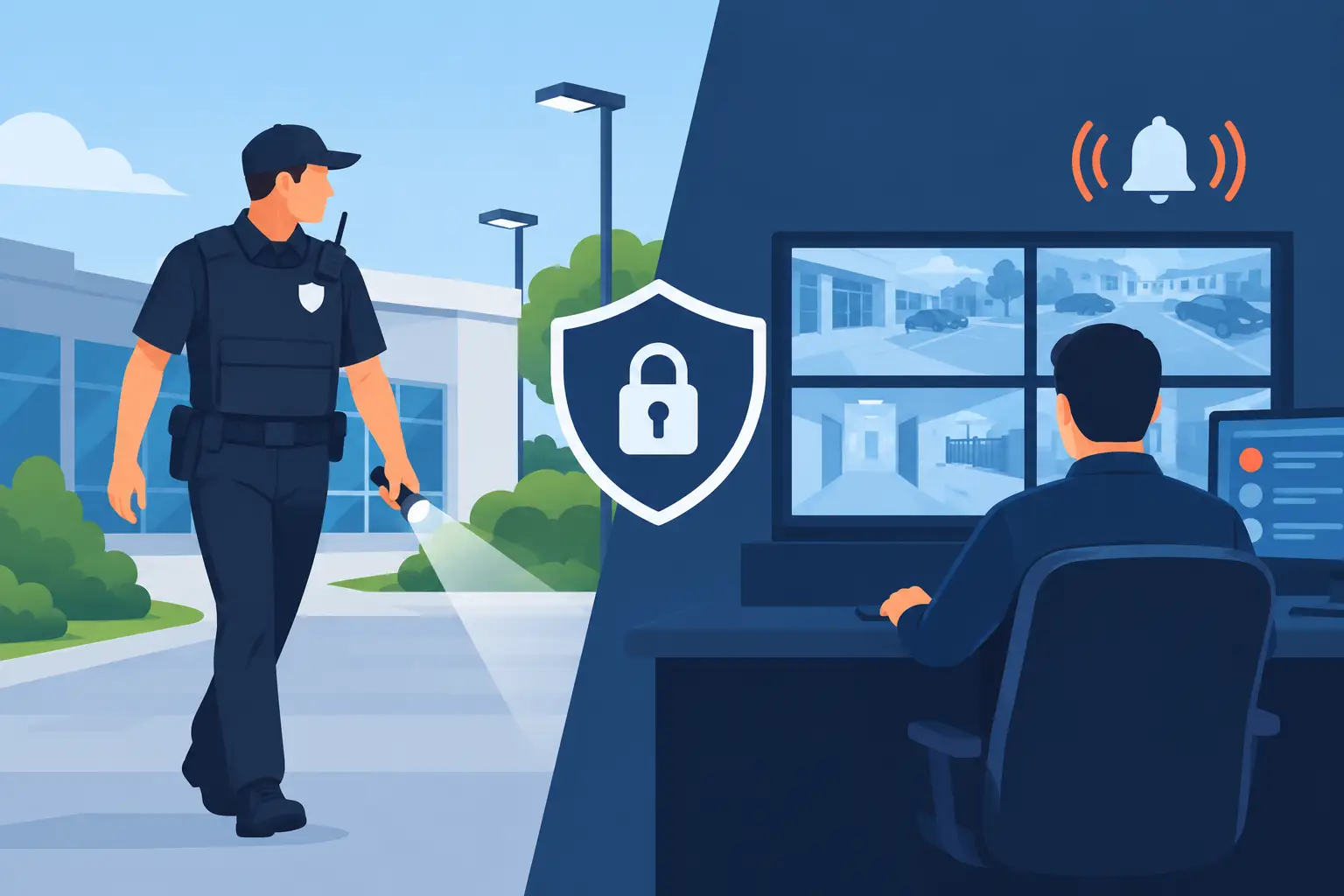
Security personnel are often the first organized resource on scene. Their role is not to replace police, fire, or medical professionals. It is to recognize threats early, initiate the planned response, preserve safe access for emergency personnel, and provide reliable information.
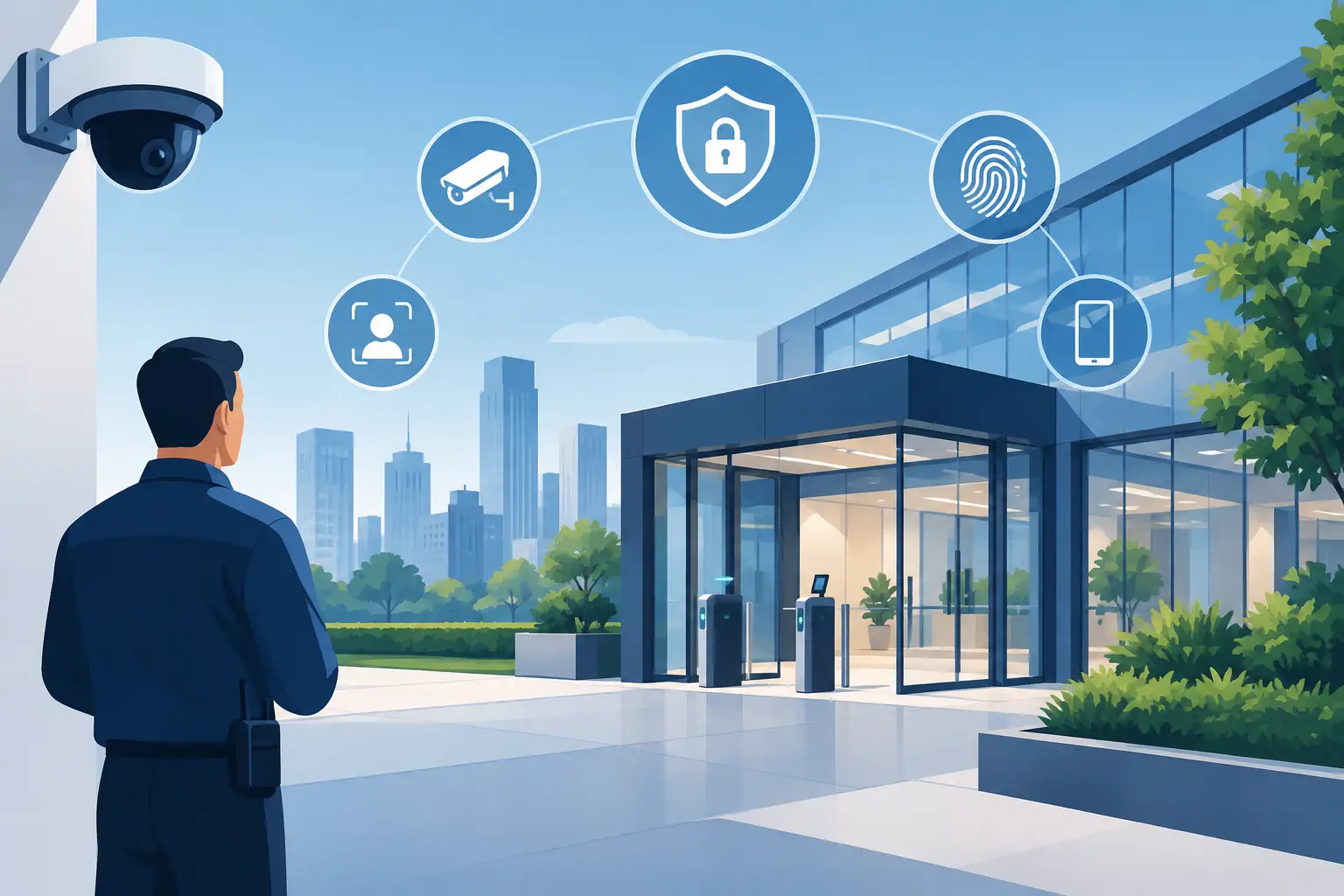
An on-site officer or mobile patrol team should understand the property’s emergency procedures, keyholder contacts, alarm systems, camera locations, restricted areas, and access-control capabilities. During a developing incident, security may need to direct responders to the correct entrance, unlock gates, monitor secondary access points, preserve video, or help keep a crowd from forming around the scene.
Pre-incident coordination with local first responders can strengthen the plan, particularly for large facilities, critical infrastructure, campuses, and high-occupancy venues. Provide accurate site maps, gate codes or access instructions where appropriate, utility information, and a current emergency contact list. The objective is simple: responders should not lose time figuring out how to enter the property or locate the incident.
Train for the Conditions People Will Face
Training should be brief, repeatable, and relevant to each employee’s role. A new-hire orientation is a starting point, not a complete program. People forget details, staffing changes, and procedures evolve.
Use a combination of short refreshers, tabletop exercises, and live drills where appropriate. A tabletop exercise is especially useful for testing leadership decisions and communication without disrupting operations. Walk participants through a realistic scenario, such as a fire during a shift change or a threatening individual at a public entrance, then identify where roles, notifications, or access procedures break down.
Live drills are valuable for evacuation, accountability, and emergency communication. However, they should be planned carefully. An unannounced drill may reveal authentic reactions, but it can also create unnecessary alarm or interfere with medical care, customer service, and high-risk operations. The right approach depends on the facility, workforce, and hazard being tested.
After each exercise or real event, conduct a short after-action review. Ask what happened, what worked, where delays occurred, and who owns each corrective action. A lesson without an assigned follow-up is not a correction.
Keep the Plan Current and Accessible
The facility emergency response planning guide should be available in formats people can use quickly. Keep controlled copies at security posts, management offices, reception areas, and other appropriate locations. Make sure designated personnel can access current contact lists and procedures from a secure mobile device if the building is inaccessible.
Review names, phone numbers, floor plans, vendor contacts, and assembly locations regularly. Outdated information is more than an administrative problem. During an emergency, it can send people to the wrong location or leave decision-makers unable to reach the people they need.
Preparedness is measured in calm, disciplined action when conditions are not calm. A facility that defines authority, trains its people, coordinates security resources, and corrects gaps after every test is better positioned to protect its people and return to normal operations with confidence.