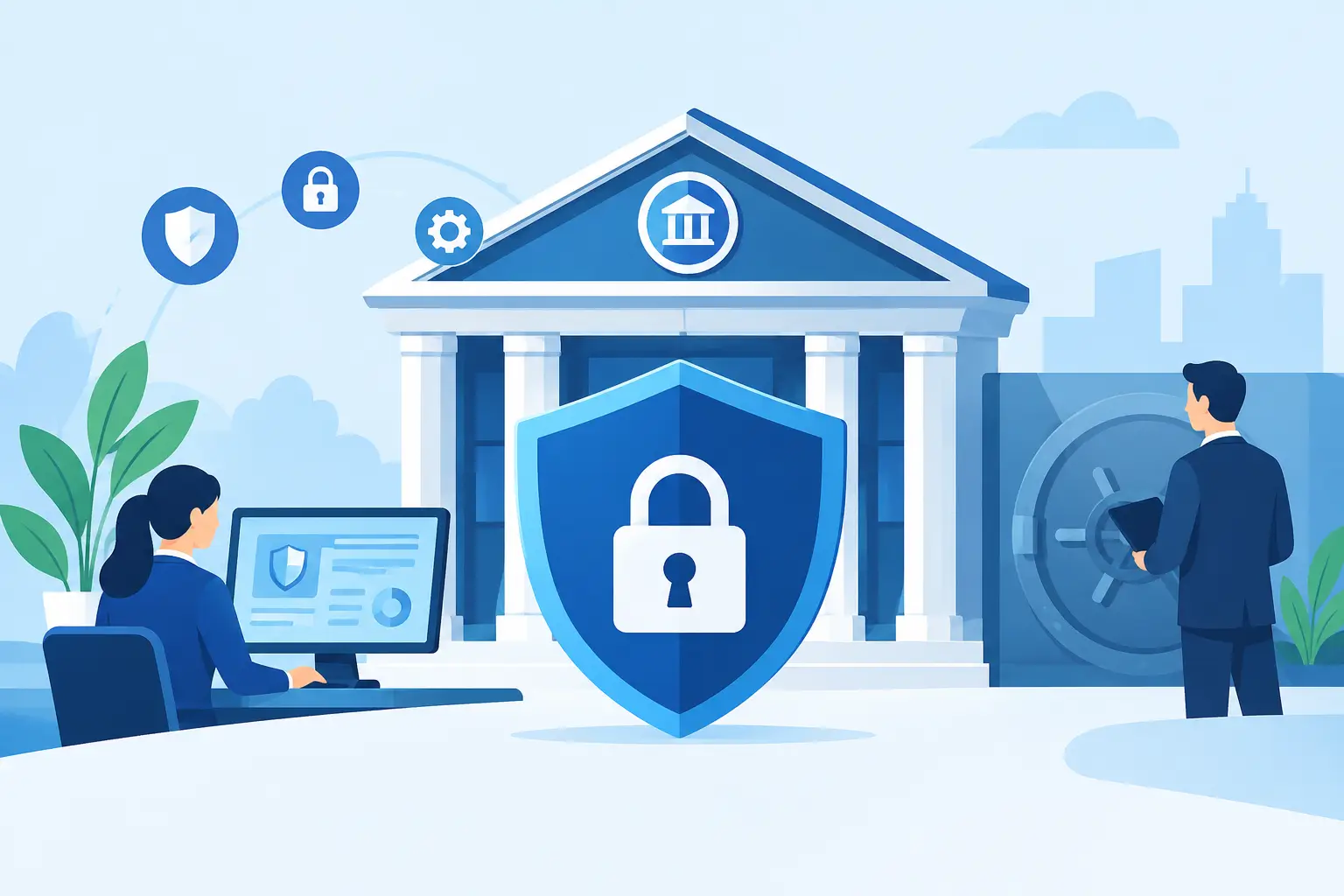
A failed gate, an unattended delivery entrance, or a delayed response to suspicious activity can interrupt far more than a single shift. For facilities that support power, water, transportation, communications, finance, healthcare, or essential supply chains, critical infrastructure security services are part of operational continuity. The goal is not simply to place a guard at a door. It is to protect people, control access, identify threats early, and keep essential operations moving.
Security at these sites must be visible enough to deter unauthorized activity and disciplined enough to avoid slowing legitimate employees, contractors, vendors, and emergency personnel. That balance requires a plan built around the facility’s actual risks, operating hours, traffic patterns, and response requirements.
What Critical Infrastructure Security Services Must Protect
Critical infrastructure includes systems and facilities that communities and businesses rely on every day. A disruption can create financial losses, safety concerns, regulatory exposure, supply interruptions, or broader public consequences. The definition varies by industry and location, but common examples include utility sites, data centers, transportation hubs, distribution facilities, healthcare support operations, financial institutions, communications sites, fuel storage locations, and municipal facilities.
The security challenge is often more complex than conventional commercial property protection. Many of these environments operate around the clock, contain restricted areas, rely on specialized equipment, and receive frequent deliveries or contractor visits. They may also face risks ranging from trespassing and theft to sabotage, workplace violence, civil disturbance, cyber-physical threats, and natural disasters.
A sound security program considers three connected priorities: protecting personnel, protecting critical assets, and protecting the facility’s ability to continue operating. Focusing on only one leaves gaps. A site may have excellent cameras, for example, but still lack trained personnel who can verify an alarm, manage access during an emergency, and communicate clearly with site leadership or first responders.
Security Starts With a Site-Specific Risk Assessment
Effective protection begins before officers are assigned. A security assessment identifies what needs protection, how it can be exposed, and where a disruption would create the greatest impact. This work should account for the physical layout as well as the daily reality of operations.
A useful assessment reviews perimeter conditions, entry and exit points, lighting, visitor procedures, key and credential controls, alarm and camera coverage, parking areas, loading zones, emergency access, and communication systems. It also examines operational routines. A gate that is properly secured during business hours may become a weak point during shift changes, overnight deliveries, maintenance windows, or severe weather.
For multi-site organizations, consistency matters, but identical plans do not always make sense. A distribution center, remote utility yard, and corporate operations center may fall under the same company, yet each has different exposure and staffing needs. The right approach sets common standards while adapting post orders, patrol routes, reporting requirements, and escalation procedures to each location.
Identify the Consequences of a Disruption
Not every area of a facility carries the same level of risk. Security planning should prioritize systems whose failure would affect safety, service delivery, revenue, or regulatory obligations. This may include control rooms, server rooms, utility equipment, fuel areas, pharmaceutical storage, restricted records, or loading areas that handle high-value goods.
This prioritization helps decision-makers use resources wisely. Continuous armed coverage may be appropriate for one location or access point, while mobile patrols, electronic monitoring, or scheduled inspections may provide sufficient coverage elsewhere. The answer depends on the threat level, the site’s operating environment, and how quickly a security issue could escalate.
The Core Components of Critical Infrastructure Protection
Critical infrastructure security services work best when trained personnel, clear procedures, and technology support one another. Equipment alone cannot make a judgment call. Officers without clear post orders cannot reliably execute the plan. Both are necessary.
Controlled Access Without Operational Friction
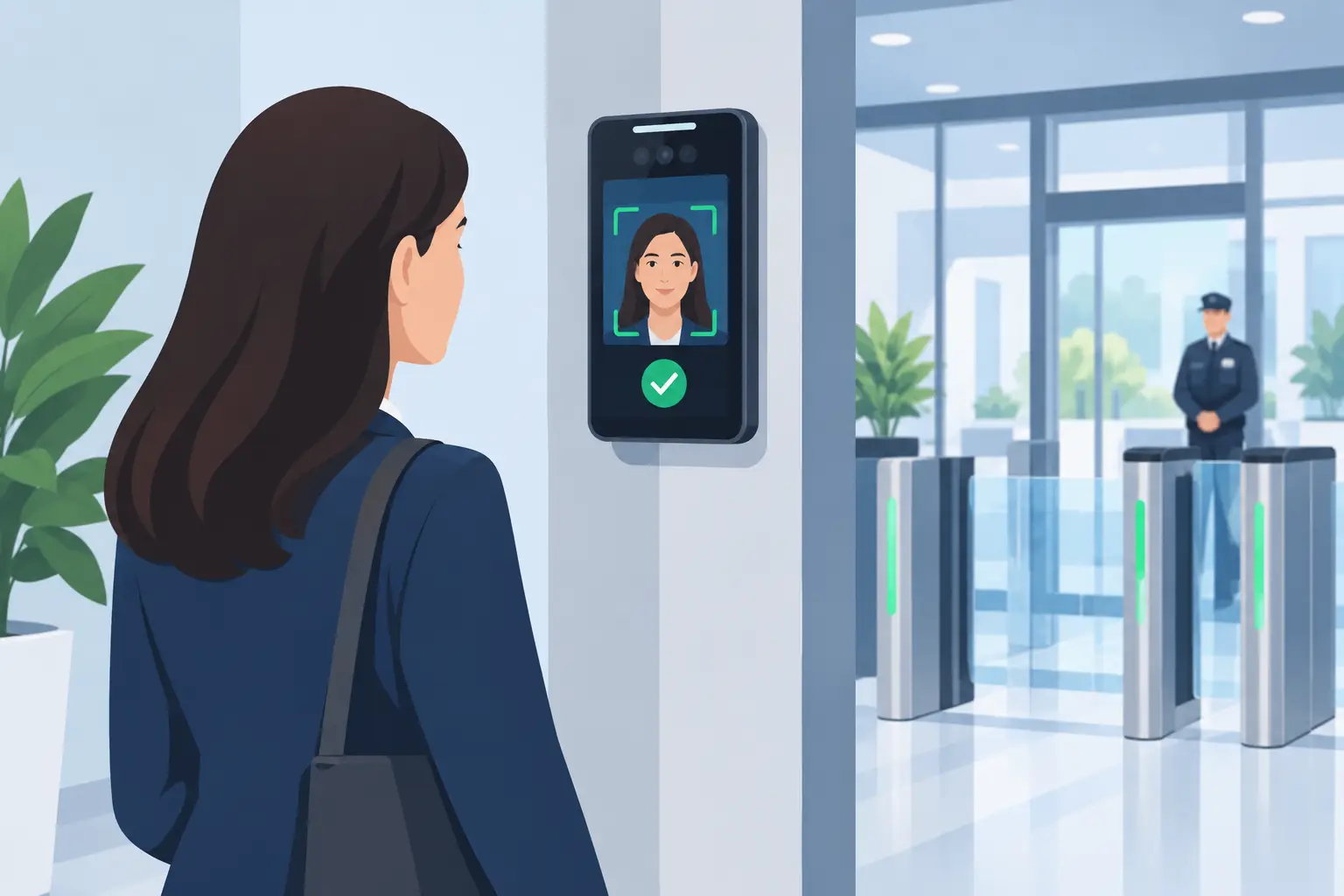
Access control is the first line of defense for many facilities. Officers can verify credentials, manage visitor and contractor sign-in, inspect authorized deliveries when required, enforce restricted-area rules, and challenge unauthorized individuals professionally.
The process must fit the site. A facility with frequent vendors needs a practical check-in procedure that confirms authorization without creating unnecessary delays. A remote site with limited foot traffic may require stronger perimeter checks and after-hours access verification. Clear procedures reduce confusion for staff and provide documented accountability when questions arise later.
Professional Officer Presence and Patrols
Uniformed officers provide a visible deterrent, but their value goes beyond presence. Well-trained officers observe conditions that cameras and access systems may miss: an unsecured door, unfamiliar vehicle activity, a damaged fence line, unsafe behavior, or a person attempting to gather information about the site.
Fixed posts are appropriate where constant access control, screening, or observation is required. Mobile patrols can strengthen coverage across large properties, remote locations, and multiple sites. Randomized patrol times can be especially useful because they make security patterns less predictable. The right model may combine both, with officers covering critical entry points and mobile units responding to broader property concerns.
Early Detection and Clear Reporting
Small incidents become larger problems when warning signs are ignored or poorly communicated. Security officers should document unusual activity, policy violations, maintenance concerns, safety hazards, and access exceptions as they occur. Timely reporting gives facility leadership the information needed to correct a problem before it affects operations.
Reports should be factual, complete, and easy to act on. They should identify what happened, where it occurred, who was involved when known, what actions were taken, and whether follow-up is required. For recurring issues, reporting creates a record that can reveal patterns, such as repeated after-hours access attempts or ongoing weaknesses at a specific perimeter point.
Incident Response That Matches the Facility
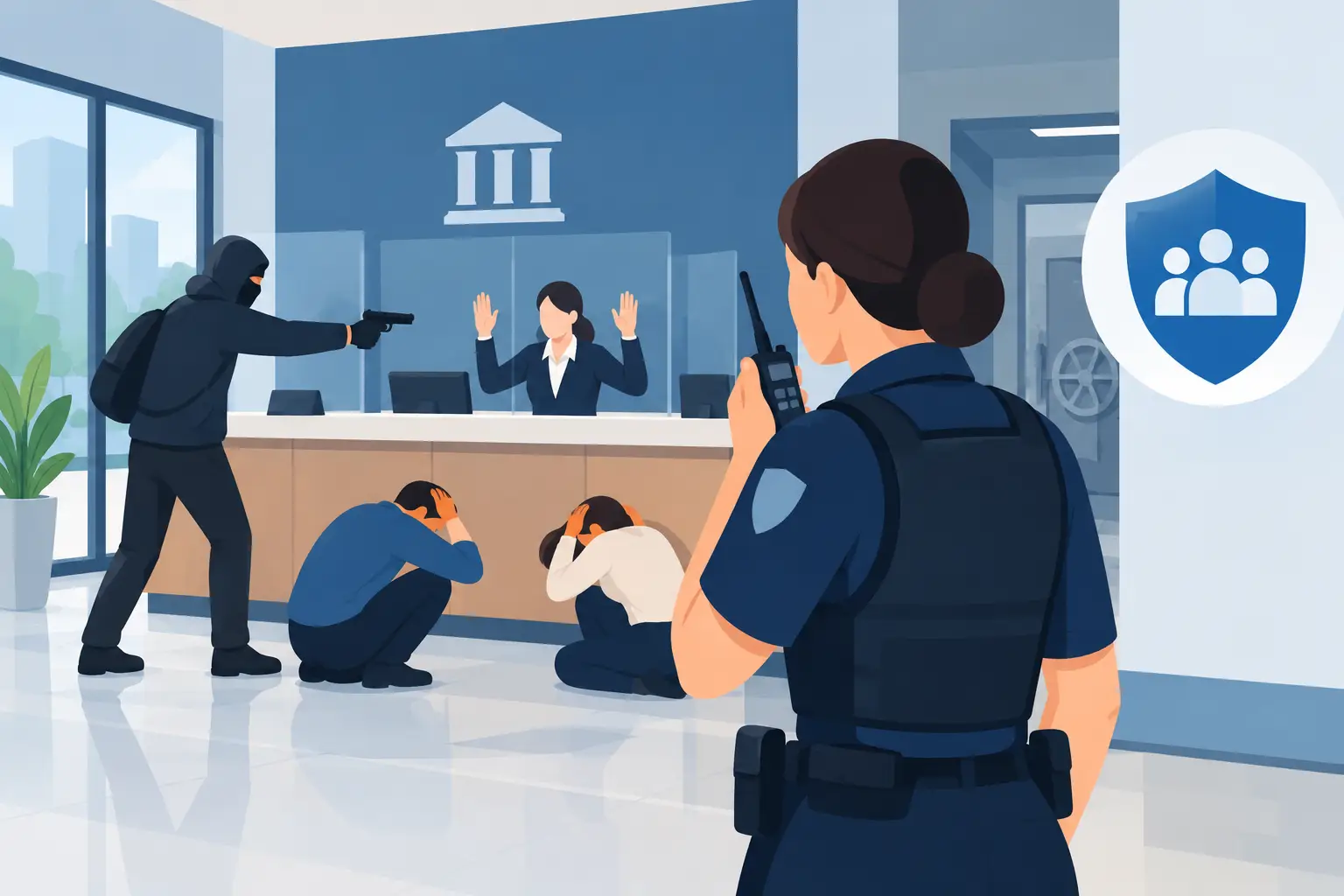
An incident response plan should answer practical questions before an incident occurs. Who has authority to make decisions? Who is contacted first? When should officers call law enforcement, fire, medical services, or internal emergency teams? How will the site secure a critical area while maintaining safe access for responders?
The plan should cover realistic scenarios, including unauthorized entry, theft, suspicious packages, utility disruption, fire alarms, aggressive behavior, workplace threats, and evacuation. It should also account for communications if normal phone, power, or network systems are unavailable.
Training and exercises matter because a plan on paper is not the same as a coordinated response. Officers must understand their role, the limits of their authority, site-specific hazards, and when to escalate. Facility employees should also know how to report concerns and what to expect from security personnel during an emergency.
Technology Is a Force Multiplier, Not a Substitute
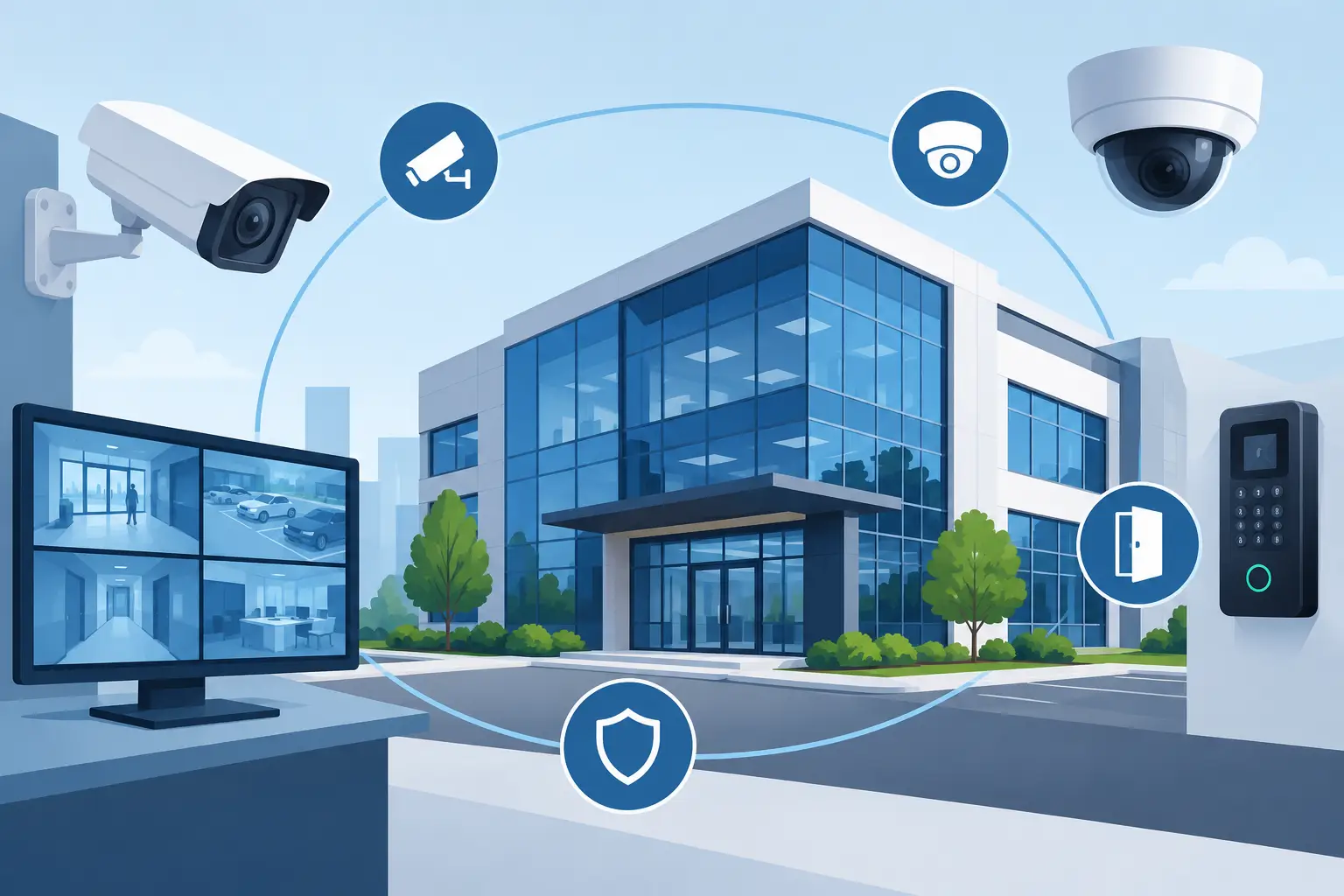
Cameras, intrusion alarms, badge systems, license plate recognition, sensors, and remote monitoring can improve awareness across a large site. They can document activity, alert personnel to an access issue, and help security teams direct responders to the right location.
However, technology requires active management. Cameras need proper placement and maintenance. Alarm signals need a defined verification and response process. Access privileges need regular review, especially after employee departures, role changes, or contractor project completion.
The strongest programs connect technology to trained human response. When an alarm activates, someone must determine whether it is a false alarm, a safety issue, or a genuine threat. A rapid, informed response protects the facility while reducing unnecessary disruption to operations.
Choosing the Right Security Partner
For critical sites, security vendors should be evaluated on operational capability rather than promises alone. Leadership should ask how officers are selected and trained, how post orders are developed, how supervisors maintain accountability, and how quickly the provider can adjust staffing during a heightened threat or emergency.
Experience in complex environments is valuable, but so is the willingness to learn the client’s operation. A security team cannot protect what it does not understand. The provider should take time to understand shift schedules, restricted processes, emergency contacts, facility rules, and business priorities.
At Springfield Private Security, this approach centers on customized physical risk management that supports the client’s mission. Veteran-led discipline, responsive supervision, and practical security planning help organizations maintain a professional protective presence without interfering with daily operations.
For organizations operating in California and Nevada, planning should also account for local conditions. Wildfire, extreme heat, civil disruptions, remote geography, and high-volume transportation corridors can affect staffing, access, evacuation routes, and response times. A security plan should be reviewed as operations, threats, and local conditions change.
Security Is an Operating Requirement
Critical infrastructure protection is not a static assignment that can be set once and forgotten. Facilities change, staffing changes, projects introduce new contractors, and external risks shift. Regular reviews of incidents, access records, patrol findings, and response performance keep the program aligned with the real environment.
The most useful next step is often straightforward: walk the facility with a security professional during normal operations and after hours. The difference between how a site is designed to function and how it actually functions is where meaningful improvements are found.