A propped-open rear door, an employee working alone after hours, or an unfamiliar person moving through a restricted area can become a serious incident faster than most organizations expect. The top workplace security risks are rarely limited to one dramatic threat. More often, they develop through small gaps in access control, communication, staffing, and emergency readiness.
For business owners, property managers, and operations leaders, the objective is not to turn a workplace into a fortress. It is to protect people, property, and operations with security measures that fit the environment and allow legitimate business to continue without unnecessary friction.
The Top Workplace Security Risks Facing Businesses
Every site has a different risk profile. A retail location may face theft and customer confrontations, while a corporate office may be more concerned with visitor access, employee safety, and sensitive information. Industrial facilities, healthcare environments, financial institutions, and event venues face additional exposures based on their operations, hours, assets, and public visibility.
The following risks deserve direct attention in any workplace security assessment.
1. Unauthorized Access and Tailgating
Unauthorized access is one of the most common security failures because it can look harmless at first. A visitor follows an employee through a badge-controlled door. A former employee retains a key or access credential. A delivery driver is allowed beyond the reception area without verification.
These gaps can lead to theft, vandalism, workplace violence, information exposure, or interference with operations. They also create liability concerns when an organization cannot establish who was on site during an incident.
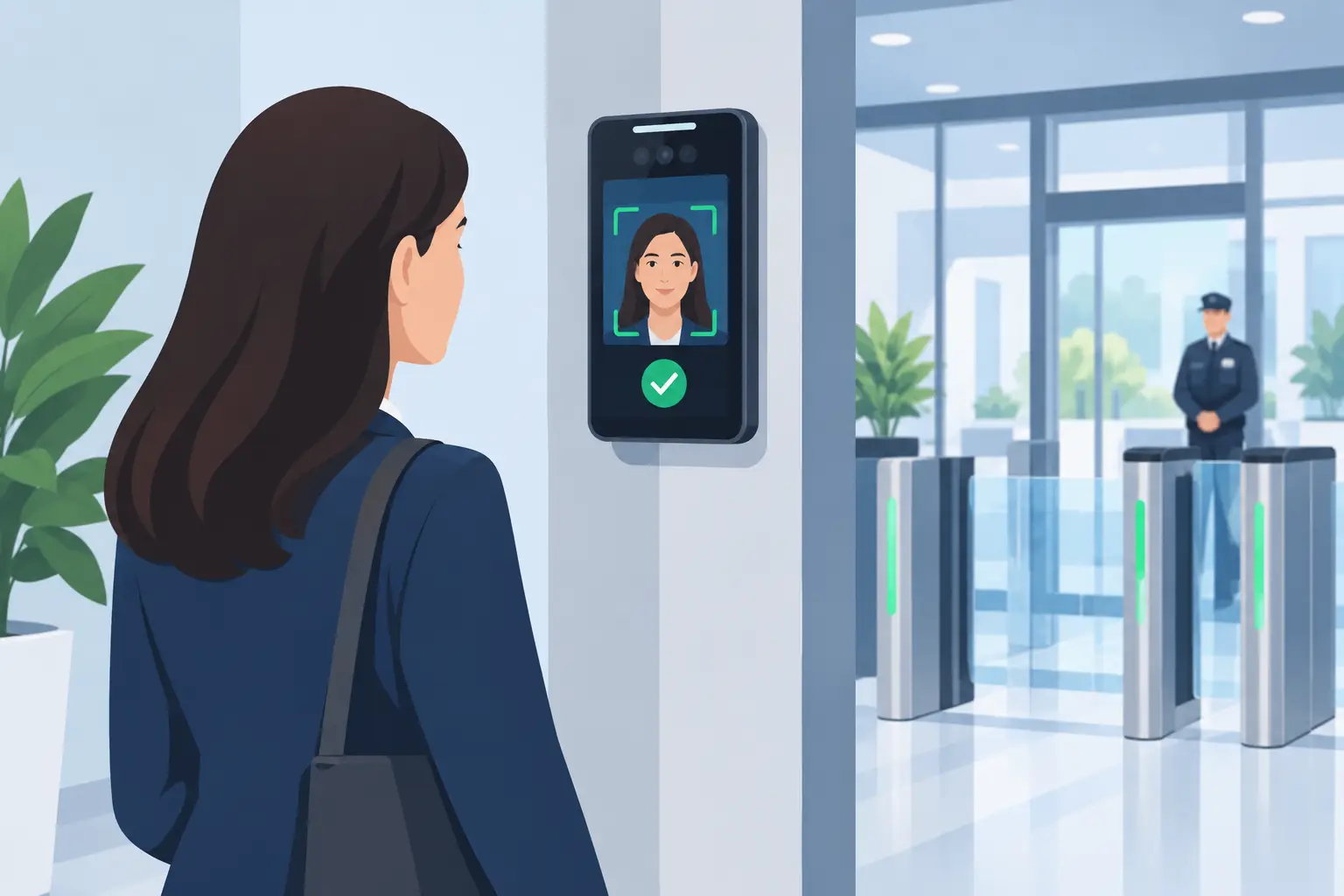
Effective access control combines physical and operational measures. Controlled entry points, visitor check-in procedures, credential management, locked secondary doors, and clear escort policies all matter. For higher-risk sites, trained security officers can verify visitors, monitor entry activity, and address access issues before they reach sensitive areas.
2. Workplace Violence and Escalating Behavior
Workplace violence is not always sudden or unpredictable. Many incidents are preceded by warning signs such as repeated confrontations, threats, stalking behavior, domestic disputes that follow an employee to work, or a visitor who refuses to comply with site rules.
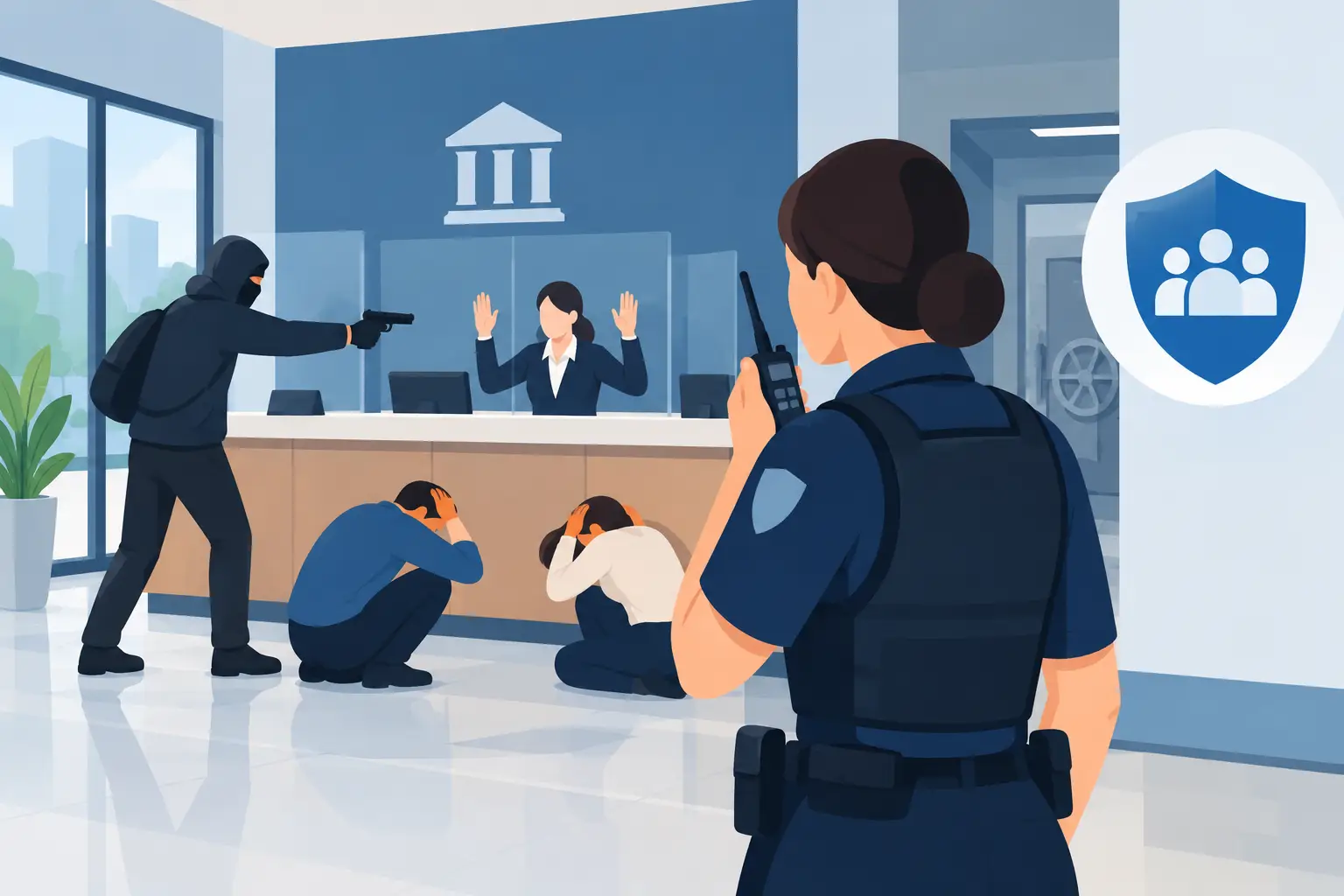
The right response depends on the situation. A public-facing business may need a visible officer who can de-escalate difficult encounters and request law enforcement support when necessary. An office or institution may need a confidential reporting process, coordinated threat assessment, and defined procedures for handling concerning behavior.
Employees should know who to contact, how to report a concern, and where to go if a threat develops. Managers should not be expected to handle potentially dangerous situations alone. A timely, measured response protects staff while reducing the chance that a manageable issue becomes a crisis.
3. Theft, Burglary, and Internal Loss
Theft affects more than inventory. Tools, equipment, fuel, data-bearing devices, product samples, cash, keys, and access cards can all be targets. Internal loss can be particularly difficult because it may involve trusted personnel, weak processes, or inconsistent supervision rather than an obvious break-in.
Security coverage should reflect what is being protected and when it is most vulnerable. A site with valuable equipment may need overnight patrols and perimeter checks. A business handling cash may need controlled access, documented handoffs, and officer presence during opening and closing. For multi-location organizations, consistent reporting helps identify recurring patterns that may otherwise appear unrelated.
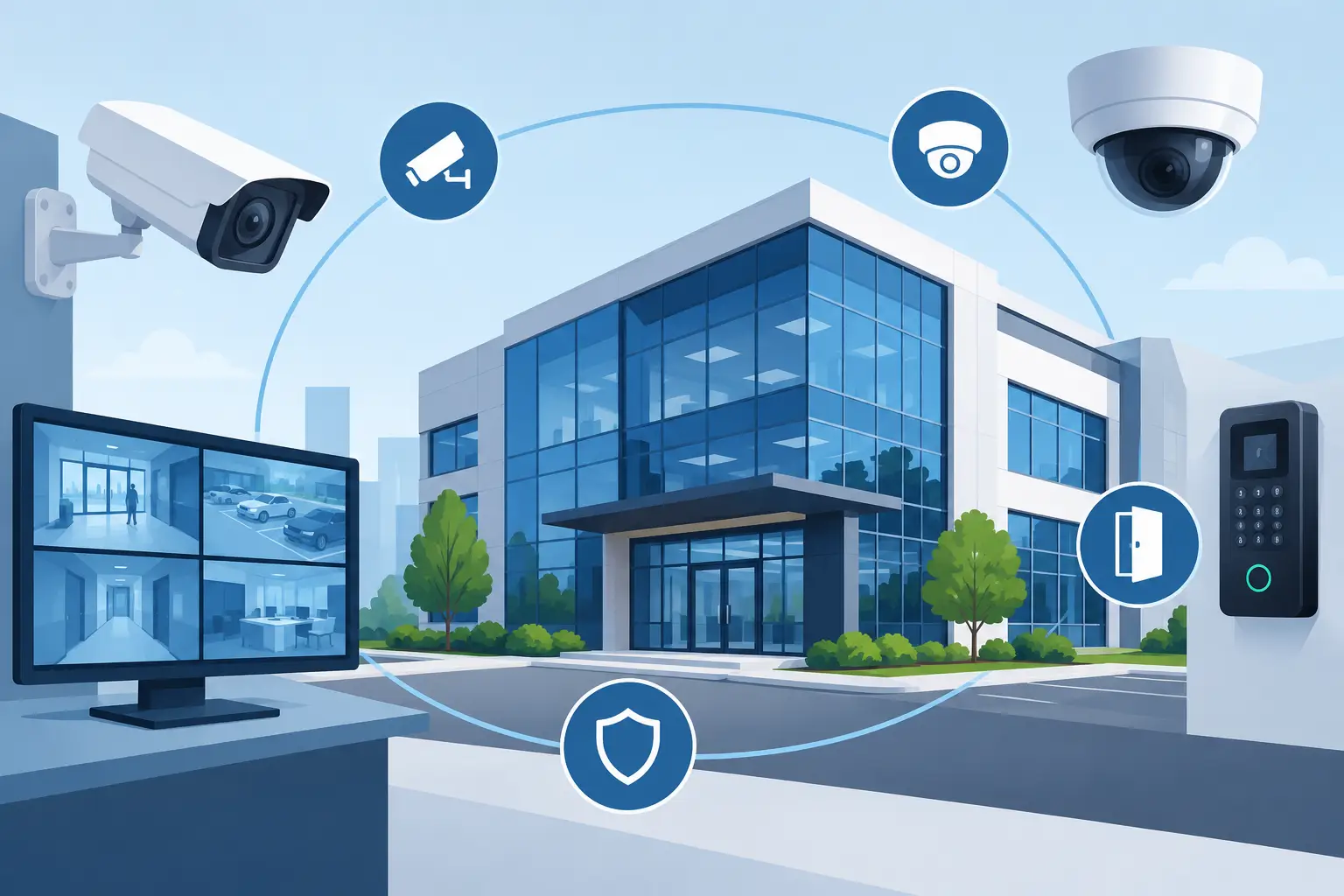
Cameras can support investigations, but they do not physically intervene. Visible patrols, access controls, inventory procedures, and responsive personnel provide a stronger deterrent when used together.
4. Poorly Managed Visitors, Vendors, and Contractors
Visitors are a normal part of business, but they can create risk when the process is informal. Contractors may need access to mechanical rooms, network closets, loading areas, or other spaces that employees do not regularly monitor. Vendors and temporary workers may enter during busy periods when staff are focused on operations rather than verification.
A practical visitor management process confirms identity, documents the purpose of the visit, limits access to necessary areas, and provides an escort when appropriate. The level of screening should match the site. A small professional office does not require the same controls as a critical infrastructure facility, but both need a clear standard that staff can follow consistently.
The goal is accountability, not inconvenience. When employees know how to receive visitors professionally and securely, the process becomes part of normal operations.
5. Weak Emergency Response Procedures
A security plan is only useful if people can act on it under pressure. Fire alarms, medical emergencies, active threats, severe weather, utility failures, and civil disturbances all require different responses. Confusion during the first few minutes can increase injuries, property damage, and downtime.
Organizations should establish clear roles for evacuation, sheltering, emergency notifications, accountability, and contact with first responders. These procedures should be reviewed and practiced, especially after changes in staffing, facility layout, operating hours, or tenant occupancy.
Security personnel can play an important role during emergencies by directing people to safe areas, securing access points, coordinating with management, preserving incident information, and supporting first responders. The value of a trained presence is often most visible when normal routines break down.
6. After-Hours and Lone-Worker Exposure
Many workplaces are secure during business hours but become vulnerable at opening, closing, or overnight. Employees leaving alone may be exposed in parking areas. Maintenance crews, warehouse personnel, and front-desk staff may work without immediate support. Empty buildings can attract trespassing, burglary, or vandalism.
After-hours security should focus on the conditions people actually face. Well-lit parking areas, controlled building access, scheduled mobile patrols, welfare checks, alarm response, and escort services can reduce exposure. A patrol officer who checks doors, gates, perimeter conditions, and suspicious activity also provides a visible deterrent without requiring a full-time officer at every location.
For isolated employees, communication matters as much as physical security. They need a reliable way to request assistance and a process for confirming they have safely completed their shift or task.
7. Cyber-Physical Security Gaps
Physical and cyber security are increasingly connected. An unsecured server room, unattended laptop, exposed network equipment, or unauthorized person in an employee-only area can create a digital security problem as well as a physical one.
This risk is often overlooked when departments operate separately. Facilities teams may manage keys and doors, while IT manages systems and credentials, with no shared process for employee departures, vendor access, or incident reporting. That separation can leave former employees with active badges, keys, passwords, or knowledge of site vulnerabilities.
A coordinated approach helps close these gaps. Access should be removed promptly when roles change, restricted areas should be clearly controlled, and physical security incidents that may affect systems or data should be communicated to the appropriate teams without delay.
8. Event Crowds and Temporary Security Needs
Events create a concentrated security challenge. Guest traffic increases, normal access patterns change, and staff may be asked to manage unfamiliar people, parking congestion, alcohol service, protests, VIPs, or large cash transactions. Even a well-run facility can become difficult to control when temporary conditions are not planned in advance.
Event security should be based on the venue, attendance, audience, schedule, entry points, and credible threats. The right plan may include visible officers, bag or credential checks, controlled entry lanes, parking coordination, roving patrols, and a direct communication plan with event organizers.
Security should support the guest experience while maintaining order. A professional officer presence can provide reassurance and quick assistance without making a business event feel unnecessarily restrictive.
Turning Risk Awareness Into a Security Plan
Identifying top workplace security risks is the first step. The next is deciding which risks are most likely, which would cause the greatest operational impact, and which controls will produce meaningful improvement within the available budget.
Start with a site-specific assessment. Review entry points, parking areas, lighting, existing cameras and alarms, visitor flow, high-value assets, shift changes, incident history, and nearby conditions. Speak with employees who work at different times of day. They often identify problems that are not visible during a daytime walkthrough.
Then build procedures people can realistically follow. A policy that requires multiple approvals for every visitor may not work at a busy commercial site. On the other hand, an informal policy that relies entirely on employees recognizing familiar faces will eventually fail. The most effective controls are clear, practical, and consistently enforced.
Finally, establish an incident response standard. Decide who receives reports, when supervisors are notified, when law enforcement is contacted, how incidents are documented, and how corrective actions are tracked. Reliable reporting turns individual events into useful operational intelligence.
At Springfield Private Security, the focus is on building coverage around the way a client operates, whether that requires on-site officers, mobile patrol, rapid response, or a broader risk-management plan. Security works best when it is prepared, professional, and aligned with the business it protects.
The right time to address a security gap is before it becomes an incident report, a disrupted operation, or a preventable injury. A disciplined assessment and a dependable response plan give your people a safer place to work and your organization a stronger position when conditions change.