A locked door does not provide much protection if one unauthorized person can enter every time an employee badges in. Tailgating, also called piggybacking, is one of the most common physical access control failures because it relies on normal human behavior: courtesy, haste, distraction, or reluctance to challenge someone at the door. Knowing how to prevent tailgating requires more than installing a card reader. It requires clear procedures, effective design, trained personnel, and a response plan that fits daily operations.
For property managers, operations leaders, and business owners, the issue is not simply whether an unauthorized person enters a restricted area. It is whether the organization can account for who is on-site, protect people and assets, and respond quickly when access rules are bypassed.
Why Tailgating Creates a Serious Security Gap
Tailgating occurs when an unauthorized person follows an authorized employee, contractor, or visitor through a secured entrance without presenting their own credential. It can happen at a lobby turnstile, warehouse side door, parking gate, employee entrance, loading dock, data center, or restricted office suite.
The person tailgating may look legitimate. They may wear business attire, carry a box, claim to have forgotten a badge, or walk closely behind an employee during a busy shift change. That is precisely why the risk is easy to underestimate. A single entry can expose sensitive records, inventory, equipment, intellectual property, employees, and guests.
The consequences also extend beyond theft. Untracked access weakens emergency accountability, complicates incident investigations, and can create compliance concerns in healthcare, financial services, education, government-adjacent operations, and critical infrastructure. In higher-risk environments, tailgating may be an early sign of reconnaissance rather than an isolated policy violation.
How to Prevent Tailgating With Layered Controls
No individual control stops every attempt. The strongest approach combines physical barriers, technology, operating procedures, and visible security oversight. Each layer addresses a different point of failure without making legitimate entry unnecessarily difficult.
Start With the Access Points That Matter Most
Begin with a site-specific review. Not every door deserves the same level of control, but every access point should have a defined purpose. Identify entrances used by employees, visitors, vendors, deliveries, after-hours staff, and emergency personnel. Then determine which doors lead directly into sensitive areas and which are routinely propped open or poorly observed.
Pay particular attention to busy periods. Shift changes, lunch breaks, event arrivals, deliveries, and closing time are common opportunities for tailgating because employees are focused on their schedules rather than access control. A door that functions well at 10:00 a.m. may become a weak point at 7:30 a.m. when dozens of people enter at once.
A practical assessment should also consider sightlines. If an access door is hidden from reception, cameras, or regular staff activity, it is more likely to be exploited. Relocating a reader, improving lighting, adding signage, or changing the traffic flow can sometimes reduce risk before major equipment upgrades are needed.
Use Physical Barriers That Enforce One-Person Entry
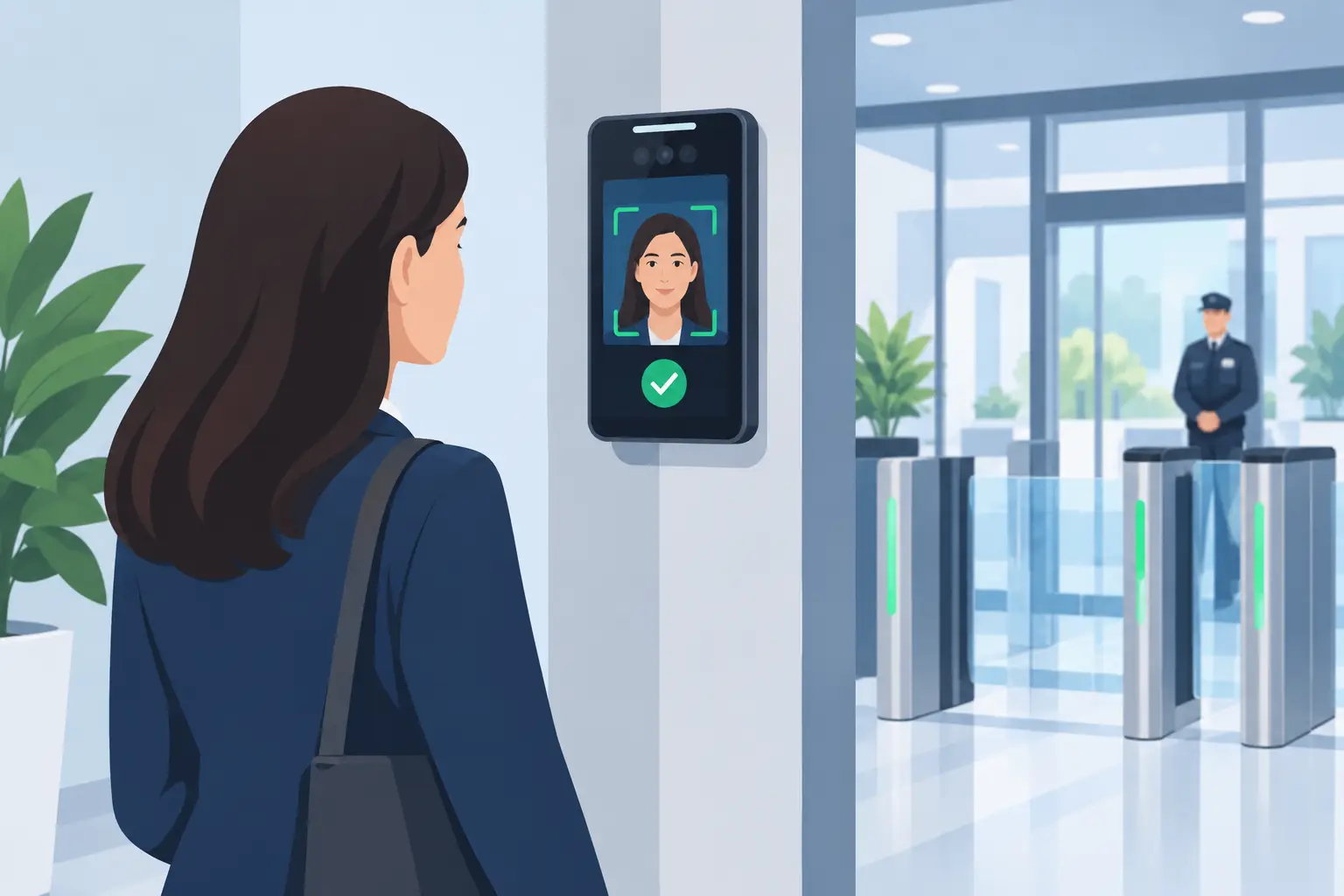
The best physical controls make it difficult to follow someone through an entry point unnoticed. Depending on the facility and risk level, this may include optical turnstiles, waist-high turnstiles, full-height turnstiles, mantraps, secured vestibules, or controlled vehicle gates.
A mantrap or interlocking-door vestibule provides a higher level of control because one door must close before the next door opens. This is often appropriate for data rooms, labs, financial institutions, controlled inventory areas, and other locations where a single unauthorized entry carries significant consequences. It may be excessive for a low-risk office suite, where a monitored reception process and properly configured access door may be more practical.
Door hardware matters as well. Doors should close and latch consistently, with no gap that allows someone to hold them open easily. Propped-door alarms, door-position monitoring, and delayed egress alerts can help staff identify exceptions quickly. Any configuration must preserve safe emergency egress and comply with applicable fire and building requirements. Security controls should never prevent people from exiting safely during an emergency.
Make Individual Credentials Non-Negotiable
Every person entering a restricted area should use their own credential. That principle sounds simple, but it breaks down when badges are shared, mobile credentials are not issued promptly, or contractors are given informal access arrangements.
Establish a clear credential policy: employees use their own badge or approved mobile credential, visitors check in and receive temporary identification, and vendors enter through a verified process. Deactivate access promptly when an employee separates from the organization or when a contractor’s work is complete.
Anti-passback features can add another layer by preventing a credential from being used repeatedly to admit multiple people or by requiring an exit record before the same credential can reenter. These settings can be useful, but they require careful planning. In facilities with multiple exits or changing work patterns, overly rigid settings can create false alarms and administrative burden. Technology should support the operating reality of the site, not create workarounds that staff will ignore.
Train Employees to Challenge Politely and Consistently
Most tailgating succeeds because an employee holds the door out of habit or assumes someone else has verified the person’s access. Training should replace that assumption with a simple, repeatable action.
Employees do not need to act confrontational. They can say, “For security, everyone needs to badge in separately,” or “Please check in at reception, and they will be glad to assist you.” The goal is to direct the person into the established process, not to debate their reason for entry.
Managers should reinforce that following the policy is not rude. It protects coworkers, visitors, and the organization. This is especially important when the person seeking entry appears senior, familiar, or in a hurry. Access rules must apply consistently to executives, staff, vendors, and guests, or employees will receive mixed signals about when to enforce them.
Training should cover what employees should do if the individual becomes evasive, aggressive, or refuses to comply. In those cases, employees should not physically block or detain the person unless they are trained and authorized to do so. They should move to a safe position, notify security or management, and provide a clear description, direction of travel, and location.
Build a Visitor Process That Does Not Create Friction
A poorly designed visitor process encourages people to bypass it. If guests cannot find reception, wait too long for a host, or receive unclear instructions, they may follow an employee through the nearest door. The answer is not to relax access rules. It is to make compliant entry straightforward.
Use visible visitor signage at public entrances and make the check-in point easy to locate. Pre-register expected visitors when possible, notify hosts when their guests arrive, and provide temporary badges that clearly distinguish visitors from staff. For larger campuses and events, separate guest arrival routes from employee entrances whenever possible.
Delivery and service personnel require similar attention. Loading docks, rear doors, and service corridors are frequently overlooked because they are operational areas rather than customer-facing spaces. Schedule deliveries when staff can receive them, verify vendors, and establish where drivers and technicians may wait until escorted.
Put Security Personnel Where They Can Deter and Respond
Visible, professional security presence changes behavior. An officer stationed near a primary entrance can verify visitors, observe access patterns, discourage opportunistic tailgating, and respond before an unfamiliar person reaches a sensitive area. Mobile patrols can extend that coverage to secondary doors, parking areas, and perimeter access points.
The appropriate level of coverage depends on the site. A small office may need periodic patrol checks and a defined reception protocol. A distribution facility may need coverage during shift changes and delivery windows. A high-profile event or critical site may require dedicated access control officers, credential screening, and rapid-response capability.
Springfield Private Security approaches these decisions through the operational needs of the facility. Effective security should be visible where it needs to be, responsive when conditions change, and integrated in a way that supports business continuity.
Monitor, Report, and Improve After Every Incident
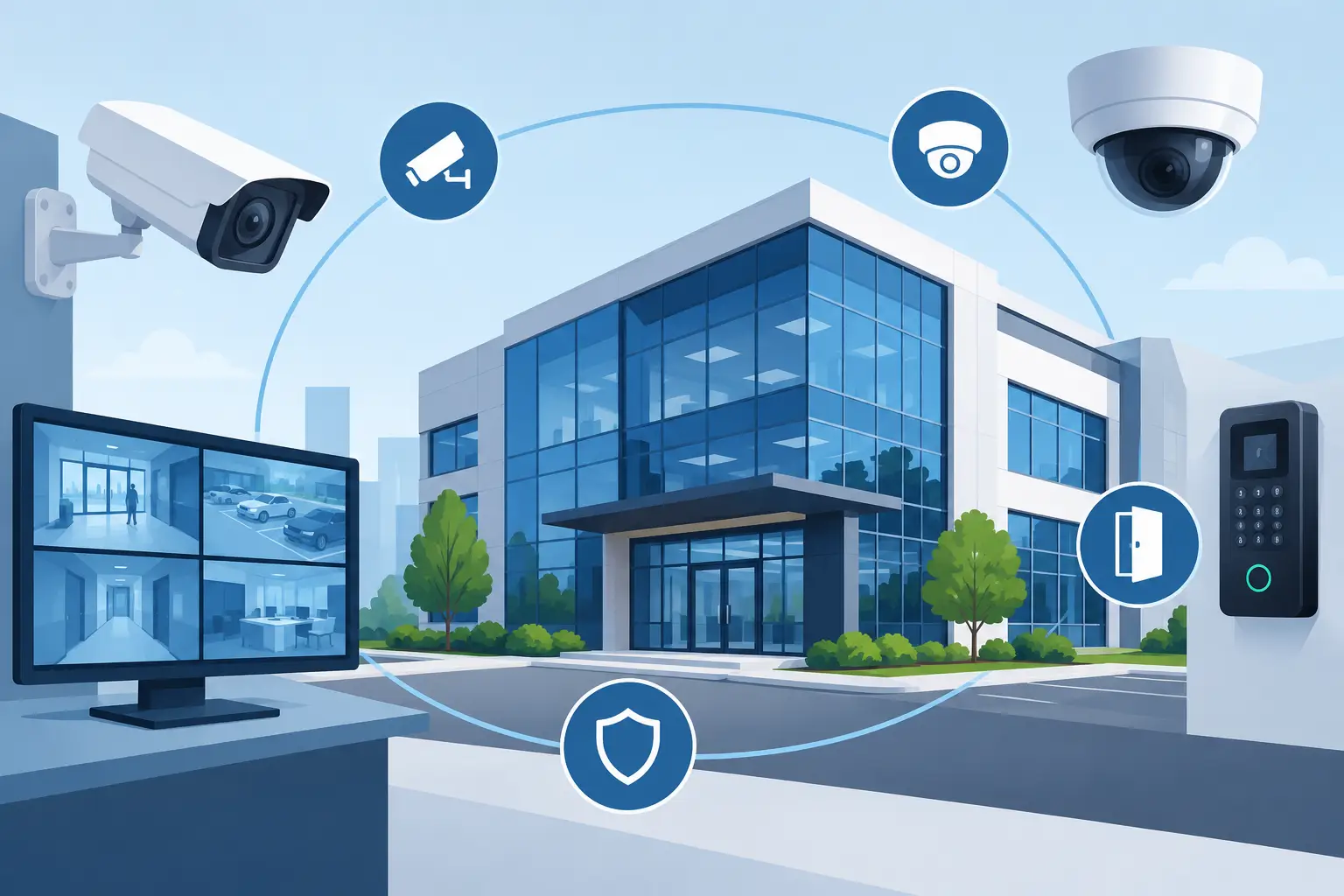
Cameras, access logs, and alarm notifications are valuable only when someone reviews them and acts on what they show. Place cameras to capture faces and the movement through secured doors, not simply the door itself. Confirm that footage is retained for an appropriate period and that authorized personnel know how to retrieve it after an incident.
Employees should have a simple reporting path for suspected tailgating, propped doors, lost badges, or unfamiliar individuals in restricted areas. Reports should be treated seriously, even when they turn out to be harmless. A quick, professional verification is preferable to allowing repeated exceptions to become normal.
After an incident, review what failed. Was the door poorly positioned? Did an employee lack training? Was a visitor expected but not pre-registered? Did staffing levels leave an entrance unattended during a predictable rush? Correcting the specific gap is more effective than issuing a general reminder and hoping behavior changes.
A Practical Tailgating Prevention Checklist
A facility is better positioned to prevent tailgating when it has these controls in place:
- Defined access rules for employees, visitors, vendors, and deliveries.
- Individual credentials that are issued, monitored, and deactivated promptly.
- Doors, turnstiles, or vestibules appropriate to the risk of each area.
- Staff training that gives employees clear language and escalation procedures.
- Visitor check-in processes that are easy to find and easy to follow.
- Camera coverage, door alarms, and reporting procedures that support rapid action.
- Security staffing or patrols aligned with peak traffic and higher-risk locations.
Tailgating prevention works best when it becomes part of normal site discipline rather than an occasional enforcement campaign. When employees understand the purpose, visitors have a clear path to enter, and security personnel can respond without delay, access control protects the operation without getting in its way.