A distribution center loses power during a heat event. A water facility receives a credible threat while a contractor is on site. A communications hub is targeted by theft that initially appears to be routine vandalism. These are not isolated security problems. Emerging threats to critical infrastructure increasingly combine physical intrusion, cyber disruption, insider access, and pressure on operations at the same time.
For organizations responsible for utilities, transportation assets, data facilities, healthcare support systems, manufacturing sites, financial institutions, and large commercial properties, the objective is not simply to prevent every incident. It is to identify what could interrupt essential operations, detect warning signs early, protect people, and maintain control when conditions change quickly.
Why Emerging Threats to Critical Infrastructure Demand Attention
Critical infrastructure depends on interconnected systems. Power supports communications. Communications support emergency response. Water, fuel, logistics, and data systems each rely on employees, vendors, equipment, and access points that can become vulnerabilities.
That interdependence changes the risk picture. A damaged gate, stolen copper, compromised badge, or suspicious drone may seem limited on its own. In the wrong location, however, it can delay repairs, expose a restricted area, disrupt a service provider, or create an opening for a more serious incident.
Threat actors are also more adaptable. Some are motivated by theft or opportunity. Others may be seeking disruption, publicity, retaliation, or intelligence. Facilities should avoid treating every unusual event as proof of a sophisticated attack, but they should also avoid dismissing repeated anomalies as routine. Good security operations separate speculation from facts while acting quickly on credible indicators.
For California and Nevada organizations, environmental and operational stress adds another layer. Wildfire conditions, extreme heat, water constraints, public events, labor activity, and long supply routes can all strain normal procedures. A security plan that works only under ordinary conditions is not a continuity plan.
The Threats Operations Leaders Are Seeing
Cyber-physical disruption
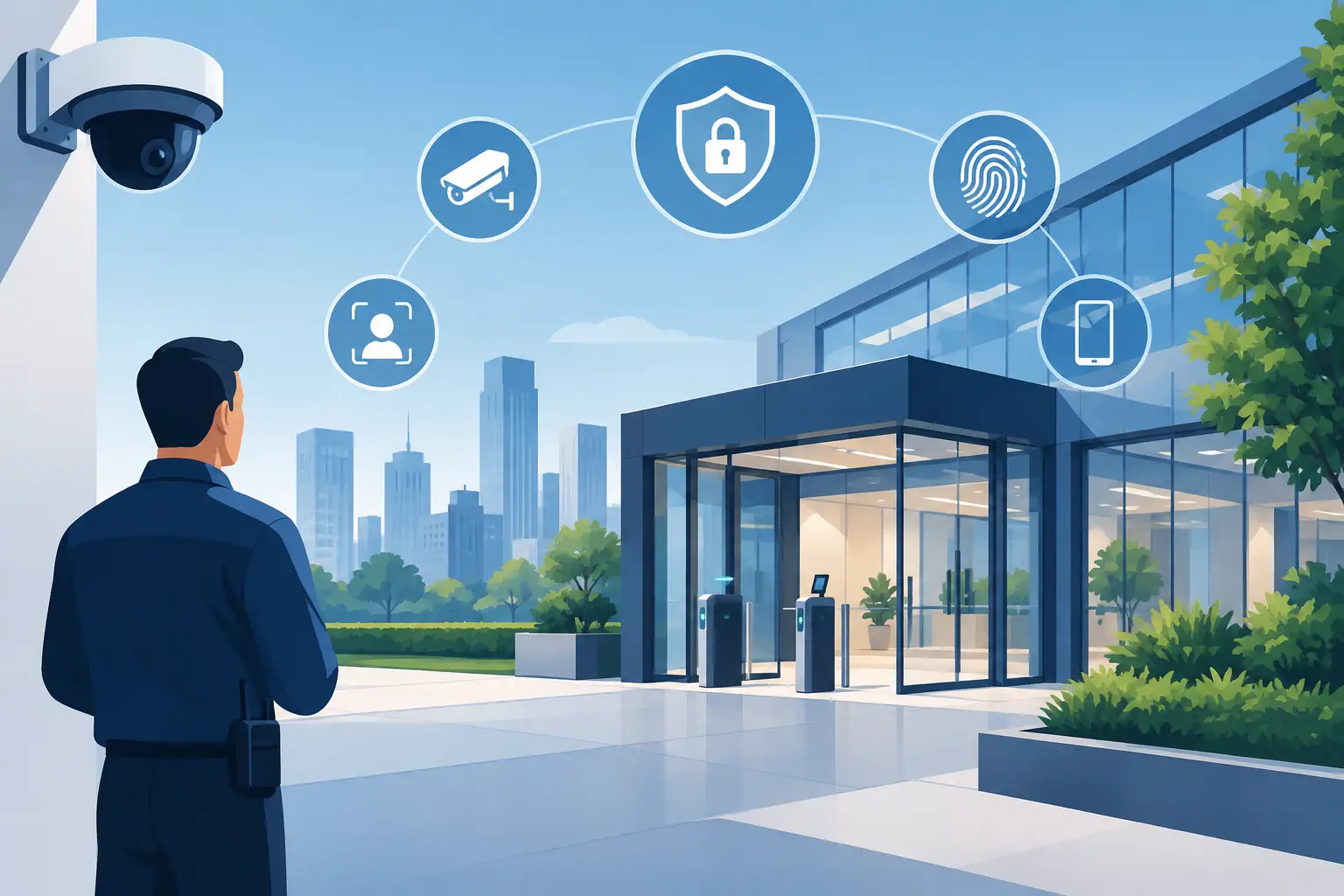
Cybersecurity and physical security can no longer operate as separate disciplines. Unauthorized access to a building management system, surveillance platform, alarm panel, industrial control environment, or employee credential database can create physical consequences. Conversely, physical access to network closets, control rooms, cameras, and maintenance areas can enable a cyber incident.
The practical response is coordination. Security officers, facilities teams, IT personnel, and site leadership need clear procedures for reporting abnormal activity. An alarm failure, unfamiliar device, forced cabinet, or repeated badge-reader error may require both physical inspection and technical review. The first responder does not need to diagnose the full problem. They need to preserve the scene, notify the right people, and prevent the issue from expanding.
Insider and contractor risk
Employees, temporary workers, delivery personnel, vendors, and contractors are essential to facility operations. They also create access complexity, especially at sites with changing shifts, multiple entrances, and frequent service work.
Insider risk is not limited to malicious employees. It can include an authorized person who bypasses a procedure to save time, props open a door, shares a credential, or fails to challenge an unfamiliar visitor. The most effective countermeasure is not suspicion of every worker. It is consistent access control, visible supervision in sensitive areas, and a culture where personnel can report concerns without unnecessary friction.
Contractor management deserves particular attention. Verify identities, define where vendors may work, control keys and badges, and ensure departures are documented. At high-risk sites, escort requirements and time-limited access may be appropriate. The right level of control depends on the asset, the work being performed, and the operational consequences of unauthorized entry.
Drones and remote observation
Small unmanned aircraft can be used to observe site layouts, security posts, equipment, schedules, and response patterns. They may also distract personnel or create safety concerns near facilities and events. Not every drone is a hostile act, particularly near commercial or public locations, but a repeated pattern over restricted areas should be documented and assessed.
A workable drone response plan identifies who observes and reports the device, how video or photographs are preserved, which restricted areas require an immediate check, and when law enforcement or aviation authorities should be notified. Personnel should not take unsafe action or attempt improvised countermeasures. The priority is protecting people, documenting facts, and maintaining control of the site.
Theft, sabotage, and opportunistic intrusion
Theft of fuel, tools, metals, batteries, electronics, and specialized components remains a direct operational threat. Beyond replacement costs, stolen equipment can delay maintenance, reduce redundancy, expose energized systems, or create safety hazards.
Sabotage is less common, but its potential impact is high. Indicators can include cut fencing near critical equipment, tampered locks, altered valves or controls, unusual markings, repeated probing of access points, or individuals testing response times. These signs require disciplined reporting. A site should know what normal looks like, because early incident detection depends on recognizing when something is not normal.
Coordinated disruption and public-facing risk
Some facilities must remain accessible to customers, patients, tenants, visitors, or the public. That creates a difficult balance: security must be visible enough to deter and respond, but not so restrictive that it interrupts legitimate business or essential services.
Public demonstrations, contentious labor issues, contentious political events, and misinformation can rapidly affect a facility’s risk profile. The concern is not lawful activity itself. The concern is whether activity creates blocked access, threats, property damage, conflict between groups, or a diversion from another vulnerability. Pre-event planning, designated points of contact, controlled access routes, and trained security personnel help organizations protect rights and safety at the same time.
Build a Security Posture Around Operations
Effective protection begins with a site-specific risk assessment. Generic post orders and standard patrol routes are not enough for facilities with essential functions. Leaders should identify the assets that matter most, the dependencies that keep them running, the points where access can be gained, and the actions that would cause the greatest interruption.
This process should include more than fences and cameras. Review shift changes, visitor practices, contractor activity, loading areas, utility rooms, rooftop access, remote gates, key control, parking areas, and after-hours operations. Talk with supervisors who understand where delays, shortcuts, and recurring problems occur. Their operational knowledge often reveals risks that are not visible on a floor plan.
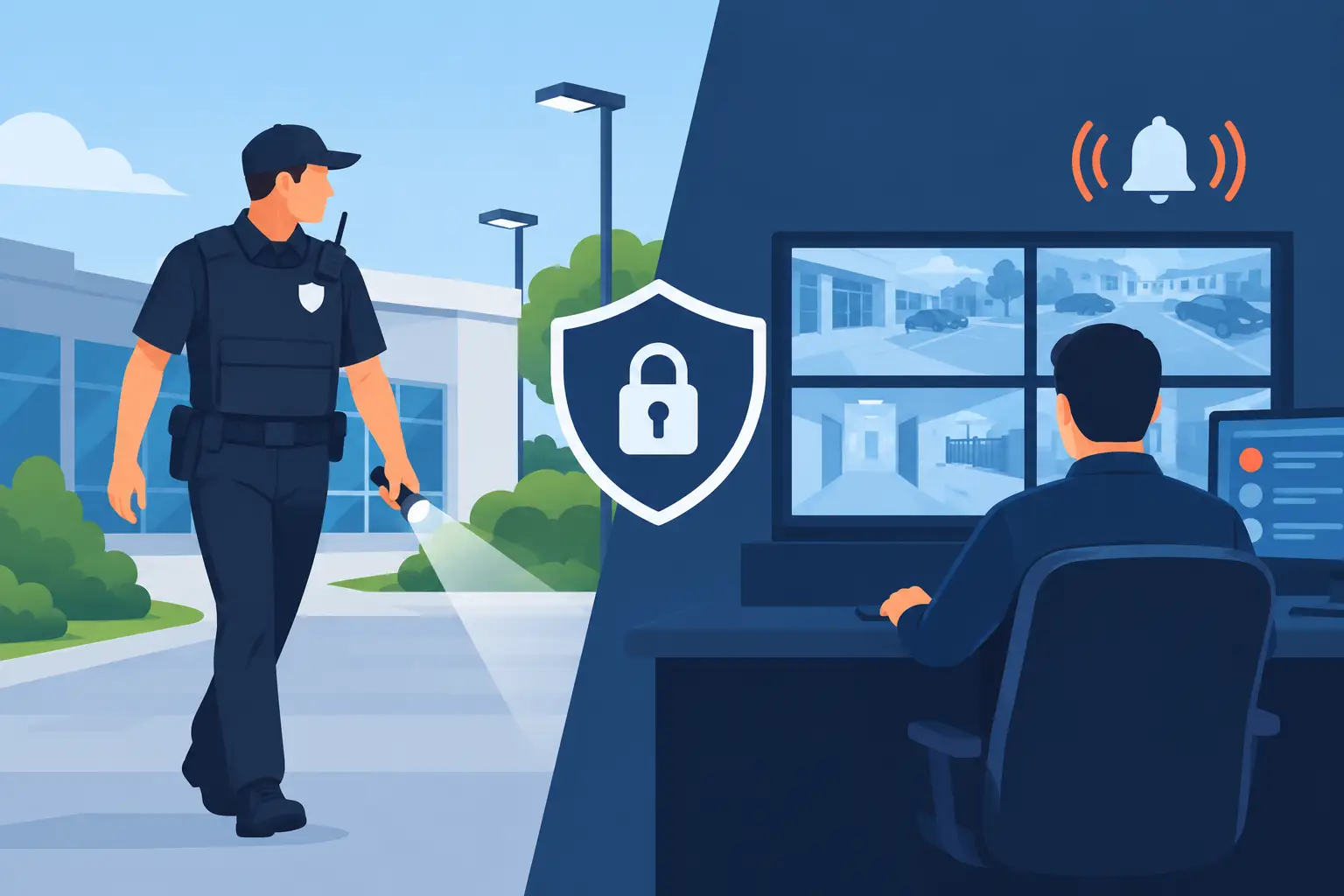
From there, establish layered protection. This may include trained officers at key access points, mobile patrols for large or multi-site properties, monitored surveillance, lighting improvements, access-control procedures, and rapid-response protocols. Layers matter because any single measure can fail. A camera may record an incident without stopping it. A locked gate may be bypassed. A patrol officer can add deterrence, observation, and immediate decision-making that technology alone cannot provide.
The level of visible security should fit the environment. An armed presence may be appropriate for high-risk financial, utility, or sensitive facilities, while unarmed officers, patrol services, and controlled visitor management may better serve a corporate campus or commercial property. The decision should follow the threat assessment, liability considerations, legal requirements, and business objectives.
Prepare People to Act in the First Minutes
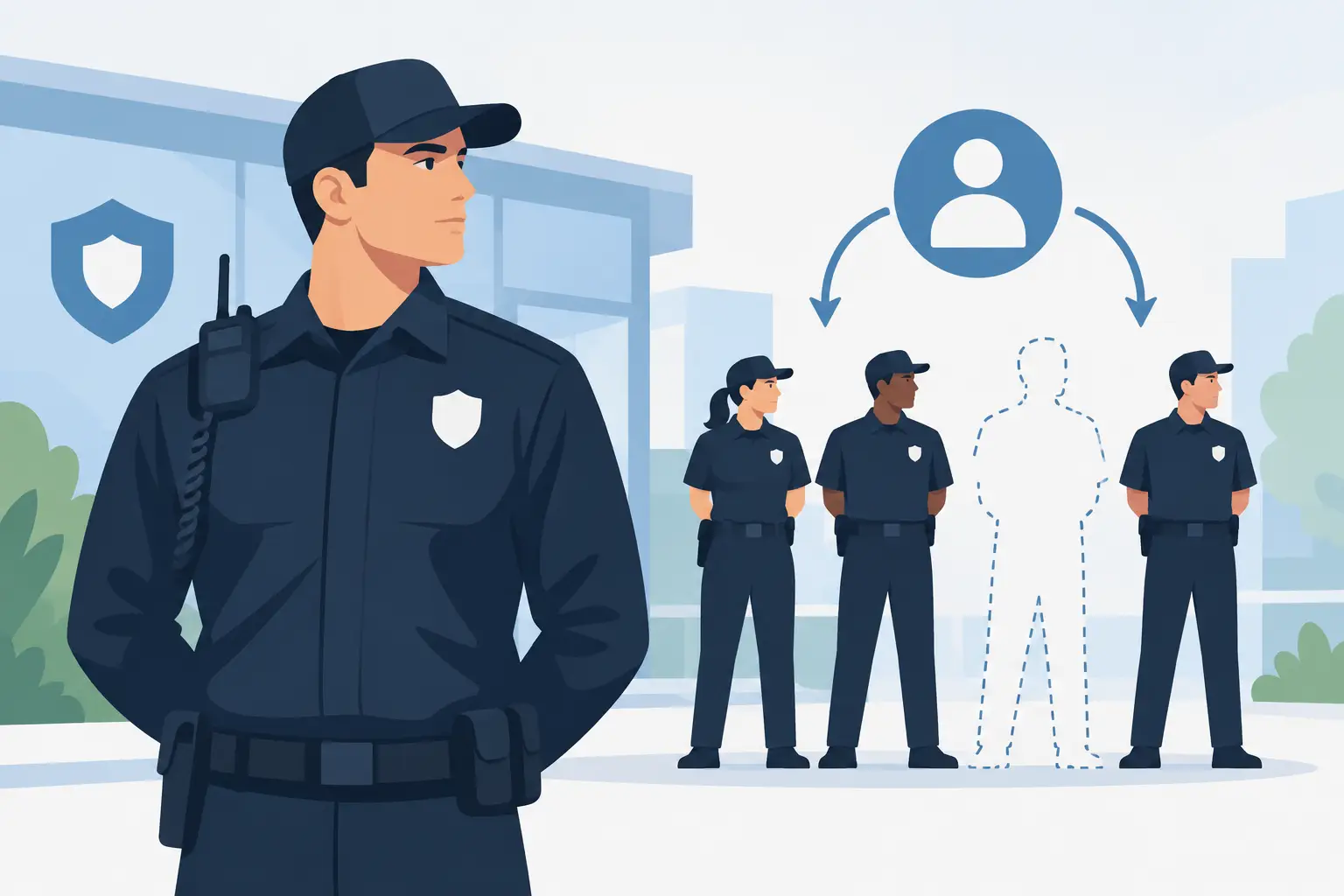
The first minutes of an incident often determine whether it remains manageable. Personnel should know how to report suspicious activity, protect themselves, preserve access to emergency routes, and communicate with site leadership. They should not be expected to confront every situation or make decisions beyond their training.
Clear escalation procedures are especially valuable when operations run around the clock. Define who receives an after-hours call, who can authorize a shutdown or evacuation, how responding officers access the property, and how information is shared with law enforcement, fire personnel, IT, and facilities teams. Test those procedures through realistic exercises rather than relying on a binder that no one has opened in a year.
A veteran-led security partner can support this work by aligning officer coverage, patrol patterns, incident reporting, and response procedures with the facility’s actual operating needs. Springfield Private Security approaches protection as an operational responsibility: keep the right people informed, protect the site without unnecessary disruption, and respond with discipline when conditions demand it.
Critical infrastructure protection is not a one-time project. Review incidents, near misses, maintenance changes, staffing shifts, and local conditions on a regular schedule. The best time to improve a response plan is before a damaged door, failed system, or suspicious visitor becomes the event that tests it.