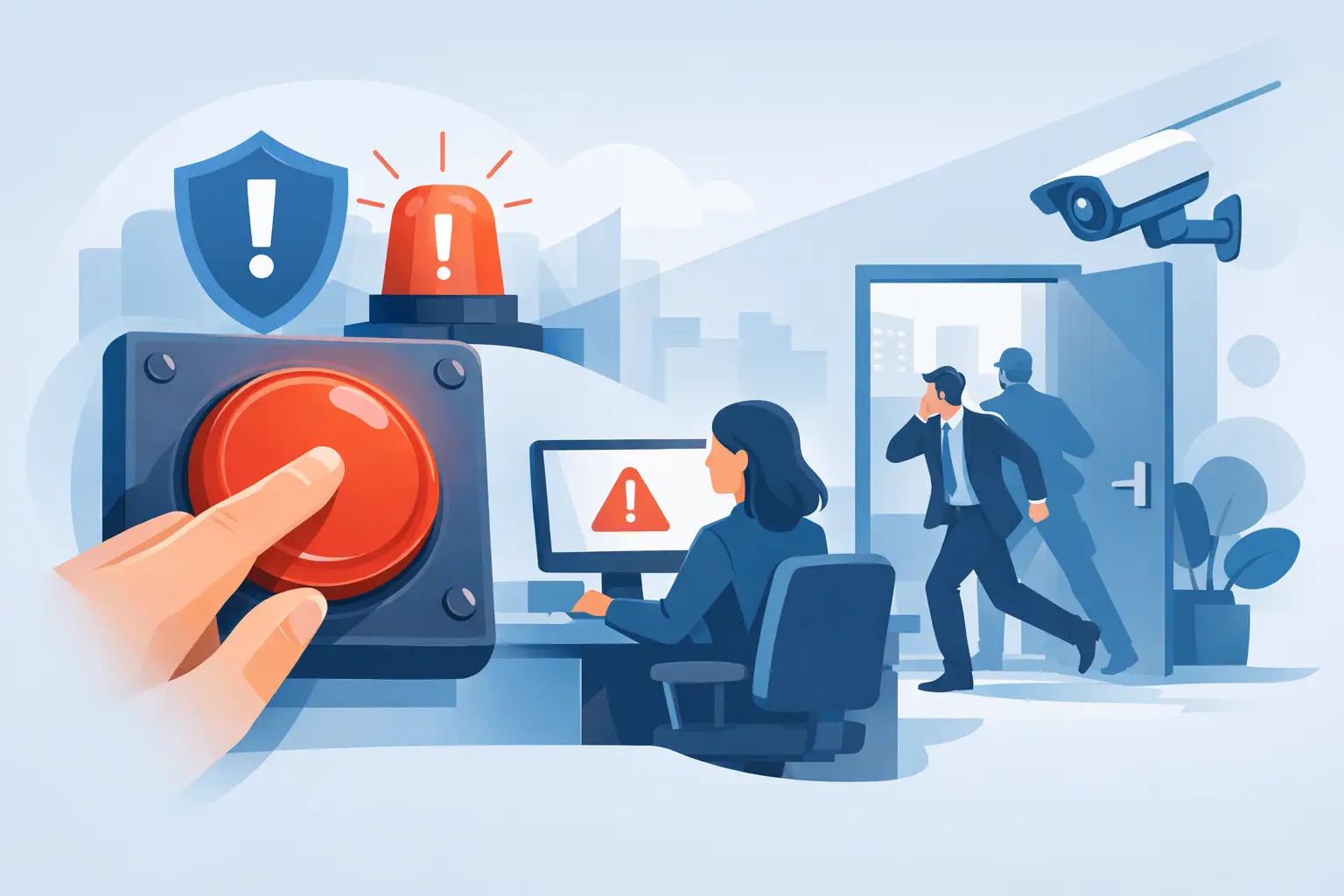
A forced door at 2:00 a.m., an unauthorized visitor at a reception desk, a crowd forming near an event entrance: these situations do not wait for a committee meeting. The future of physical security will be defined by how quickly an organization can identify a developing problem, make a sound decision, and take appropriate action without bringing normal operations to a halt.
For business owners, property managers, and operations leaders, the goal is not to add technology for its own sake. It is to build a protection program that reduces risk, supports employees and visitors, and gives leadership clear control when conditions change. That requires more than cameras or a guard at the front gate. It requires coordinated people, procedures, technology, and response capability.
The Future of Physical Security Starts With Risk
Security planning has often been reactive. A business experiences theft, vandalism, trespassing, workplace violence, or an access-control failure, then adds a measure to address that specific event. While corrective action is necessary, it can leave gaps between separate systems and policies.
A stronger approach begins with the operational realities of the site. A distribution facility, a financial institution, a corporate office, a construction project, and a public event face different threat profiles. The hours of operation, visitor volume, cash handling, employee concerns, critical assets, surrounding area, and emergency response requirements all affect the right security posture.
This is why a uniform security package is rarely the best answer. A visible officer may deter trespassing at one location, while another requires discreet executive protection, controlled visitor screening, mobile patrol coverage, or a detailed emergency plan. The right design depends on what must be protected and what disruption the operation can reasonably tolerate.
The most effective programs treat physical security as a business function. They protect people first, but they also preserve continuity, reduce liability exposure, support regulatory requirements, and help employees work with confidence.
Technology Will Improve Detection, Not Replace Judgment
Cameras, access control, alarm monitoring, analytics, and remote communication tools are becoming more capable. Video systems can flag activity in restricted areas. Access-control platforms can show who entered a sensitive location and when. Mobile reporting tools can document incidents quickly and provide leaders with a clearer record of what occurred.
These tools matter because they can reduce the time between an incident beginning and someone recognizing it. Early detection gives a security team more options. A minor concern can be addressed before it becomes a facility shutdown, a safety emergency, or a law enforcement matter.
But technology produces information, not judgment. An alert may identify movement after hours, but it cannot always determine whether the person is a delivery driver, an employee who forgot a badge, or an intruder testing the perimeter. A camera can record escalating behavior, but a trained professional must assess the context, communicate with the right people, and choose a measured response.
For this reason, automated systems should support a defined response plan. Every alert should have an owner, an escalation path, and a standard for documentation. If a system sends dozens of false alarms each week, personnel will eventually treat it as background noise. Proper configuration, regular testing, and human oversight are what turn technology into a useful security asset.
Physical and Cyber Security Are Becoming Connected
The line between physical and cyber risk is becoming less distinct. A stolen access card, compromised camera account, unsecured networked door controller, or employee credential shared through a phishing attack can create a physical vulnerability. Likewise, unauthorized physical access to a server room or communications closet can lead to a serious data incident.
Organizations do not need to turn every security officer into an IT specialist. They do need physical security, facilities, HR, operations, and technology teams to communicate. Shared reporting procedures and clear authority during an incident can prevent small gaps from becoming larger failures.
The Security Officer Remains the Critical Decision-Maker
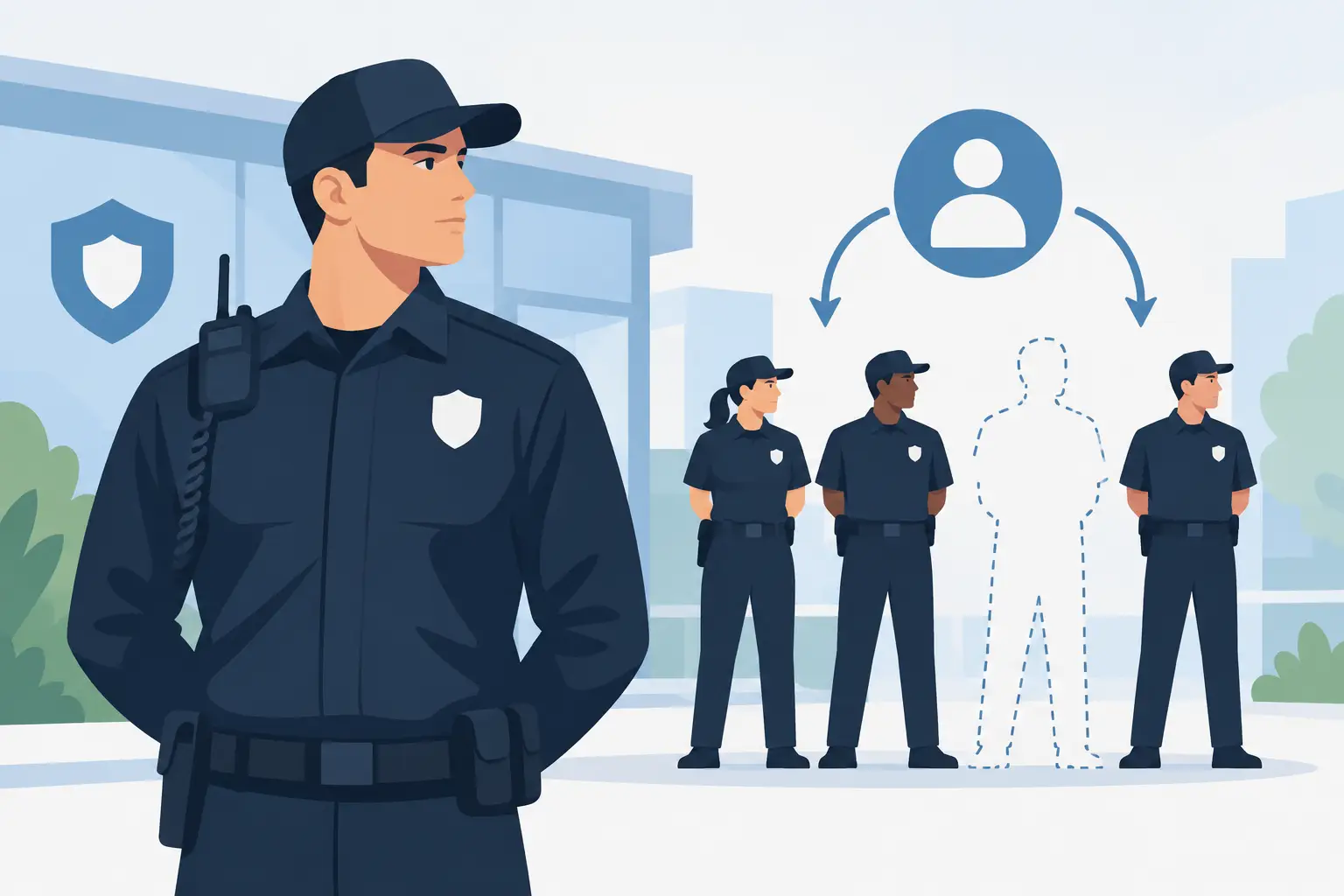
The role of the security officer is changing, not disappearing. Modern officers may use digital incident reports, body-worn communication tools, access-control dashboards, and real-time intelligence from a command center. Yet their core value remains human: presence, observation, communication, de-escalation, and immediate action.
A professional officer can notice a person who does not belong in an area, recognize changes in normal site activity, assist a distressed employee, preserve evidence, direct emergency responders, and keep a situation from escalating. Those responsibilities require training, sound judgment, and familiarity with the client environment.
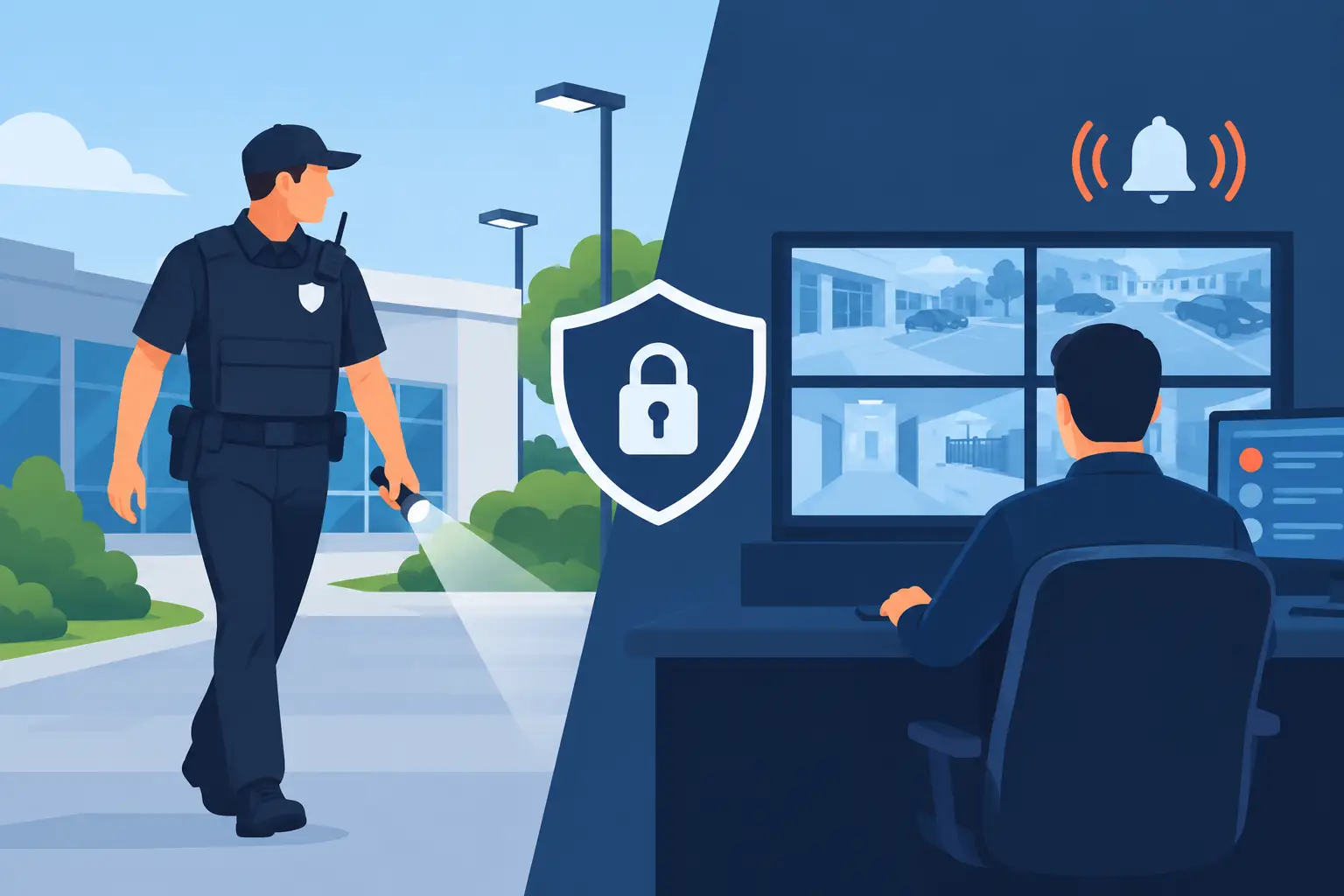
For many organizations, the best model is layered coverage. On-site officers handle visible deterrence and direct engagement. Mobile patrols extend coverage across larger properties or after-hours locations. Remote monitoring and access systems provide additional awareness. Rapid response procedures ensure that an event does not remain unresolved because the right person could not be reached.
The mix should reflect the site. A single high-traffic entrance may need a professional officer during business hours. A multi-location property portfolio may benefit more from scheduled and randomized mobile patrols backed by central reporting. An event may require crowd management, bag-check procedures, emergency access lanes, and a clear chain of command. Each use case calls for a different operating plan.
Security Must Fit Daily Operations
Security controls fail when people cannot reasonably follow them. Employees will prop open a door that makes deliveries difficult. Visitors will become frustrated when check-in procedures are unclear. Managers may bypass reporting requirements if the process is slow or confusing.
The answer is not to weaken controls. It is to design them around how the operation actually functions. This may mean creating separate entry procedures for employees, visitors, vendors, and contractors. It may mean positioning officers where they can observe without obstructing customer service. It may mean scheduling patrols around shift changes, deliveries, or periods of increased risk.
Leaders should also establish clear expectations before an incident occurs. Employees need to know how to report suspicious behavior, who to call after hours, what happens during a lockdown, and where to go during an evacuation. Security personnel need to understand site-specific priorities, authorized contacts, critical areas, and the circumstances that require immediate escalation.
Training should be practical. A policy buried in a handbook does little during a real emergency. Short exercises, tabletop discussions, and periodic walkthroughs expose weaknesses while there is still time to correct them.
Trade-Offs Leaders Need to Manage
More surveillance can improve visibility, but it can also raise privacy concerns among employees, tenants, and visitors. More restrictive access control can reduce unauthorized entry, but it may slow legitimate movement through a busy facility. Armed coverage may be appropriate in certain high-risk environments, while an unarmed, customer-service-oriented presence may be more suitable elsewhere.
There is no universal answer. Decision-makers should evaluate risk, legal obligations, public-facing needs, insurance requirements, and the nature of their workforce. They should also consider how a security measure will perform during a power outage, communications disruption, staffing shortage, or major incident.
Redundancy is often overlooked. A locked door is useful only if authorized staff can still enter during an emergency. Camera footage is useful only if it can be retrieved and retained properly. An emergency contact list is useful only if it is current. Security programs need regular review because facilities, personnel, threats, and business priorities change.
What Prepared Organizations Will Do Next
The organizations best prepared for the future of physical security will not chase every new device or rely on a single layer of protection. They will assess their risks, identify their critical vulnerabilities, assign clear responsibilities, and build response procedures that work under pressure.
They will also expect accountability from their security partner. That means consistent officer performance, timely incident reporting, professional communication, supervisor oversight, and the flexibility to adjust coverage as conditions change. A security plan should be a living operating capability, not a document created once and set aside.
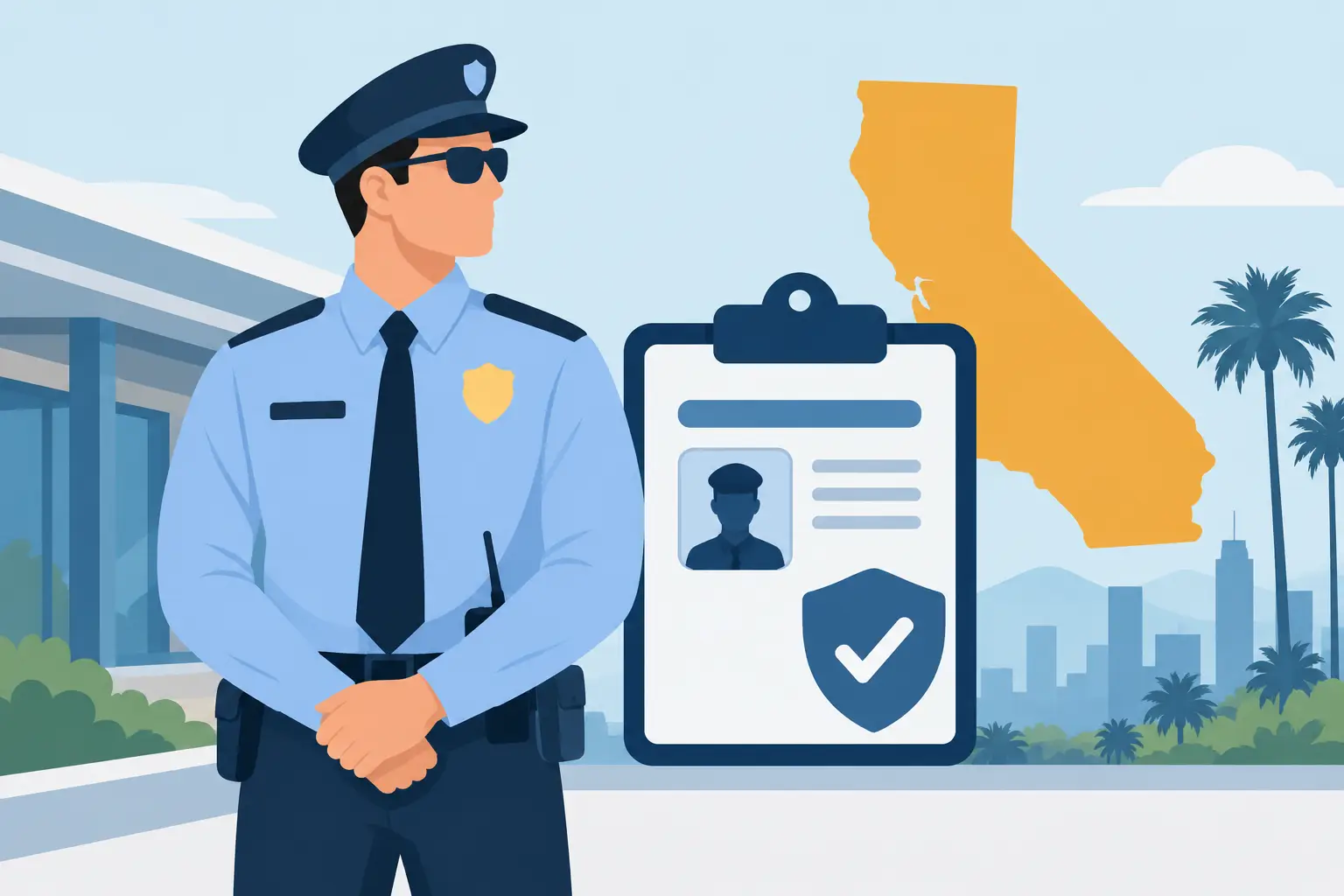
For organizations across California and Nevada, the practical standard is straightforward: protection should be visible when deterrence is needed, discreet when business operations require it, and ready to respond when the situation calls for immediate action. The future belongs to security programs that earn trust every day, long before an emergency tests them.