A power outage closes your access system. A workplace threat puts employees on edge. A fire alarm, protest, cyber incident, or violent confrontation interrupts normal operations with no regard for your schedule. Crisis management for business disruptions gives leaders a disciplined way to protect people first, make sound decisions under pressure, and return the business to safe operation without unnecessary delay.
The difference between a contained incident and a costly disruption is rarely luck. It is preparation, clear authority, timely communication, and personnel who know their role before conditions become uncertain. For business owners, property managers, and operations leaders, the goal is not to predict every possible event. It is to build a response capability that works when the event is unfamiliar, fast-moving, or emotionally charged.
Start With the Risks That Can Stop Your Operation
A useful crisis plan begins with the realities of your site, not a generic emergency binder. A distribution facility, medical office, financial institution, retail center, corporate campus, and public event each face different exposures. The right response plan accounts for the people on site, operating hours, building layout, access points, critical equipment, nearby risks, and the consequences of shutting down.
Consider the disruptions most likely to affect your operation: medical emergencies, workplace violence, unauthorized access, fire, utility failures, severe weather, civil unrest, theft, data or communications outages, and vendor failures. Then assess impact as well as likelihood. A low-probability event may still deserve significant planning if it can endanger lives, interrupt a major revenue cycle, expose sensitive information, or create regulatory liability.
This assessment should also identify dependencies. If the internet fails, can staff communicate with customers and vendors? If the primary entrance is inaccessible, where will employees and emergency responders enter? If a key manager is absent, who can authorize closure, evacuation, or alternate operations? These details turn a broad concern into an actionable plan.
Set Decision Authority Before the Crisis
During a disruption, uncertainty wastes time. Staff may wait for approval, several people may issue conflicting instructions, or a well-meaning employee may share incomplete information with customers or the public. Establishing decision authority in advance prevents this drift.
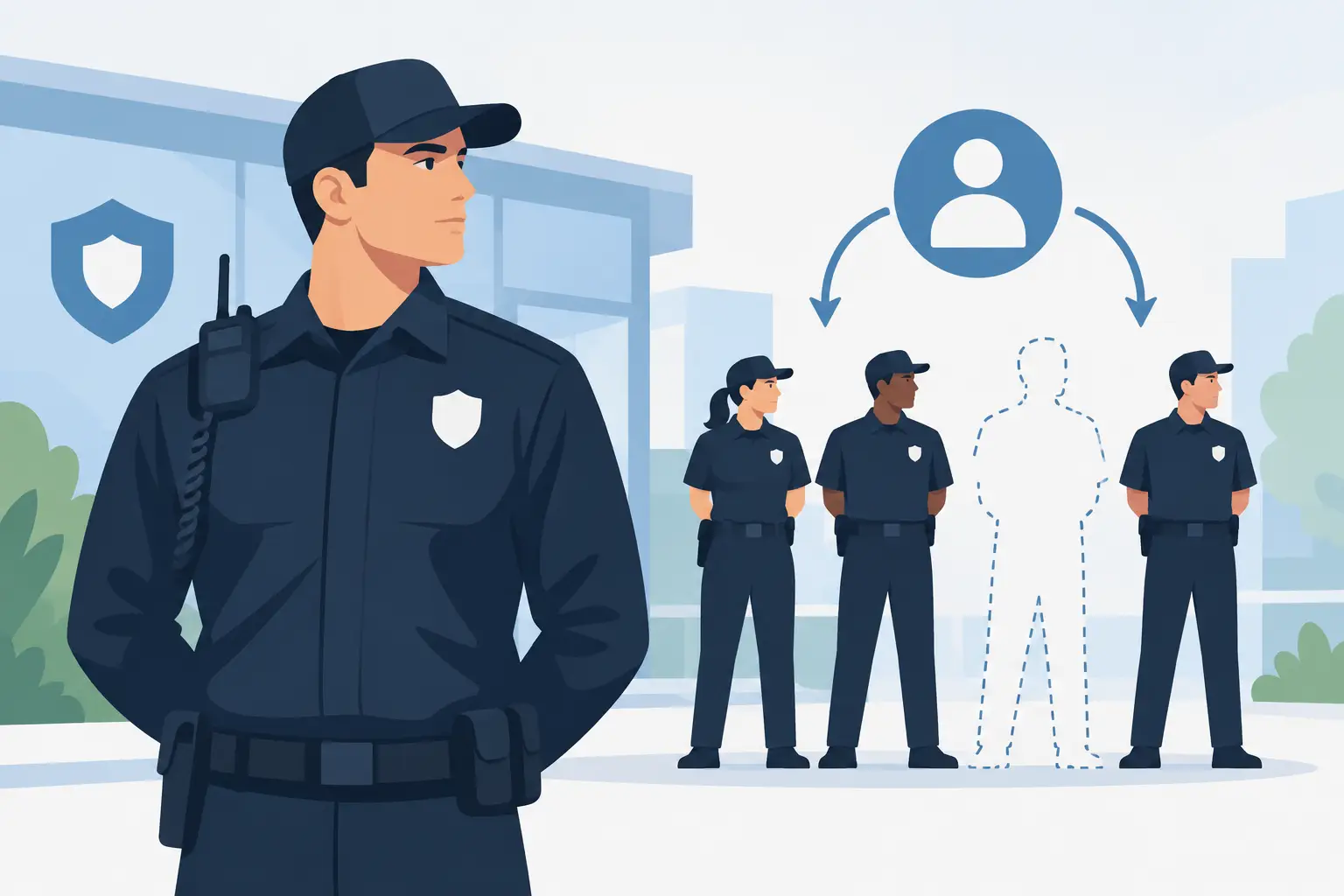
Your plan should name a primary incident leader and at least one alternate. That person does not need to handle every task personally. Their responsibility is to assess the situation, activate the appropriate response, coordinate with emergency services and security personnel, and make timely decisions about operations.
Clarify who has authority to evacuate, shelter in place, lock down a facility, suspend an event, close a site, contact law enforcement, and communicate with employees or tenants. For multi-location organizations, local leaders need enough authority to protect people immediately while corporate leadership maintains visibility and provides direction.
A practical command structure generally assigns responsibility for five functions:
- incident leadership and operational decisions
- life safety, evacuation, and accountability
- security perimeter, access control, and responder coordination
- employee, tenant, customer, and vendor communications
- documentation, recovery actions, and follow-up
Titles may vary, but responsibilities should not. Each person needs a backup, current contact information, and access to the tools required to act.
Build Communications That Hold Up Under Pressure
A crisis communication plan should be short, direct, and usable from a phone. Long documents often fail when leaders need to act quickly. Prepare message templates for common situations, including temporary closures, evacuation instructions, delayed opening, restricted access, and return-to-work notices.
Employees need to know where to receive instructions and when to expect updates. Customers, tenants, or event attendees need clear direction without speculation. Vendors may need delivery changes or alternate points of contact. When law enforcement or fire personnel are involved, one designated liaison should communicate operational facts and avoid competing messages.
Speed matters, but accuracy matters more. Do not fill information gaps with assumptions. State what is known, what actions people should take, and when the next update will be provided. A calm, factual message protects confidence and reduces the chance that rumors create a second problem.
Communication systems also need redundancy. If business email is unavailable, identify text alerts, call trees, radios, mass notification tools, and a designated off-site contact method. The best channel depends on your workforce and operating environment, but relying on one system creates a predictable point of failure.
Make Physical Security Part of the Response Plan
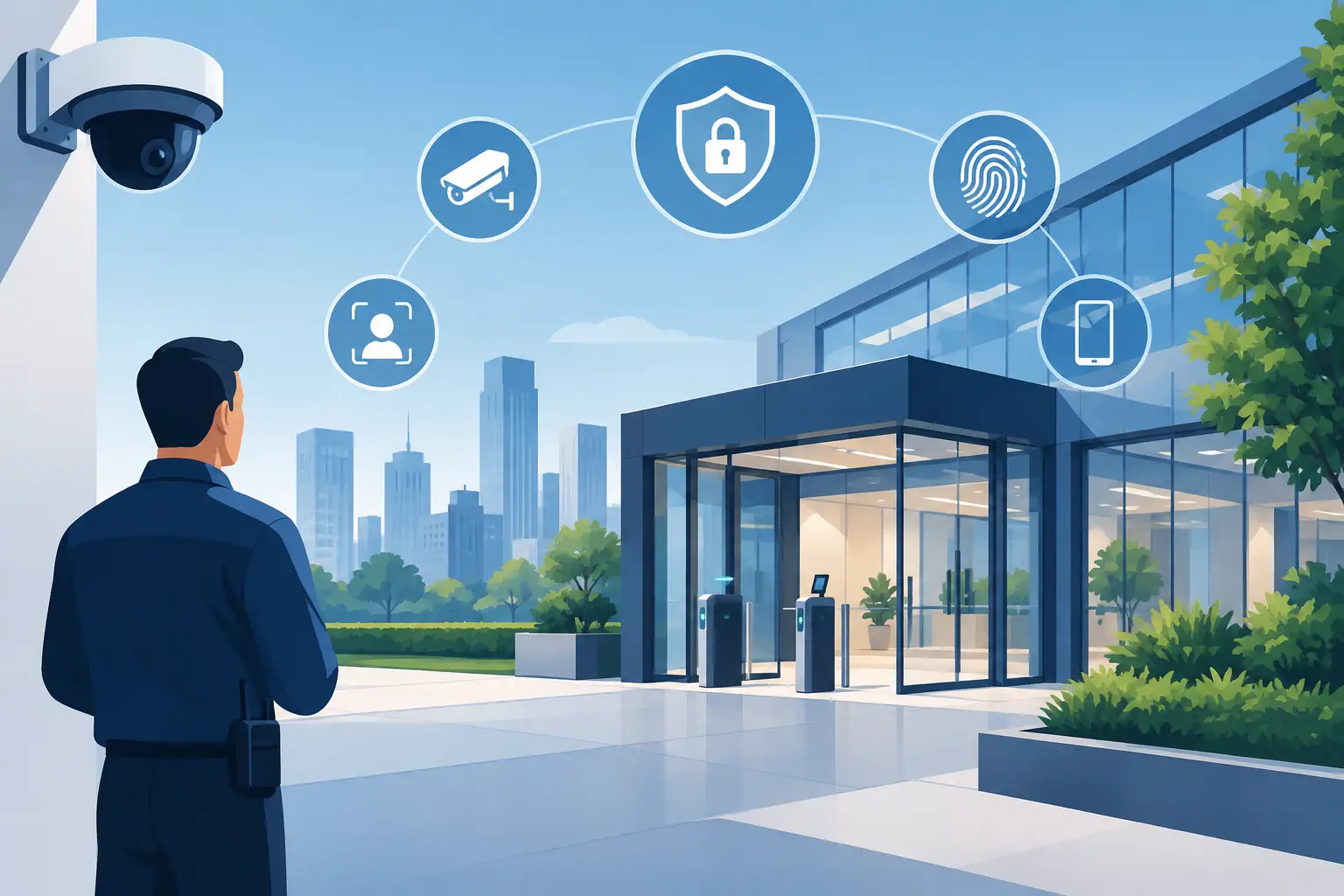
Business continuity plans often focus on technology and administration while underestimating physical risks. Yet many disruptions begin or worsen at the facility level: an unsecured entrance, unmanaged crowd, blocked evacuation route, unauthorized person, or lack of real-time site awareness.
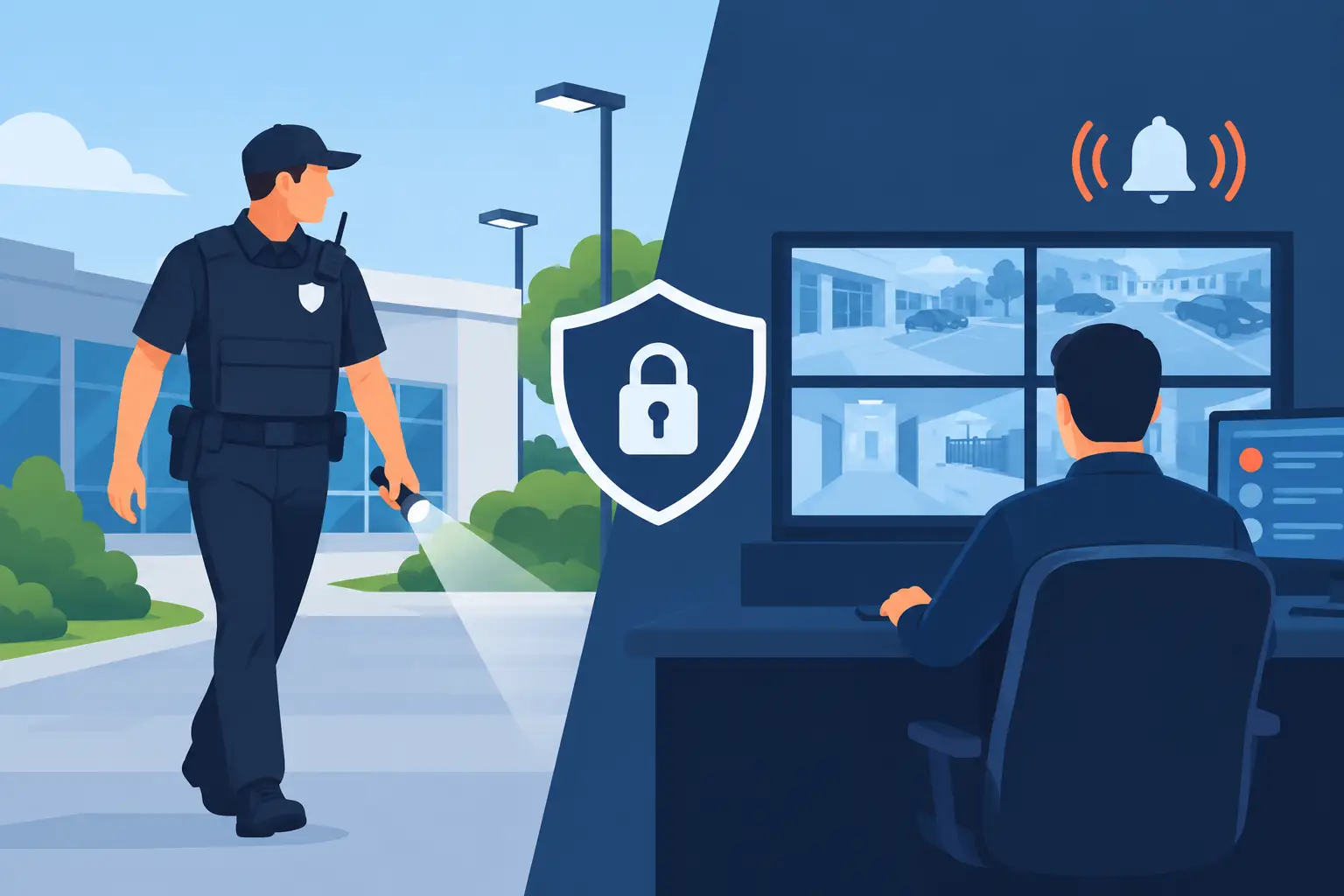
Trained security personnel provide immediate value during an incident. They can control access, direct evacuations, protect restricted areas, preserve a safe perimeter, observe and report conditions, and coordinate the arrival of first responders. At an event or high-traffic facility, visible officers can also reduce confusion by giving guests and staff a clear point of contact.
The security approach should fit the disruption. A temporary utility outage may call for mobile patrols, manual access control, and protection of darkened areas. A workplace threat may require controlled entry, increased presence, and coordination with law enforcement. Following civil unrest or property damage, the priority may shift to perimeter security, asset protection, and safe reentry.
There is a trade-off between visible security and a low-profile posture. Some environments benefit from a clearly visible officer presence that reassures employees and discourages misconduct. Others require discreet protection that preserves the customer experience. A qualified security partner can recommend the right posture based on risk, traffic patterns, and business objectives.
Practice the Plan in Realistic Conditions
A plan that has never been tested is an assumption. Tabletop exercises are an efficient starting point. Bring together leaders, facilities personnel, human resources, communications staff, and security representatives. Present a realistic scenario, then walk through decisions minute by minute: Who receives the first report? Who calls emergency services? Who secures the site? How are employees accounted for? What happens if the first communication channel fails?
After tabletop sessions, conduct focused drills. Test evacuation routes, accountability procedures, emergency contact lists, access-control overrides, and communication tools. A drill does not need to disrupt an entire operation to be useful. A 20-minute test of a specific procedure can reveal outdated contacts, locked exits, unclear roles, or gaps in training.
Review performance without blame. The purpose is to find friction before a real incident exposes it. Update the plan after major operational changes such as a new location, remodel, change in staffing, new tenant, altered access point, or expansion of operating hours.
Plan for Recovery, Not Just the First Hour
The first response protects life and stabilizes the scene. Recovery protects the business. Leaders should establish practical thresholds for reopening, returning employees to work, restoring public access, and resuming normal services. Reopening too quickly can create a safety failure. Waiting too long without a clear reason can compound financial and reputational losses.
Recovery planning should address site inspection, damage documentation, insurance coordination, employee support, customer communication, vendor continuity, and security coverage during vulnerable periods. Following an incident, a property may face increased risk from opportunistic theft, trespass, or repeat threats. Temporary patrols, access restrictions, and additional officer coverage can protect the site while normal controls are restored.
Document decisions and actions as they occur. Accurate records support insurance claims, internal reviews, regulatory obligations, and future planning. They also provide leaders with a factual account if questions arise later from employees, clients, tenants, or authorities.
Crisis Management for Business Disruptions Requires Ongoing Ownership
Effective crisis management for business disruptions is not a once-a-year compliance task. It is an operational discipline that connects leadership, employees, facilities, communications, and security. Plans should be reviewed regularly, tested in manageable pieces, and adjusted to reflect real conditions at each location.
For organizations that need experienced support, Springfield Private Security can help align physical security, response procedures, and on-site coverage with the way a business actually operates. The strongest plans do not create unnecessary friction. They give people clear direction, protect the operation when conditions change, and make recovery more controlled.
The right time to improve your response capability is while decisions can be made calmly. Start with one realistic scenario, assign clear ownership, and test the actions your team would take in the first critical minutes.