
A construction site can look quiet after the last crew leaves, but it is rarely low-risk. Equipment, copper, fuel, tools, materials, temporary power, and partially completed structures create attractive targets with limited natural oversight. Construction site overnight security is designed to protect those assets during the hours when a single theft, fire, trespass incident, or act of vandalism can delay work the next morning.
For project owners, general contractors, and property managers, the goal is not simply to place a guard at a gate. The goal is to maintain control of the site, deter avoidable incidents, document what occurs, and ensure the right response is available when something does go wrong. Effective coverage supports the construction schedule rather than creating friction for crews, vendors, or neighboring properties.
Why Construction Sites Need Overnight Protection
Construction sites change quickly. Fencing moves, access points shift, new deliveries arrive, and valuable equipment may be relocated from one phase of the project to the next. A security plan that worked during earthwork may not be sufficient when the site begins storing finish materials, installing copper wiring, or operating temporary facilities.
Theft is an obvious concern, but it is not the only one. Unauthorized people may enter a site seeking shelter, attempting to vandalize property, or looking for an opportunity to steal. An open gate, damaged fence, or unsecured equipment area can also create liability exposure if someone is injured after hours. In areas with wildfire risk, severe weather, or ongoing neighborhood activity, early identification of hazards can matter as much as theft prevention.
The cost of an incident often reaches beyond the replacement value of stolen property. Missing equipment can idle a crew. Damaged materials may require reordering. A compromised site may need cleanup, reporting, insurance coordination, and repairs before work can resume. For projects with fixed milestones, those disruptions can affect subcontractors, inspections, and client commitments.
Construction Site Overnight Security Starts With Site Control
A visible, professional security presence changes the risk calculation for would-be trespassers. However, visibility alone is not a plan. Overnight coverage should begin with a clear understanding of who is authorized to enter, where they may enter, what assets require special attention, and what action is expected when an issue is identified.
Access control is usually the foundation. Security personnel should know the approved entry points, the names or roles of expected after-hours vendors, and the process for verifying anyone who arrives outside normal work hours. Gates should remain secured when not in use, and any exception should be documented. If a delivery, emergency repair, or concrete-related operation requires late access, the officer needs a defined point of contact rather than relying on assumptions.
Site control also includes routine inspection of perimeter fencing, locks, lighting, trailers, material storage, fuel tanks, and equipment staging areas. A patrol that only circles the property at predictable intervals can leave blind spots. Patrol patterns should vary while still ensuring that higher-risk areas receive regular attention.
Match the Coverage to the Actual Risk
There is no single overnight security model that fits every project. A small renovation with limited tools may need periodic mobile patrols and alarm response support. A large commercial build with multiple access points, heavy equipment, stored materials, and activity near public streets may require a dedicated on-site officer throughout the night.
The right approach depends on the location, project phase, asset value, surrounding crime conditions, lighting, fencing, and the consequences of a work stoppage. Sites near highways, vacant lots, encampments, or active commercial corridors may face different threats than controlled-access projects within industrial parks. A strong provider evaluates the operating environment before recommending a coverage level.
Armed or unarmed coverage should also be determined by risk, not appearance. An unarmed officer can be highly effective when the primary need is access control, patrol, deterrence, reporting, and rapid coordination with law enforcement. Armed coverage may be appropriate for sites with elevated threat concerns, high-value assets, or a documented need for a greater level of protective capability. Any decision should account for local requirements, client policy, site conditions, and the importance of de-escalation.
What Officers Should Do During an Overnight Shift
A construction security officer needs clear post orders that are specific to the site. Generic instructions produce generic coverage. Effective post orders identify priority assets, patrol routes, authorized contacts, emergency procedures, safety hazards, and reporting standards.
During the shift, officers should be prepared to perform several connected functions:
- Control and document after-hours access to the property.
- Conduct visible and varied patrols of the perimeter, structures, equipment, trailers, and material storage areas.
- Identify signs of forced entry, fence damage, unsafe conditions, fire hazards, water leaks, or suspicious activity.
- Contact designated site representatives when a condition requires immediate operational attention.
- Request law enforcement, fire, or medical assistance when the situation requires emergency response.
- Produce accurate activity and incident reports for management, insurance, and follow-up purposes.
Reporting deserves special attention. A useful report records times, locations, observations, actions taken, parties contacted, and any available descriptions of people or vehicles. It should be factual and complete. When a project manager arrives the next morning, they need information that helps them make decisions, not a vague note that an officer “checked the site.”
Use Technology as Support, Not a Substitute
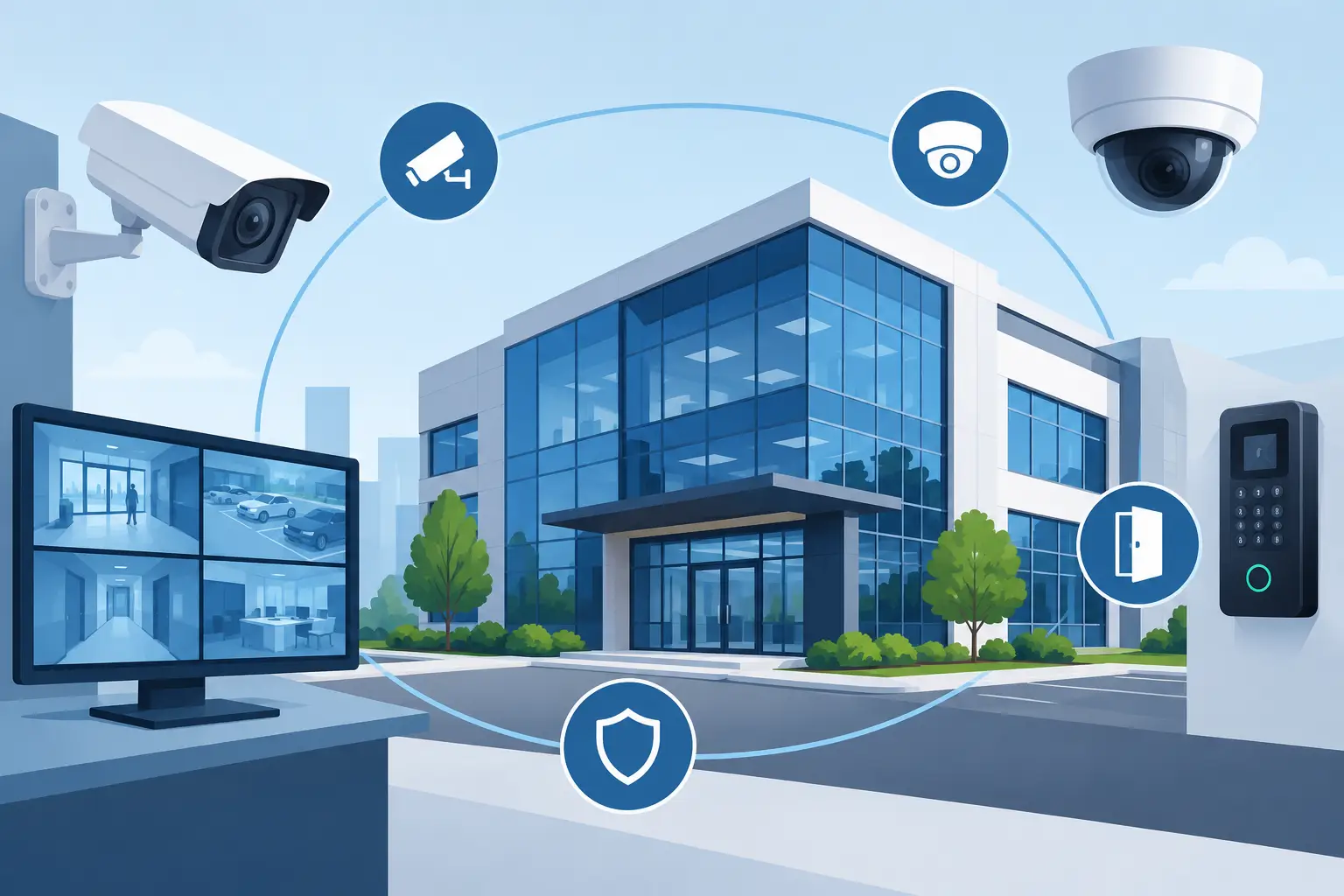
Cameras, motion sensors, temporary lighting, access systems, and remote monitoring can strengthen an overnight security plan. They can also create a false sense of security if they are poorly placed, not monitored, or unable to produce a timely response.
For example, cameras can help document activity at gates and material yards, but they may not stop a person from cutting a fence outside the camera’s field of view. Motion-activated lighting can discourage trespassing, but it should be positioned so it does not interfere with nearby residents, traffic, or crew operations. Remote monitoring may be a cost-effective option for certain properties, while a live officer is better positioned to investigate conditions, secure an entry point, and coordinate a response on-site.
The most reliable plans combine physical measures with trained personnel. Fencing and locks delay entry. Lighting and cameras increase visibility. Officers provide judgment, presence, verification, and response. Each layer addresses a different weakness.
Build Security Into the Project Schedule
Security should be reviewed at the same operational checkpoints as logistics, safety, and site readiness. Waiting until theft occurs usually means the site has already absorbed loss and disruption. Coverage should be adjusted when expensive materials arrive, when crews transition to a new phase, when work pauses over holidays, or when the site becomes temporarily vacant.
Communication between the security team and project leadership is equally important. Officers need current information about changing gate locations, new subcontractors, scheduled deliveries, equipment movements, and areas that are off limits. In return, project leaders should receive concise updates on recurring vulnerabilities, suspicious activity, and corrective actions that may reduce risk.
For multi-site contractors and property managers, consistent reporting and centralized oversight can make it easier to spot patterns. Repeated fence damage, recurring trespass activity, or access issues at one location may indicate a need to change patrol times, improve lighting, or revise material storage practices across several projects.
Selecting a Security Partner for Overnight Coverage
The provider you choose should be able to explain how coverage will operate after hours, not simply quote a shift rate. Ask how officers are supervised, how incidents are escalated, what reporting is provided, and how quickly the plan can be adjusted when site conditions change. Confirm that the provider understands construction environments, including contractor access, heavy equipment areas, temporary structures, and active safety controls.
Dependability is especially important overnight. A missed patrol, poor handoff, or unanswered call can leave a site exposed at the exact time it needs protection. Springfield Private Security approaches coverage as an operational responsibility: clear post orders, professional personnel, responsive communication, and security measures aligned with the client’s project objectives.
A well-protected site does not have to feel locked down or difficult to operate. When security is planned around the project, crews can begin work with fewer surprises, managers have better visibility into overnight activity, and valuable assets remain where they are needed for the next day’s progress.


One Response