A front-desk employee sees a situation turn hostile. A cashier suspects a robbery. A staff member is alone in a parking structure after hours. In each case, the person may not have time to make a call, explain the location, and wait for help. That is what are panic buttons designed to address: they give employees a fast, discreet way to request assistance when an immediate safety concern develops.
For businesses, a panic button is not simply a device mounted under a counter. It is part of an incident response system. Its value depends on who receives the alert, how quickly they act, whether they know the site, and what procedures are in place once they arrive.
What Are Panic Buttons and How Do They Work?
A panic button is a manual emergency activation device that sends an alert when pressed. Depending on the system, the alert may notify on-site security, a central monitoring center, management personnel, law enforcement, or a combination of these contacts. The activation can be silent, audible, location-specific, or configured differently for different parts of a facility.
A silent panic button is common in banks, retail stores, medical offices, reception areas, and workplaces where an audible alarm could escalate a confrontation. It allows an employee to request help without signaling the person creating the threat. Audible panic alarms may be appropriate in environments where immediately drawing attention, prompting evacuation, or deterring misconduct is the priority.
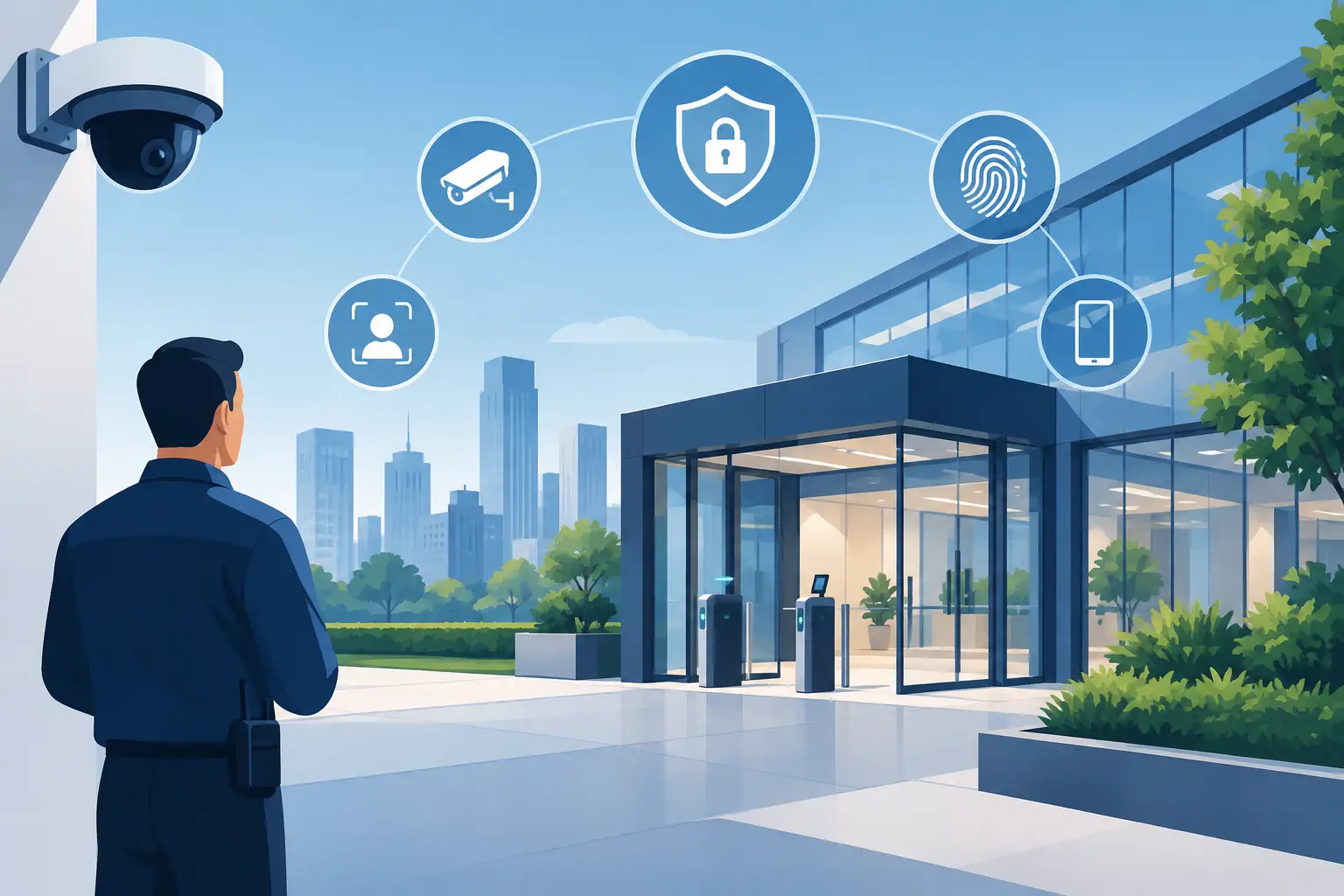
The button itself may be hardwired beneath a desk, installed at a reception counter, carried as a wireless pendant, worn as a mobile duress device, or accessed through an approved mobile application. Modern systems can identify the exact activation point, which matters on larger campuses, multi-floor offices, warehouses, schools, and healthcare facilities.
Pressing a button does not automatically solve the problem. A properly designed system sends a clear signal to a defined response path. If an alert goes to a manager who is off-site, unavailable, or unsure what to do, the business has purchased equipment without establishing protection.
Panic Buttons Are Not the Same as Fire Alarms or 911
A fire alarm warns occupants to evacuate a building because of a life-safety hazard such as smoke or fire. A panic button is typically used to report a threat involving violence, robbery, harassment, medical distress, suspicious activity, or another urgent security concern.
Likewise, a panic button does not replace calling 911 when it is safe to do so. Emergency dispatchers may need details about injuries, weapons, suspects, and the direction of travel. The advantage of a panic button is speed. It can initiate a response when the employee cannot safely speak, does not have access to a phone, or needs to alert on-site protection immediately.
For many organizations, the strongest approach is layered: a panic alert activates security or monitoring, trained personnel assess the situation, and emergency services are contacted under established protocols. This limits delays and helps prevent employees from having to make critical decisions alone during a stressful event.
Where Businesses Use Panic Buttons
Panic buttons are most useful where employees regularly interact with the public, handle cash or controlled items, work alone, open or close facilities, or may encounter emotionally charged situations. Risk is not limited to traditionally high-risk industries. A professional office may need discreet protection at reception. A property management company may need support for leasing staff conducting tours. An industrial site may need a reliable way for workers to report an after-hours intrusion.
Common business applications include:
- Retail locations, banks, dispensaries, and other cash-handling operations
- Corporate reception desks, executive offices, and visitor check-in areas
- Healthcare, behavioral health, and social service environments
- Hotels, residential properties, and parking facilities
- Schools, houses of worship, government offices, and public-facing institutions
- Warehouses, construction sites, and critical infrastructure locations
The right placement depends on the site’s actual operating conditions. A button placed behind a reception desk may protect the receptionist but do little for employees in a back office, loading dock, or remote parking area. Portable devices can close that gap, although they require charging, assignment procedures, and regular accountability checks.
Choosing the Right Type of Panic Button
There is no single best panic button for every business. The decision should follow a site-specific risk assessment, not a generic product list. Start by identifying where incidents are most likely to occur, who may be exposed, how quickly help can reach them, and what type of response is appropriate.
Fixed, Wireless, and Mobile Options
Fixed buttons are dependable for a consistent workstation, such as a teller line, cashier position, security desk, or front office. Because they remain in one location, they can give responders a precise starting point. They are less useful for mobile staff.
Wireless buttons and wearable devices allow employees to carry protection beyond a desk. They can be a practical choice for property teams, healthcare workers, event staff, security officers, and employees working across a large facility. However, wireless coverage, battery management, and accidental activation procedures must be addressed before deployment.
Mobile-app alerts can support staff who travel between sites or work in the field. Their effectiveness depends on cellular coverage, phone access, device policies, and the employee’s ability to activate the alert under pressure. They should not be assumed to work equally well in every building, underground space, or remote area.
Silent Alerts Versus Audible Alarms
Silent alerts are often preferred when discretion protects the employee. During a robbery or threatening confrontation, an audible alarm may provoke the individual involved. In other situations, such as a building evacuation or a visible disturbance, an audible alarm can help prompt immediate action and attract support.
The trade-off is operational. A silent alert requires a disciplined monitoring and response process. An audible alarm may gain attention quickly but can create confusion if employees have not been trained on what the sound means and what they should do next.
The Response Plan Makes the System Effective
Installing a panic button without written procedures creates uncertainty at the exact moment clarity is needed. Every activation should trigger a response plan that defines responsibilities, communications, escalation, and documentation.
At a minimum, leadership should decide who receives alerts, who verifies the situation, when law enforcement is contacted, where responders enter the property, and how employees communicate after activation. The plan should also identify a backup contact. A single manager cannot be the only person responsible for every after-hours or multi-location emergency.
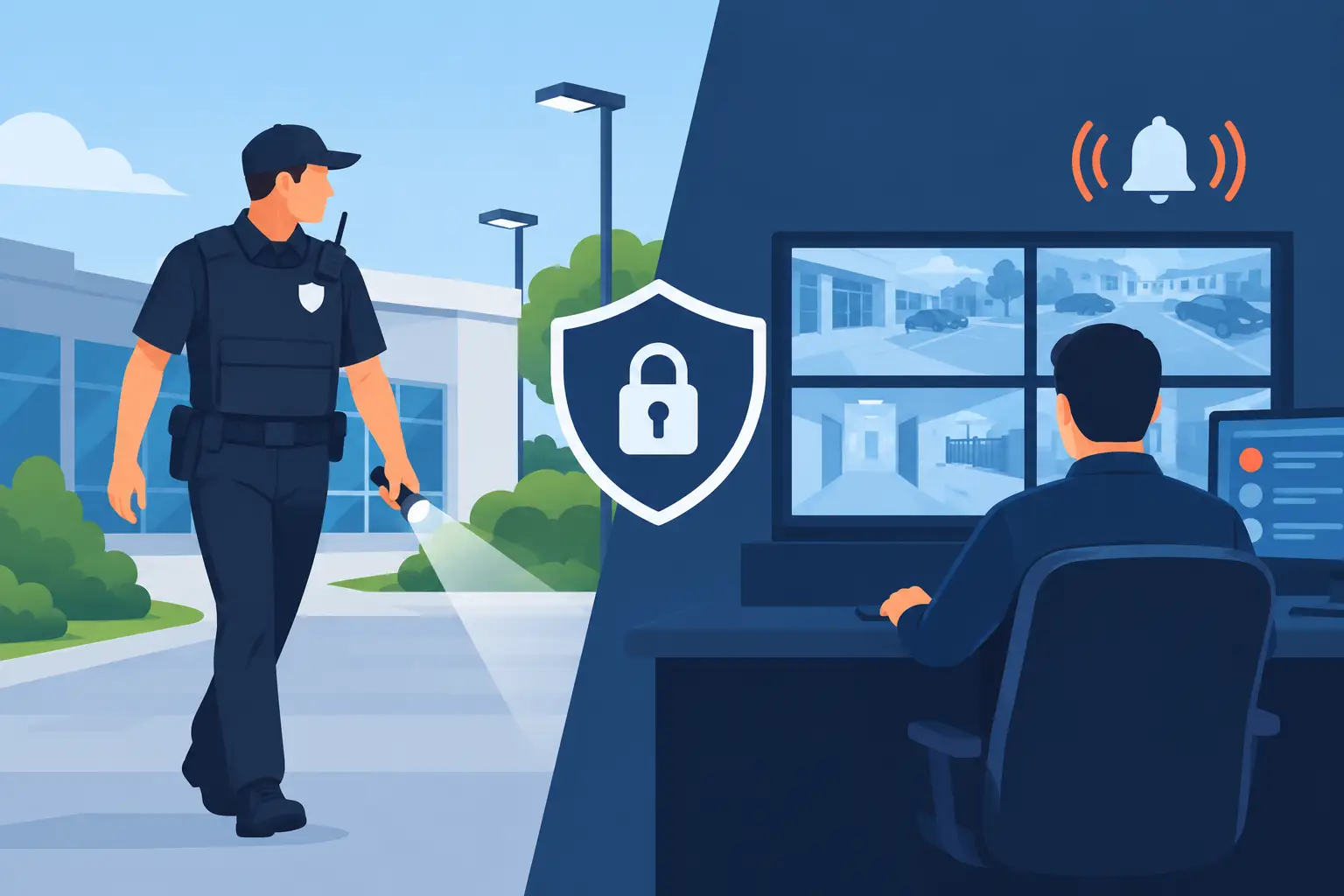
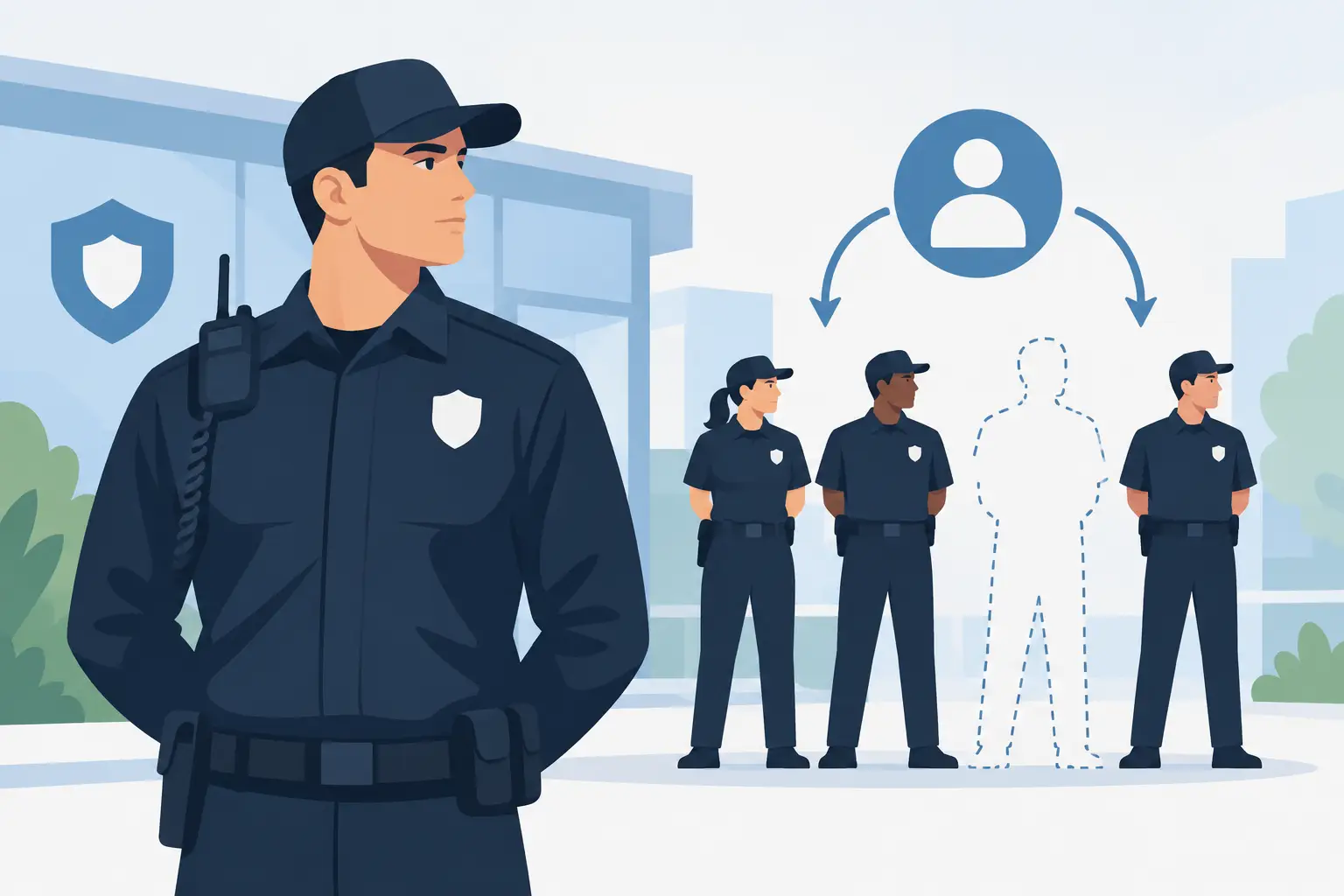
Professional security officers and mobile patrol teams can provide a direct response option for businesses that need faster site familiarity than a general call chain provides. For example, a security team assigned to a commercial property can receive an alert, approach through a designated access point, assess the threat, coordinate with law enforcement, and preserve a clear incident record. This is especially valuable when a site has known access challenges, recurring disturbances, or a high volume of public interaction.
Springfield Private Security approaches panic-button planning as part of broader physical risk management: equipment, trained people, site procedures, and response capability must work together without disrupting daily operations.
Training Prevents Hesitation and False Confidence
Employees should know where panic buttons are located, what happens after activation, and when their use is appropriate. Training should be practical and brief enough that staff can retain it. New hires, temporary staff, supervisors, and overnight personnel all need the same baseline understanding.
Staff should never be told to use a panic button only when they are certain a crime is occurring. If an employee reasonably believes there is an immediate safety threat, waiting for certainty can be dangerous. At the same time, policies should explain non-emergency reporting channels so the panic system is not used for routine customer complaints, maintenance issues, or non-urgent disagreements.
Testing is equally necessary. Test alerts should confirm that the signal reaches the correct recipients, the location information is accurate, and the response team follows the expected procedure. Tests must be scheduled and communicated carefully so they do not cause unnecessary emergency dispatches or alarm fatigue.
Questions to Ask Before Installing a System
Before selecting a provider or device, decision-makers should examine the response, not just the hardware. Ask how alerts are monitored after business hours, whether the system identifies the exact location, how backup communications work during power or network interruptions, and what records are produced after an activation.
Also consider the practical details that can affect response time: Can security access the site? Are floor plans current? Are gate codes, key procedures, and emergency contacts maintained? A panic button can send an alert in seconds, but responders still need a safe and reliable way to reach the person who needs help.
The best panic-button program is one employees trust without thinking about it every day. It stays in the background during normal operations, then provides a clear path to help when a situation demands immediate action.