A crowded entrance, a parking lot changing over after dark, and a guest dispute near the bar can create very different security needs within the same event. The decision between event security vs police detail is not simply a question of visibility or budget. It affects guest experience, response options, liability planning, and the organizer’s ability to keep the event moving without unnecessary disruption.
For many California and Nevada events, the strongest plan is not an either-or choice. It is a clear division of responsibility: professional private security manages the event environment, while law enforcement is involved when its authority, training, or presence is needed. The right approach starts with an honest assessment of the event, the venue, and the risks that could interrupt operations.
Event Security vs Police Detail: The Core Difference
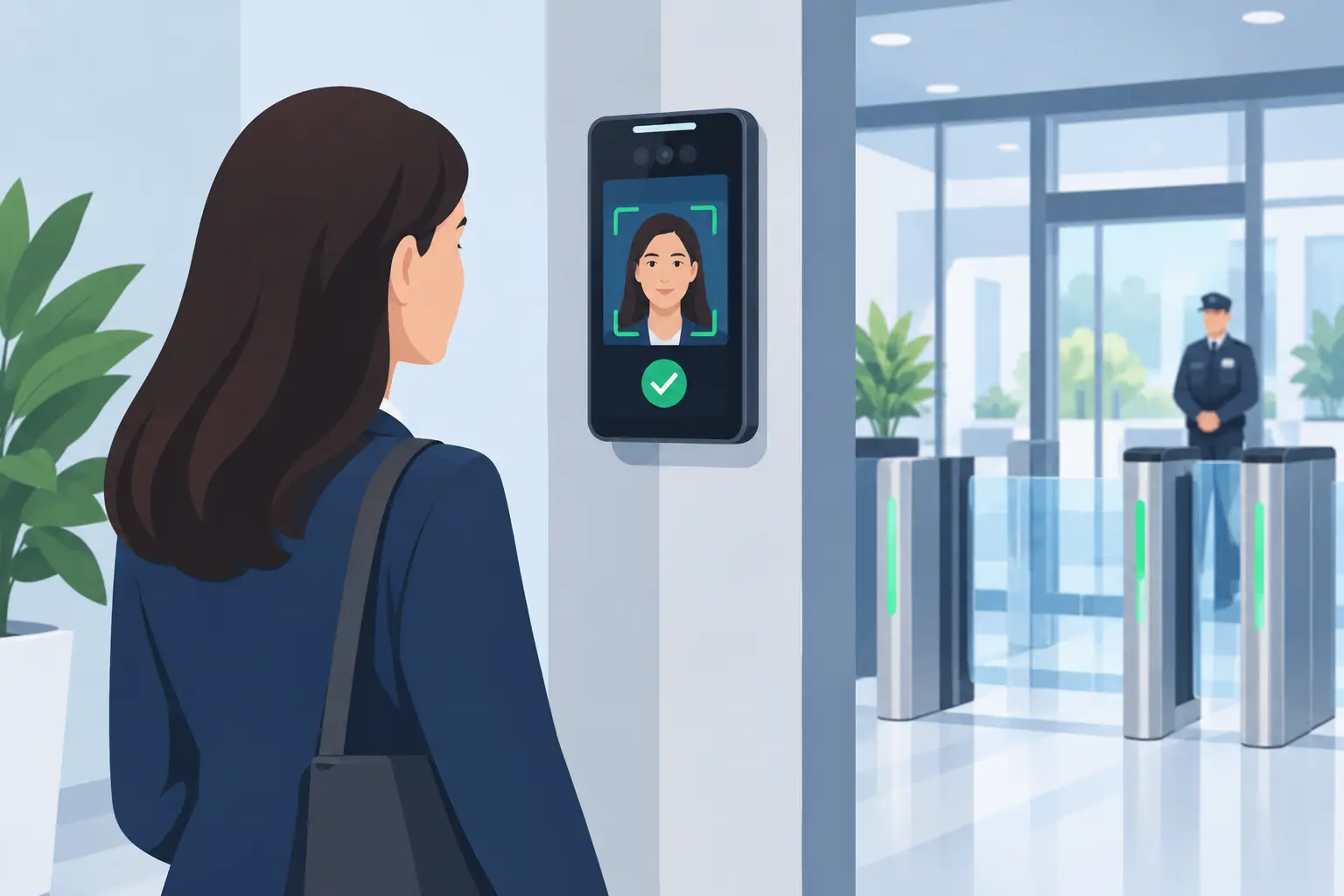
Private event security is hired to protect the client’s people, property, operations, and event objectives. Officers may manage access points, check credentials, monitor restricted areas, patrol parking lots, observe crowd behavior, support emergency procedures, document incidents, and communicate concerns to event leadership. Their work is designed around the site plan and the client’s operating needs.
A police detail typically involves sworn law enforcement officers working an approved off-duty assignment, subject to the policies and authority of their department or agency. Officers bring public law enforcement authority, which can be especially valuable when an event has a credible risk of criminal activity, traffic-control needs, high-profile attendees, or a history of serious disturbances.
That distinction matters. Private security officers are not a substitute for law enforcement, and event organizers should not assume they have the same legal authority, powers of arrest, or access to law enforcement systems. Likewise, an officer assigned to a detail is not always the best resource for routine guest screening, queue management, vendor access, or the constant customer-service interactions that make an event feel organized and welcoming.
When Private Event Security Is the Better Fit
Professional event security is often the practical foundation for business functions, community gatherings, conferences, retail promotions, private parties, concerts, sporting events, religious services, and venue-based events. These assignments need consistent coverage, early problem recognition, and personnel who understand the event plan from setup through breakdown.
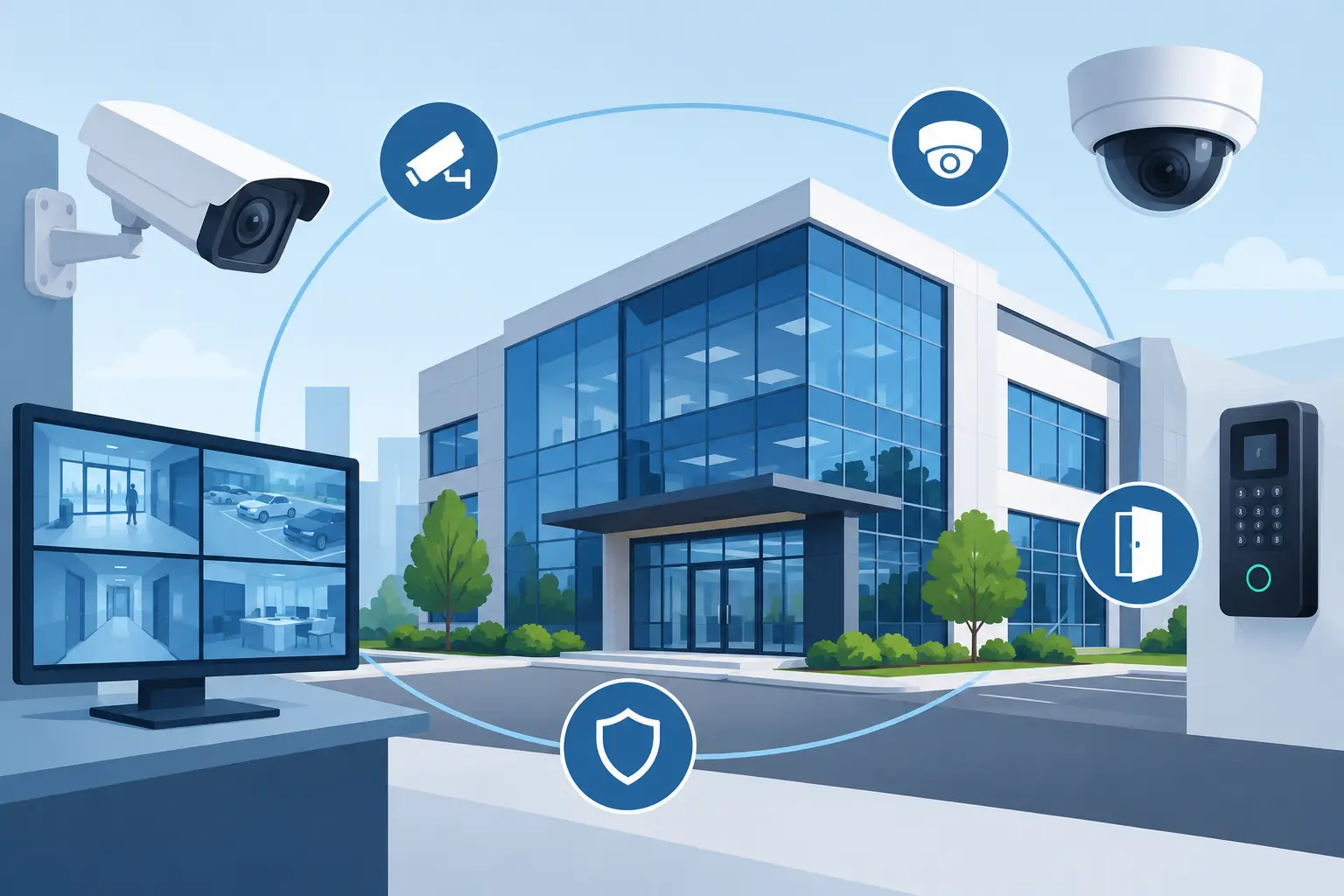
A private security team can be positioned where problems usually begin: entrances, credential checkpoints, loading areas, employee-only doors, cash-handling locations, parking areas, and transitions between the venue and public space. This visible presence can discourage misconduct while giving guests and staff a clear point of contact when something feels wrong.
Private security also gives organizers more flexibility. Coverage can be scaled by location, schedule, and function. One officer may be assigned to an access point while another performs mobile patrols, coordinates with venue management, or monitors a restricted area. For a multi-day event, the security plan can shift as attendance patterns, staffing levels, and operating hours change.
The service component is just as important. Good event officers know when to be visible and when to stay in the background. They can enforce venue policies professionally, de-escalate minor disagreements, assist with lost guests, direct vendors, and protect the event’s normal flow. The goal is not to make every event feel heavily policed. It is to keep people safe while preserving the purpose of the gathering.
When a Police Detail May Be Necessary
A police detail may be appropriate when the event creates risks that require sworn authority or direct law enforcement coordination. Examples include large public gatherings with alcohol service, events involving controversial speakers or demonstrations, high-profile appearances, locations with recurring criminal activity, and situations where organizers expect substantial traffic or crowd-control challenges outside the venue.
A detail can also be useful when a known threat exists. If the event has received credible threats, has a history of fights escalating beyond venue staff control, or involves protected individuals, the planning process should include law enforcement early. Waiting until event day to decide whether police presence is needed leaves too much to chance.
However, a police detail has practical limits. Availability may be limited, and costs can be higher than private coverage. Department rules, minimum staffing requirements, cancellation policies, and shift schedules may affect the assignment. An officer also retains public safety responsibilities. In some circumstances, an urgent incident elsewhere may affect availability or attention. Organizers should confirm expectations directly with the agency rather than treating a police detail as a fixed, private resource.
Police presence can also change the atmosphere of an event. For some audiences, it creates reassurance. For others, a highly visible law enforcement presence may feel disproportionate to the occasion. That does not mean organizers should avoid police when the risk calls for it. It means the level and placement of that presence should be intentional.
The Strongest Model Is Often Layered Coverage
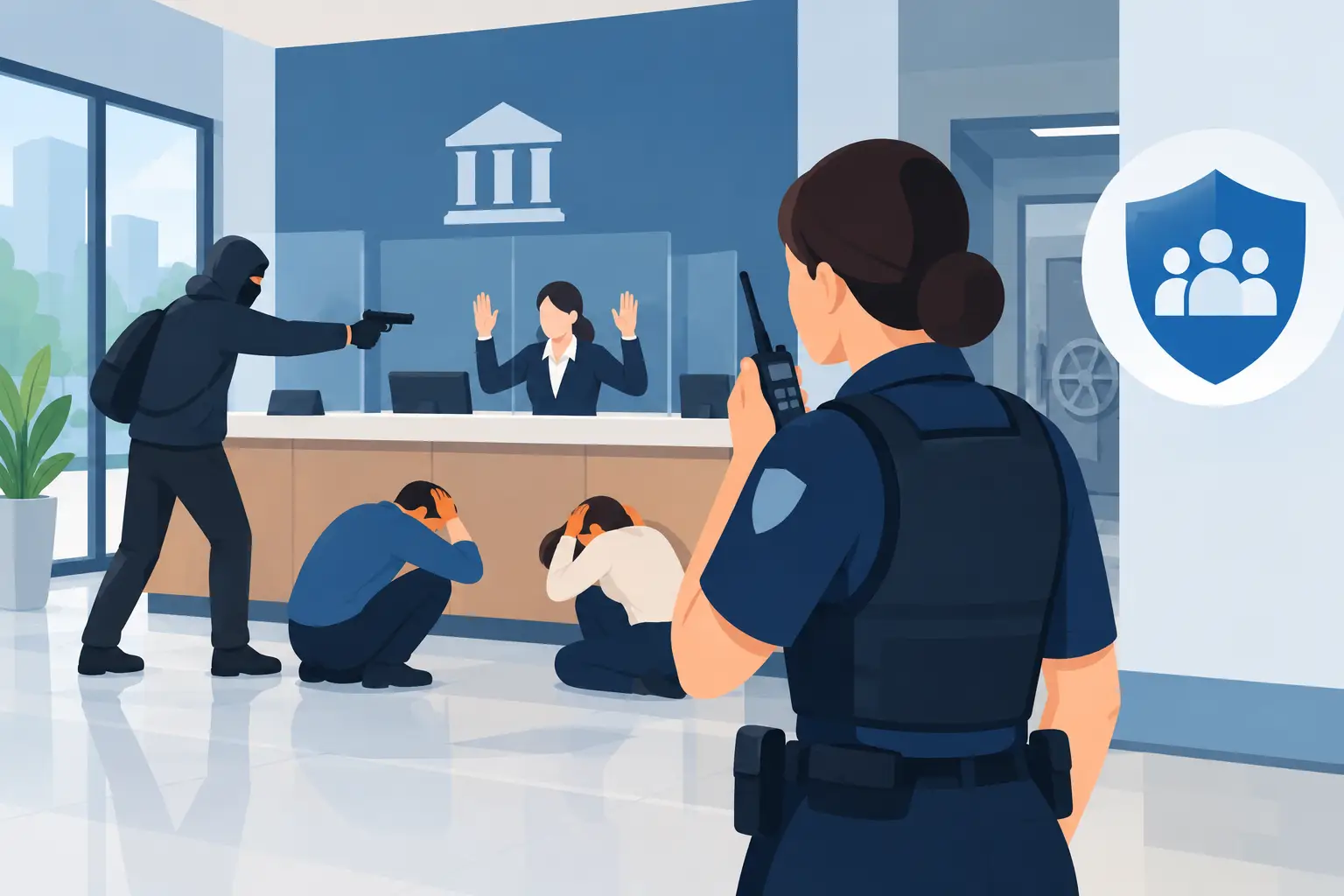
For higher-attendance or higher-risk events, private officers and law enforcement can perform complementary roles. Private security manages the operational work that prevents confusion and reduces opportunities for incidents. Law enforcement provides a defined escalation path and public authority when the situation exceeds private security’s role.
This model works best when responsibilities are decided before doors open. Private officers should know who has authority over guest removal, when to call 911, how to preserve a scene, where emergency vehicles can enter, and who communicates with the event manager. Law enforcement personnel should understand the site layout, attendance expectations, designated command contacts, and any known concerns.
Without that coordination, two teams can create gaps instead of coverage. Officers may assume someone else is monitoring a side entrance. A venue manager may not know who is handling a disruptive guest. A delayed call for help can turn a manageable incident into a costly interruption.
Build the Decision Around Risk, Not Assumptions
The best security decision comes from a written risk review, not a standard staffing number borrowed from another event. A daytime corporate meeting for 75 invited guests has different needs than a ticketed music event with alcohol service and open public access. Venue layout, neighborhood conditions, parking arrangements, guest demographics, cash handling, timing, and event history all matter.
Start by defining what must be protected. That may include attendees, employees, executives, equipment, merchandise, sensitive information, reputation, or the ability to finish the event on schedule. Then identify the points where those assets are exposed. A single unsecured loading door may present more risk than the main entrance. A poorly lit parking area may deserve more attention than an additional lobby officer.
Organizers should also consider how quickly a problem can develop. Long entry lines, unclear ticketing procedures, overserved guests, inadequate exits, and last-minute schedule changes can create friction before a security incident is obvious. Security planning should account for those operational triggers, not only for severe emergencies.
Questions to Set Expectations Before Event Day
Before selecting coverage, establish whether the event requires private security, a police detail, or both. Ask whether the venue or local jurisdiction has requirements for certain events, whether alcohol or cash transactions change the risk profile, and whether there are known threats or prior incidents. Confirm who controls access, who can make decisions about removing a guest, and who will serve as the single point of contact for security personnel.
Also clarify communications. A reliable plan identifies the command contact, radio or phone procedures, emergency gathering points, medical response process, and the threshold for contacting law enforcement. If police are working the event, arrange a pre-event briefing so they are not learning the floor plan during an incident.
Documentation deserves attention as well. Security officers should record material incidents accurately and promptly. Clear reporting supports follow-up, insurance matters, internal reviews, and future event planning. It also helps leaders separate actual patterns from assumptions after the event ends.
Choose Coverage That Supports the Event’s Mission
Security should not become an obstacle to attendance, hospitality, or business continuity. It should create order at the entrance, confidence in the parking lot, faster escalation when needed, and a calmer response when tensions rise. That requires personnel who can balance professionalism with situational awareness.
Springfield Private Security approaches event coverage as an operational assignment, not a generic guard-post schedule. The security posture should match the venue, crowd, timing, and objectives, with clear coordination for any law enforcement involvement.
Before contracts are signed and invitations go out, walk the site with the event plan in hand. Identify where people will enter, gather, park, wait, and leave. That simple exercise often makes the right level of coverage clear – and gives your team a better chance to keep the event safe, orderly, and on schedule.