
A successful event can change quickly when an unauthorized person enters a restricted area, a crowd blocks an exit, or a medical emergency occurs. Asking what does event security include is the right starting point, but the answer should never be a generic checklist. Effective event security is a coordinated plan built around your venue, guest profile, schedule, assets, and operational priorities.
For a small private reception, security may mean discreet access control and one trained officer who can respond quickly. For a concert, corporate conference, public festival, or high-profile gathering, it may involve multiple officers, screening stations, perimeter coverage, traffic coordination, communications, and formal emergency procedures. The goal is the same: protect people and property while allowing the event to run as intended.
What Does Event Security Include?
Event security typically includes advance planning, trained personnel, access management, crowd oversight, incident response, and ongoing communication with event leadership. The exact scope depends on risk. A professional provider should assess the event before assigning personnel or recommending equipment.
Security should support the guest experience rather than compete with it. Guests need to know where to enter, staff need to know who can access restricted spaces, and organizers need a clear point of contact when something changes. Visible security can deter misconduct, while a professional and customer-service-oriented presence helps maintain a welcoming atmosphere.
Advance Risk Assessment and Security Planning
Strong event coverage begins well before doors open. The security team reviews the venue layout, entry and exit points, parking areas, lighting, emergency routes, attendee volume, event timing, alcohol service, valuables, VIP attendance, and any known concerns.
This assessment identifies practical vulnerabilities. For example, a hotel ballroom may need controlled elevator access and protection for registration equipment. An outdoor event may need perimeter coverage, weather contingencies, vehicle barriers, and coordination around public access points. A corporate event with executive attendees may require separate arrival procedures and secure green rooms.
The resulting plan should define officer posts, patrol routes, communication procedures, escalation steps, and responsibilities. It should also identify who has authority to make decisions if an incident affects the schedule, venue access, or evacuation process. Planning reduces confusion when time matters most.
Security Staffing Matched to the Event
Event security includes the right number and type of personnel for the assignment. Staffing decisions should reflect the size of the venue, expected attendance, length of the event, number of access points, and the level of risk involved.
Unarmed officers are often appropriate for guest screening, access control, lobby coverage, crowd observation, parking oversight, and general deterrence. Their presence provides order and a clear response point without making a business gathering or community event feel overly restrictive.
Armed officers may be considered when the threat environment, assets, public profile, or client requirements justify that level of protection. This decision should be based on a documented risk assessment, local requirements, venue policies, and the provider’s training and licensing standards. Armed coverage is not automatically better security. In some environments, a highly visible armed posture may create unnecessary concern or conflict with the event’s purpose.
A qualified security provider also considers supervision. Larger events often benefit from a field supervisor or event security lead who can coordinate officers, communicate with organizers, adjust posts, and manage incidents without pulling the event host away from their responsibilities.
Access Control and Guest Screening
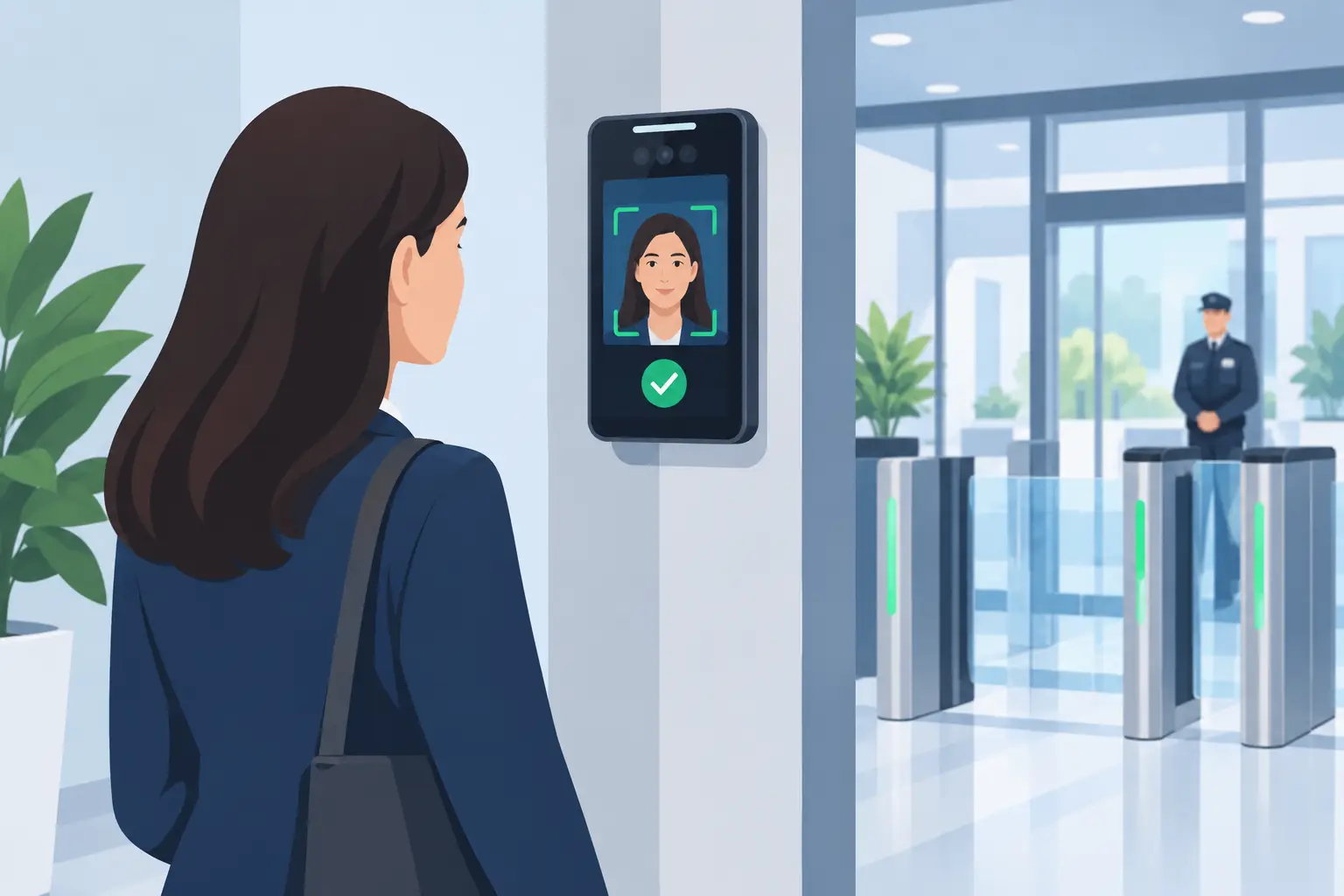
Controlling access is one of the most important parts of event safety. Security officers may verify invitations, tickets, credentials, wristbands, identification, or approved vendor access before allowing someone into the event or a restricted area.
Access control also separates public, staff, vendor, VIP, and backstage areas. This protects guests and helps prevent theft, disruption, and unauthorized entry. At a conference, that may mean keeping attendees out of production rooms and speaker areas. At a private function, it may mean monitoring entrances so only invited guests enter.
Where the event risk calls for it, screening can include bag checks, magnetometers, prohibited-item policies, and clear procedures for handling denied entry. Screening should be consistent and respectful. Poorly managed screening creates long lines, frustrates guests, and can become a security issue itself. The right approach balances thoroughness with efficient movement at the entrance.
Perimeter, Parking, and Traffic Oversight
Security responsibility does not stop at the front door. Parking lots, loading zones, exterior walkways, and vehicle entrances can create exposure before guests reach the venue.
Event officers may monitor pedestrian flow, deter vehicle break-ins, keep fire lanes clear, manage vendor arrivals, and report suspicious activity. For larger events, security may coordinate with event staff, parking attendants, and local agencies on traffic patterns and emergency vehicle access.
Outdoor and multi-entrance events need particular attention. A perimeter does not always mean a fence or a visible barricade. It can include patrol patterns, controlled entry points, posted officers, lighting reviews, and a clear process for responding when someone attempts to bypass established access areas.
Crowd Management and Order Maintenance
Crowd management is more than watching a large group of people. It involves recognizing conditions that can lead to conflict, congestion, blocked exits, or unsafe movement. Security officers monitor capacity, queues, high-traffic areas, alcohol service zones, stages, and locations where attendees may gather unexpectedly.
Professional officers address concerns early. They can redirect foot traffic, calm a disagreement, assist an impaired guest, or notify event leadership before a minor issue becomes a disruption. This preventive role protects the event’s atmosphere and reduces the chance that staff members must handle situations outside their training.
The strategy changes by event type. A trade show may require focus on exhibit halls and equipment protection. A live performance may require pit coverage, backstage control, and crowd movement near entrances. A charity gala may prioritize discretion, guest service, and protection of auction items. Security coverage should reflect those differences rather than rely on a one-size-fits-all deployment.
Emergency Response and Incident Management
Every event security plan should account for emergencies, even when the event is low risk. Officers need to know how to report and respond to medical incidents, fires, severe weather, fights, suspicious packages, missing persons, active threats, and evacuations.
Security personnel are not a replacement for law enforcement, fire, or emergency medical services. Their role is to recognize a problem, take immediate protective action within their training and authority, communicate accurately, direct emergency responders, and help maintain order while the situation is addressed.
Communication is central to this work. Officers may use radios, designated phone contacts, or command posts to maintain awareness across the venue. Organizers should know who to contact, how incidents will be escalated, and what information will be documented. A clear communication chain prevents conflicting instructions during a fast-moving event.
Documentation and Post-Event Reporting
Event security also includes documentation. Officers should record incidents, observations, denied entries, property concerns, injuries, and actions taken. These reports can help organizers address follow-up needs, support insurance or liability matters, identify recurring concerns, and improve future events.
Post-event reporting is especially valuable for organizations that host recurring functions or operate multiple locations. It turns security from a one-time expense into useful operational insight. If a certain entry point repeatedly causes congestion, if vendors fail to follow access rules, or if parking issues create guest complaints, the next event can be planned more effectively.
Choosing Coverage That Fits Your Operation
The best event security plan is not necessarily the largest or most visible one. It is the one that addresses real risks without interfering with your staff, guests, schedule, or business objectives. Be prepared to discuss attendance estimates, venue details, event hours, alcohol service, cash or valuables on site, VIPs, prior incidents, and any special concerns with your security provider.
Springfield Private Security approaches event coverage as an operational partnership: clear planning, professional personnel, responsive supervision, and protection that fits the environment. When security is prepared, properly positioned, and aligned with your event plan, guests can focus on the reason they came while your team retains control of the operation.
One Response