A security incident rarely arrives on a convenient schedule. It may begin with a trespasser at a closed facility, an escalating dispute in a parking lot, a suspicious person testing access points, or a medical emergency during a crowded event. When evaluating armed guards vs off duty police, the right decision is not about which option appears stronger. It is about matching the resource to the actual risks, operating environment, response needs, and budget of your organization.
For businesses, property managers, and event organizers in California and Nevada, both options can provide meaningful protection. They also serve different operational purposes. Understanding those differences before an incident occurs helps reduce liability, avoid coverage gaps, and maintain a professional environment for employees, tenants, customers, and guests.
Armed Guards vs Off Duty Police: The Core Difference
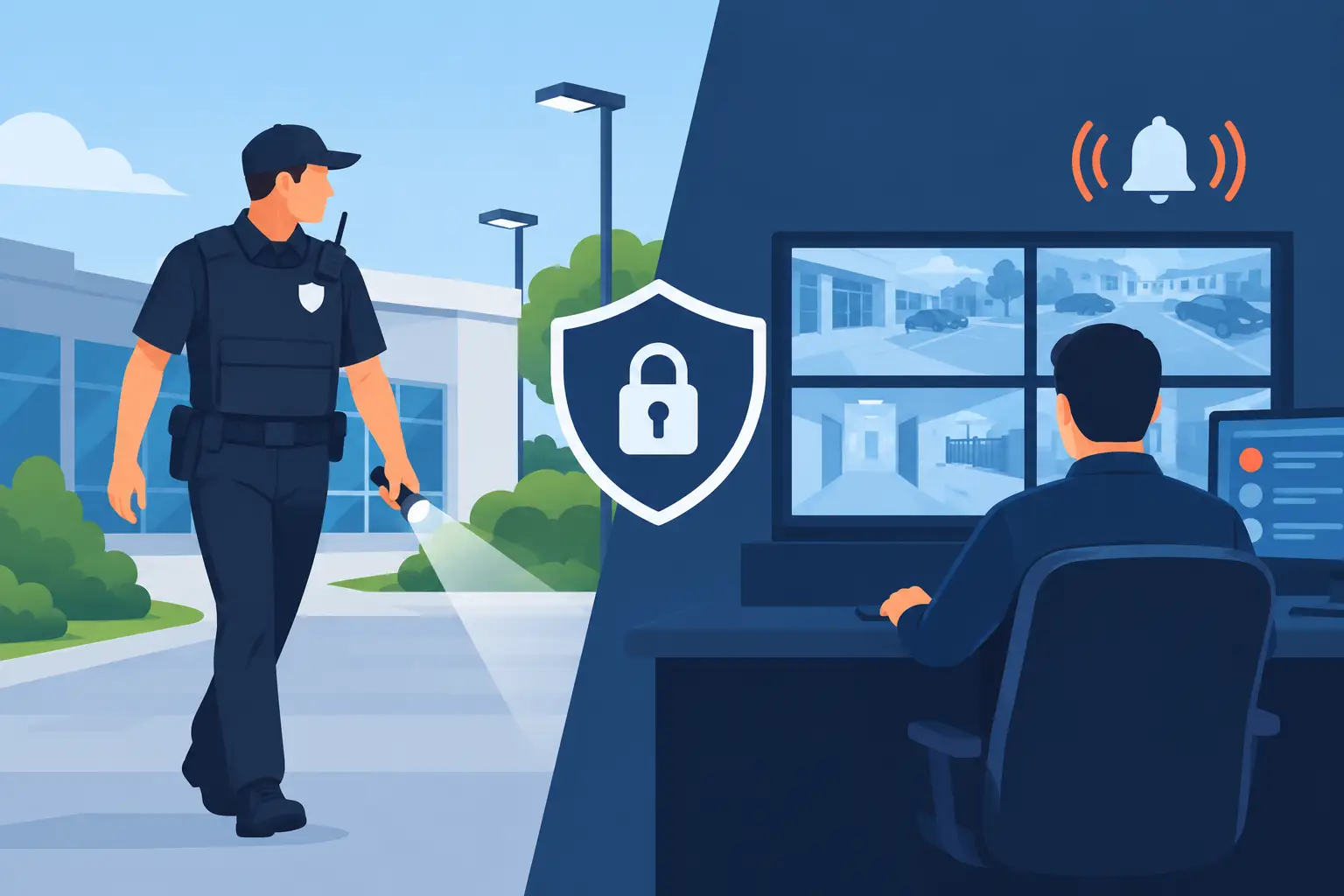
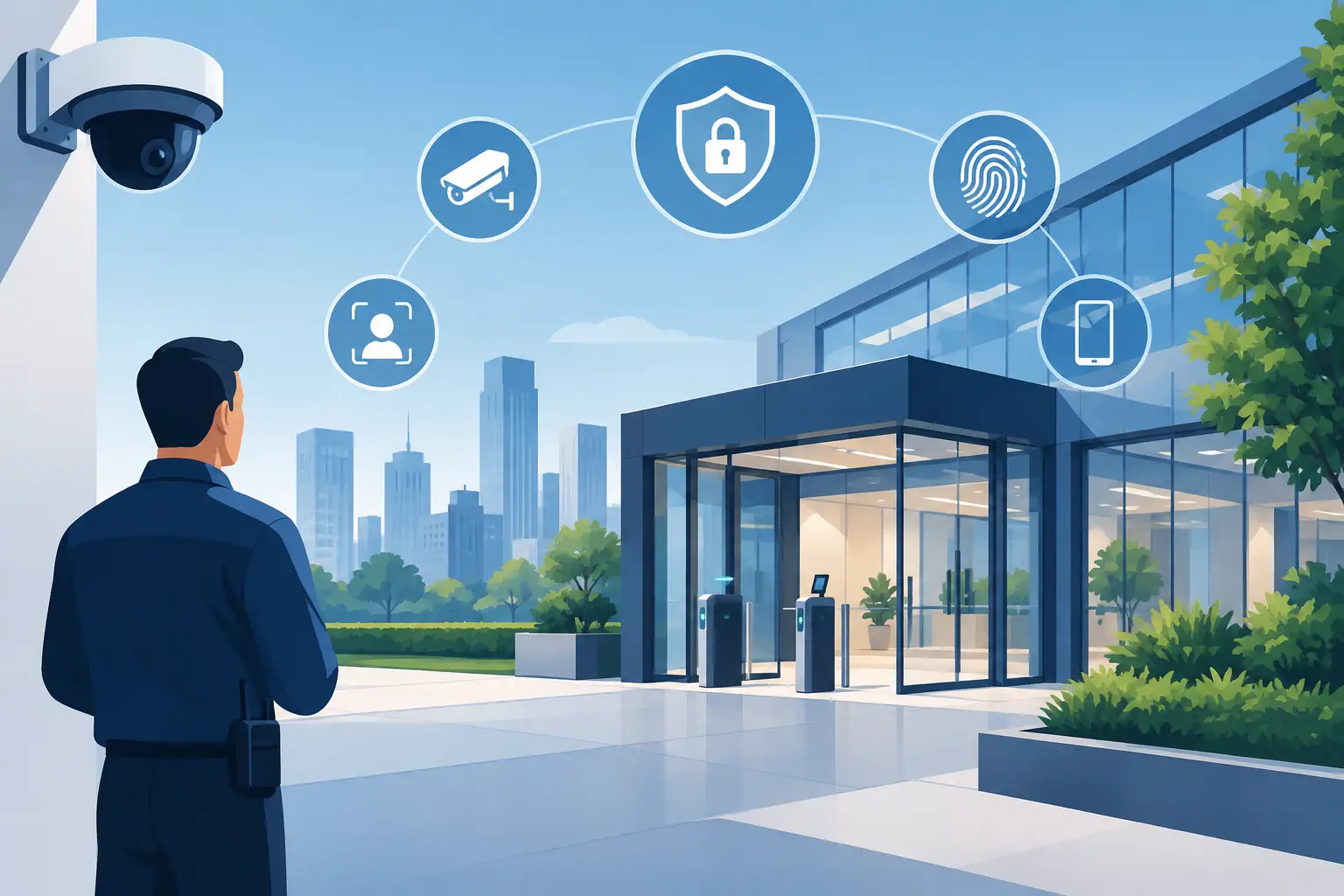
Armed security officers are private security professionals assigned to protect a client’s people, property, operations, and assets. Their work is directed by the scope of service established with the client and carried out under applicable licensing, training, and company policies. They may manage access control, patrol a facility, monitor cameras, deter theft, document incidents, escort personnel, respond to alarms, and coordinate with law enforcement when needed.
Off-duty police officers are sworn law enforcement personnel working a secondary assignment outside their regular shift. Depending on state law, local policy, and the terms of the assignment, they may retain law enforcement authority while working. That authority can be valuable in settings where arrest powers, immediate enforcement action, or a highly visible law enforcement presence is central to the security plan.
The distinction matters because a security program should not be built around a title alone. A business needs clear expectations about who is responsible for prevention, observation, intervention, reporting, escalation, and communication with management.
When Armed Guards Are the Better Operational Fit
Armed guards are often the more practical choice for ongoing, business-focused protection. They are specifically deployed to support the client’s daily operations, which means their post orders, patrol routes, reporting procedures, access protocols, and customer-service expectations can be customized to the site.
For example, a distribution center may need an officer who understands truck-gate procedures, verifies credentials, conducts perimeter checks, and reports damaged fencing before it becomes an access problem. A corporate office may need discreet lobby coverage that protects employees without making visitors feel they are entering a controlled government building. A retail property may need visible patrols that deter theft and loitering while maintaining a professional experience for paying customers.
An established private security provider can build coverage around those requirements. The program can include dedicated officers, mobile patrol, rapid response, supervisor oversight, incident documentation, and adjustments as site conditions change. That consistency is particularly valuable for multi-location organizations that need common standards across properties.
Armed guard services can also provide more predictable staffing for recurring assignments. A client can define the hours, uniforms, equipment requirements, reporting cadence, and escalation protocols needed for the post. The security team is there to execute a client-specific mission, not simply to provide a law enforcement presence.
The limits of private security authority
Armed guards are not police officers, and responsible security planning does not blur that line. Their authority, use-of-force parameters, detention authority, and reporting obligations are governed by law and by their employer’s policies. In California, for example, armed security officers must meet licensing and permit requirements, but they do not receive the broad powers of a sworn peace officer.
That is not a weakness when the assignment is properly designed. Most security work is won before force is ever required: through visible deterrence, controlled access, early detection, calm communication, accurate observation, and timely calls to law enforcement. The value of a professional armed officer is disciplined prevention and response within a defined role.
When Off-Duty Police May Be Appropriate
Off-duty police can be a strong fit for situations with an elevated likelihood of criminal activity, large crowds, contentious interactions, or immediate enforcement needs. High-profile events, nightlife venues, labor disputes, sensitive public meetings, and locations with a documented history of serious violent incidents may benefit from a sworn officer’s presence.
The visible authority of an off-duty officer can also discourage behavior that might not be deterred by standard private security alone. If an incident develops rapidly and requires law enforcement intervention, an officer may be positioned to act faster than a private guard who must contact local police and wait for their arrival.
However, organizations should confirm the details instead of assuming every off-duty assignment works the same way. Police department policies may govern where officers can work, what uniforms or vehicles they can use, whether they may exercise police authority, who provides equipment, and how scheduling is handled. The officer’s primary law enforcement obligations can also affect availability if an emergency requires recall to duty.
Off-duty police coverage may be less suitable for routine posts that require a highly customized, continuous business-security function. A property that needs hourly patrol verification, visitor management, loading dock controls, daily reporting, and direct integration with facility staff may be better served by a dedicated security team with clear site-specific post orders.
Compare Cost, Availability, and Control
Cost matters, but the lowest hourly rate is rarely the lowest total risk. Off-duty police assignments commonly carry a higher hourly cost than private security, and availability can be limited by local department policies, minimum shift requirements, and demand for officers during holidays, major events, or periods of heightened activity.
Armed guard programs generally provide greater flexibility in scheduling and deployment. Coverage can be designed for one post, multiple posts, overnight patrols, temporary assignments, or a combination of fixed officers and mobile response. This makes armed security a practical option for organizations that need reliable coverage over weeks, months, or years rather than a short-term presence.
Control is another factor. With a private security partner, the client can establish a service plan that addresses specific operational concerns: visitor procedures, key control, incident notifications, reporting formats, camera monitoring, delivery access, employee escorts, and emergency contacts. Those details are what make security effective on an ordinary Tuesday, not just during a major incident.
Build the Decision Around Risk, Not Perception
Before choosing either resource, assess the threats facing the site. Consider the history of theft, trespassing, violence, vandalism, workplace disputes, unauthorized access, and emergency calls. Evaluate the site layout, operating hours, neighborhood conditions, staffing levels, valuable assets, and whether the public has regular access to the property.
Then ask what the security presence must accomplish. Is the priority deterrence, access control, crowd management, asset protection, employee safety, rapid law enforcement authority, or continuity during an emergency? A hospital-adjacent medical office, a construction site, a financial institution, and a music venue may all need armed coverage, but their security plans should not look alike.
For some organizations, the best answer is a layered approach. Armed guards can provide consistent, client-focused coverage and early incident detection, while off-duty police are used selectively for high-attendance events, known high-risk periods, or special circumstances. This approach helps direct higher-cost law enforcement resources where they have the greatest operational value.
Questions to Settle Before You Hire
A sound security decision requires more than a staffing quote. Confirm the provider’s licensing, insurance, training standards, supervision, communication procedures, and incident-reporting practices. Ask how officers are selected for armed assignments, how relief coverage is handled, and who is available after hours when conditions change.
If considering off-duty police, verify agency approval requirements and clarify the officer’s role on your property. Determine whether the assignment includes full law enforcement authority, what happens if the officer is called away, and how incidents will be documented and communicated to your management team.
Most importantly, make sure the security resource can work professionally within your environment. Effective protection should support business continuity, not create unnecessary friction for employees, residents, tenants, or guests.
Springfield Private Security approaches this decision as an operational planning issue, not a one-size-fits-all staffing choice. The objective is to place the right level of trained, dependable protection where it will reduce risk and support the client’s mission.
The strongest security program is the one your team can rely on when the routine breaks. Start with the risks you can identify, define the response your operation truly needs, and choose coverage that remains disciplined, visible, and ready when conditions change.