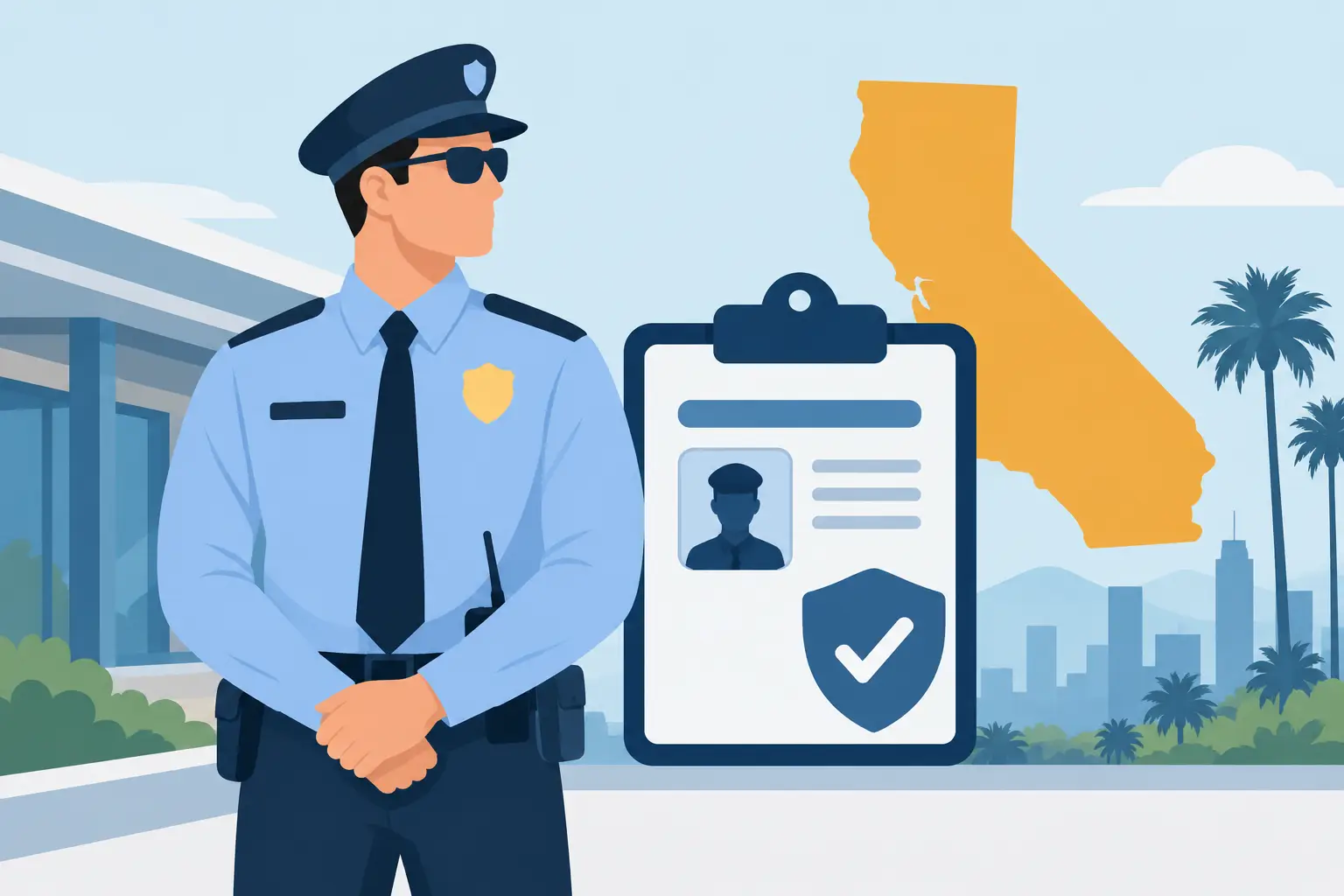
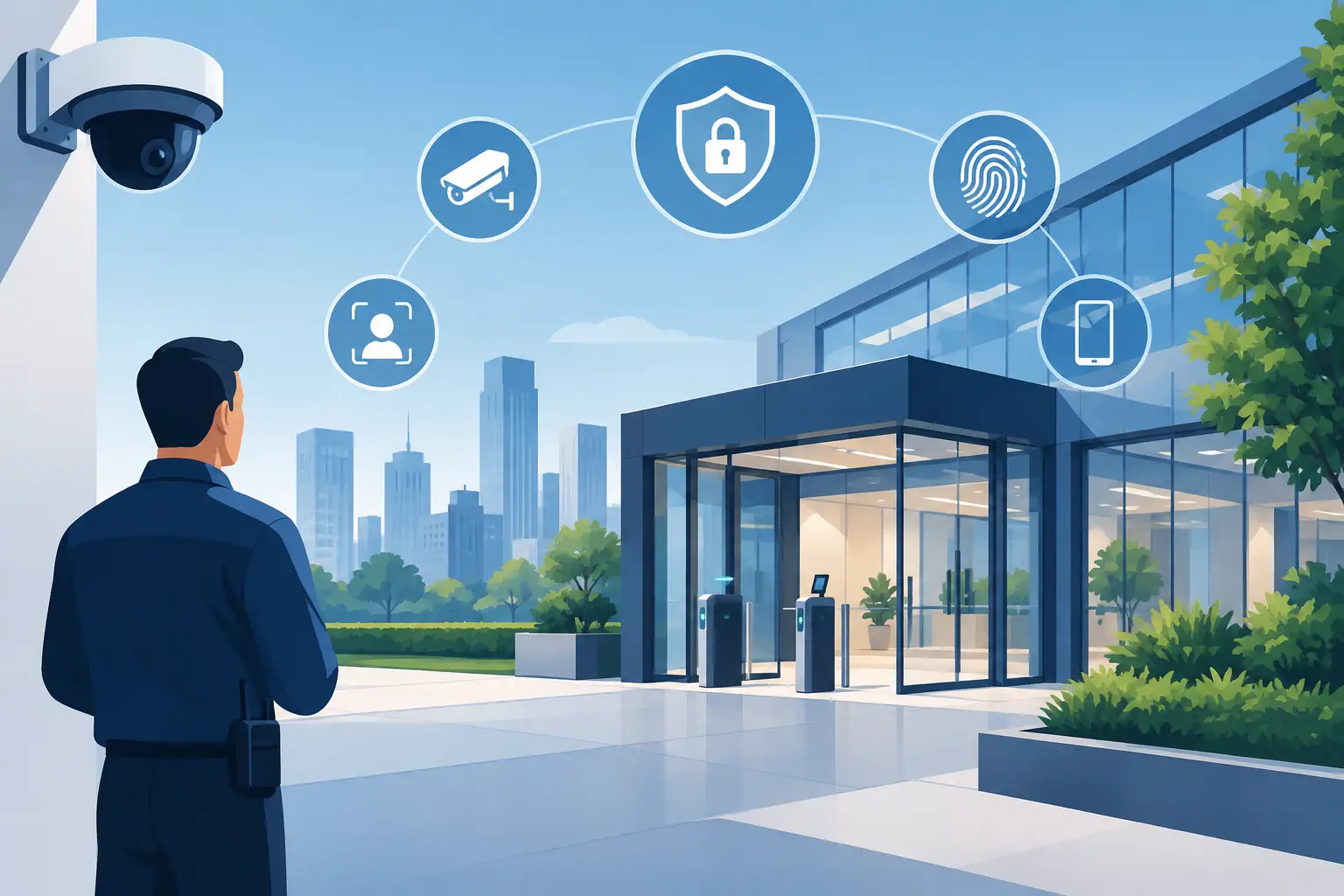
A loading dock door left unsecured, an aggressive visitor in a lobby, or a power outage during a crowded event can stop operations faster than most contingency binders anticipate. Business security continuity is the operational discipline that keeps people protected and essential work moving when conditions change without warning.
For business owners, property managers, and operations leaders, continuity is not simply a recovery plan stored on a shared drive. It is the ability to make sound decisions in the first minutes of an incident, maintain control of the site, communicate clearly, and return to normal operations without exposing employees, customers, or assets to additional risk.
What Business Security Continuity Means in Practice
Business continuity is often associated with data backups, insurance, alternate work locations, and disaster recovery. Those measures matter. But a continuity plan can fail at the front door if no one is prepared to manage access, direct occupants, protect a restricted area, or coordinate with emergency services.
Security continuity connects physical protection to operational priorities. It asks practical questions: Who has authority to close or reopen a facility? How are employees accounted for during an evacuation? What happens when a keyholder cannot reach the site? How will deliveries, visitors, vendors, and tenants be managed during a disruption?
The answers will differ by location. A medical office, warehouse, retail center, financial institution, construction site, and corporate campus do not face the same risks or operate on the same timetable. A useful plan is customized to the site, its people, its hours, and the consequences of interruption.
The First Minutes Set the Direction
Most incidents do not begin as full-scale emergencies. They start with a suspicious person, a damaged gate, a conflict in a parking area, an alarm activation, a weather alert, or an employee reporting something that does not look right. The quality of the early response often determines whether that issue remains contained or becomes a costly shutdown.
Trained security personnel give an organization an immediate point of control. They can assess conditions, preserve access restrictions, notify the correct contacts, document what occurred, and support law enforcement or fire personnel when they arrive. Just as critical, they can keep uninvolved employees and visitors away from the problem area so the rest of the operation can continue when it is safe to do so.
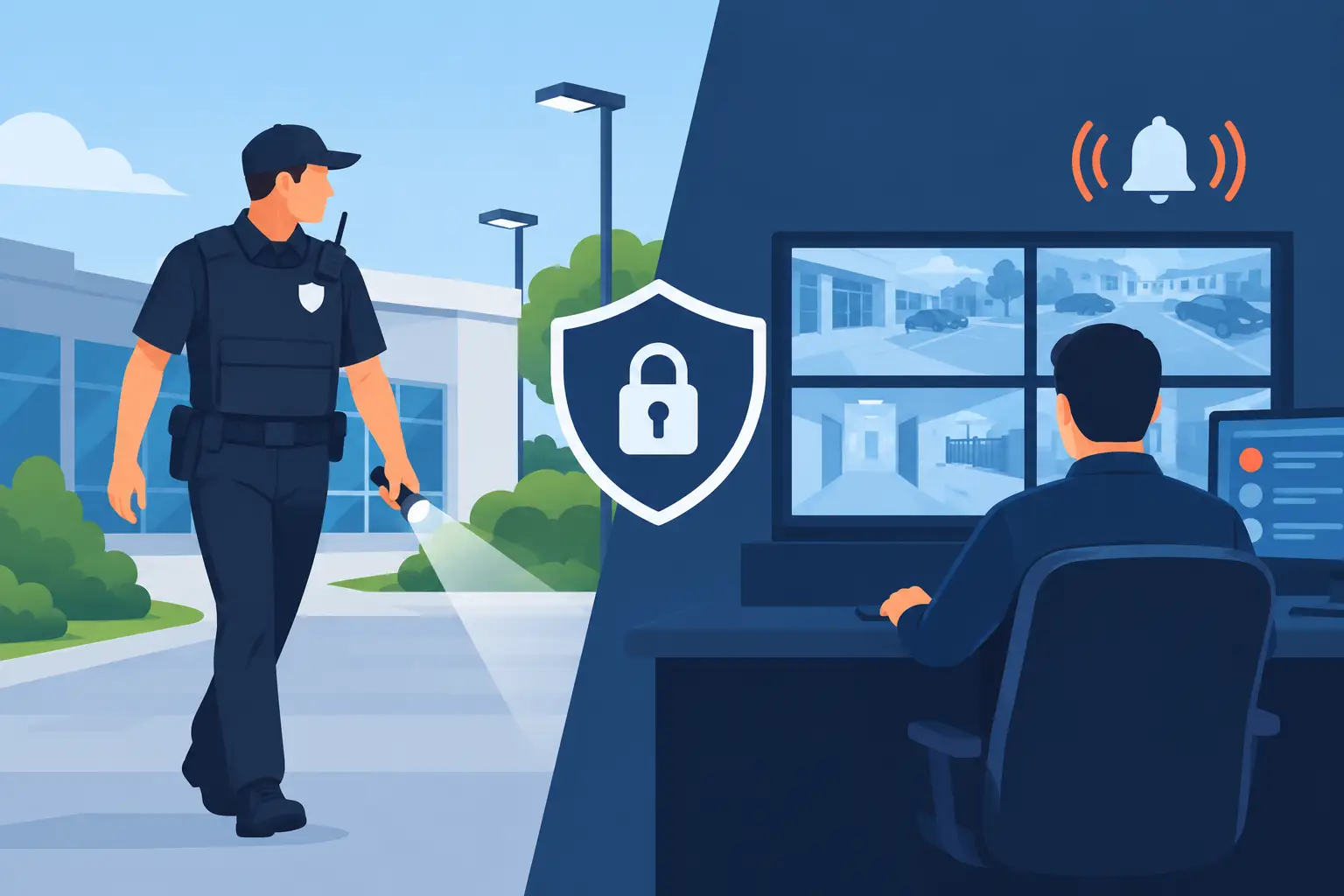
This is where visible preparedness has value. A professional officer at a commercial property is not there only to react to a crisis. Consistent patrols, access checks, observation, and early incident detection can identify concerns before they disrupt the entire facility.
Build Continuity Around the Operations You Cannot Lose
A generic emergency template is better than having no plan, but it rarely addresses the functions that actually keep a business running. Start by identifying the operations that cannot stop for long without causing serious financial, safety, contractual, or reputational damage.
For a distribution facility, that may be receiving, shipping, gate access, and inventory protection. For a multifamily property, it may be resident access, life-safety systems, parking control, and communication with maintenance teams. For an event organizer, it may be credentialing, crowd movement, emergency exits, and rapid coordination with venue leadership.
Once those priorities are clear, determine how each function will be protected during a disruption. This may include alternate entry points, restricted access procedures, emergency staffing, scheduled patrols, backup communication methods, and clear escalation contacts. The objective is not to keep every activity operating at full capacity. It is to protect essential functions while conditions are stabilized.
There are trade-offs. Tighter access control can slow vendor traffic. A highly visible officer presence may reassure some customers while feeling out of place in a hospitality setting. The right approach depends on the environment. Security should support the client experience and operating model rather than create unnecessary friction.
Put Clear Authority and Communication in Place
Confusion is a continuity risk. During an active incident, staff should not have to debate who can lock down an area, pause operations, contact leadership, or authorize a return to normal activity.
A practical response structure defines decision-makers and backups for every shift. It also establishes what information must be communicated, to whom, and through which channels. Employees need instructions that are direct enough to follow under stress. Security teams need current contacts, site maps, access protocols, and an understanding of the client’s operational priorities.
Communication should be controlled, not delayed. Sharing unverified details can create panic or complicate an investigation, but silence can leave employees, tenants, and customers unsure how to act. The best plans distinguish between internal operational updates, emergency notifications, media inquiries, and communication with law enforcement.
Documentation also matters. Accurate incident reports, patrol logs, access records, and observations create a factual timeline. That record can support insurance claims, internal reviews, legal response, and future improvements to the continuity plan.
Test the Plan Where Work Actually Happens
A plan that has never been tested is an assumption. Tabletop exercises are useful for reviewing roles and decisions, but they should be paired with site-based testing whenever possible. Walk the evacuation route. Check whether emergency exits are accessible. Confirm that after-hours contacts answer. Review whether officers can reach critical areas and whether access credentials work as intended.
Testing should focus on credible scenarios, not dramatic ones chosen for effect. Consider an after-hours intrusion, a workplace violence concern, a utility failure, a fire alarm, a protest near the property, a medical emergency, or a severe weather event. Multi-location organizations should also consider what happens when the same disruption affects several sites at once.
Each exercise should produce specific corrections. Perhaps the emergency contact list is outdated, a camera view is blocked, a gate procedure is unclear, or the night shift has not received the same training as day staff. Small corrections made early can prevent major failures later.
Use Security Coverage That Can Scale With Risk
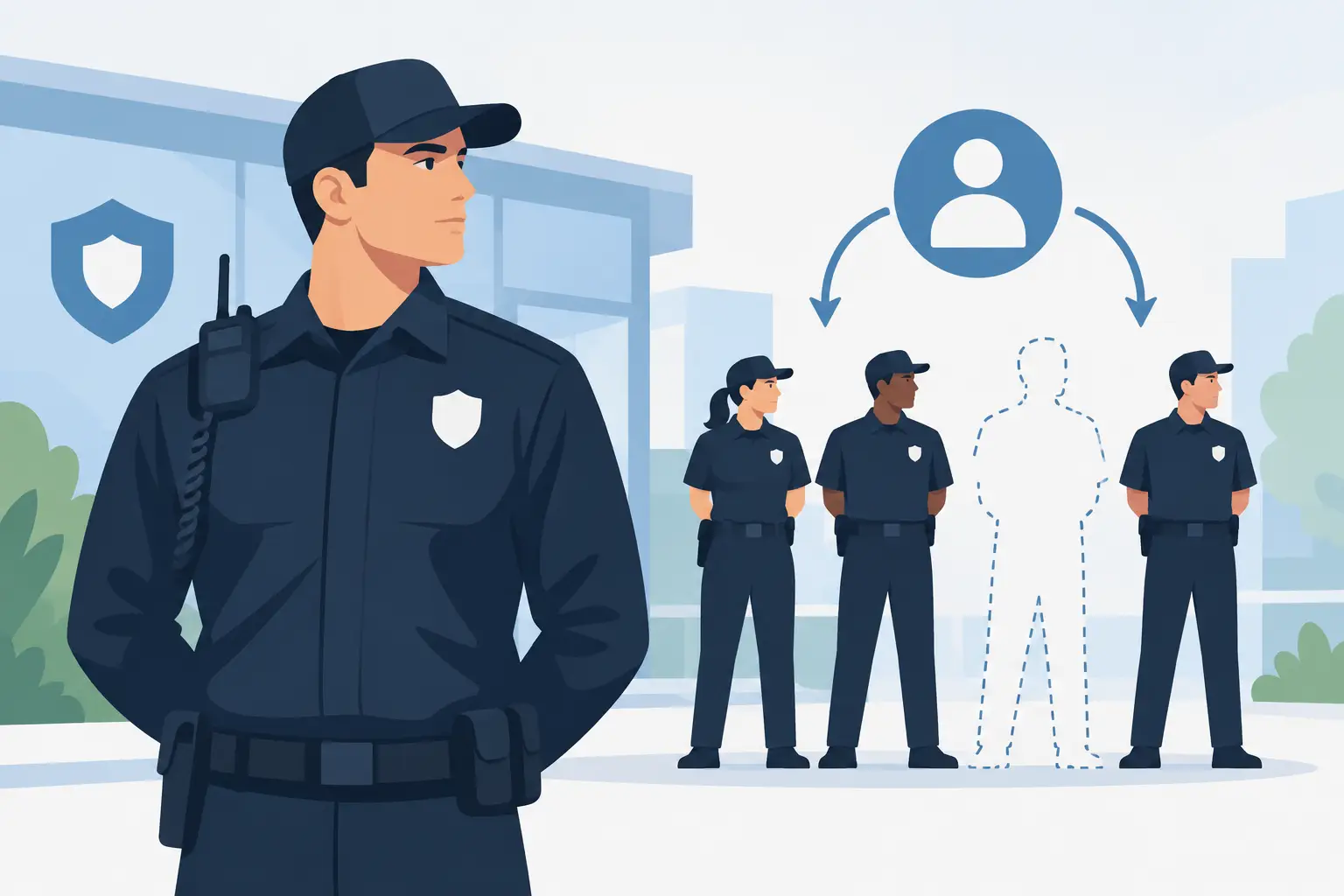
Security needs are not static. A property may require routine mobile patrol during normal operations, then need dedicated officers after a theft pattern, employee termination, local unrest, or facility damage. An event may need access control before doors open, crowd management during peak attendance, and an organized exit plan afterward.
A continuity-minded security partner should be able to adjust coverage without losing familiarity with the site. That means understanding the property layout, client expectations, vulnerable points, reporting requirements, and escalation procedures before an incident occurs.
At Springfield Private Security, this approach begins with the client’s business objectives. Armed or unarmed officers, mobile patrol, rapid response, event coverage, and consulting can be structured around the risks that matter most to the operation. The goal is disciplined protection that supports people and property without interfering with legitimate business activity.
Review After Every Incident, Not Just Major Emergencies
A continuity plan should evolve after real-world events. Even a minor incident can reveal a gap in access control, reporting, training, staffing, or communication. Waiting for a major loss to make improvements is an avoidable risk.
After an incident, review what happened, what worked, where response slowed, and what conditions allowed the issue to develop. Include the people closest to the event: site leadership, security personnel, facilities teams, and operations staff. Their observations are often more useful than assumptions made from a distance.
The strongest business security continuity programs are not built around fear. They are built around readiness, disciplined execution, and a clear understanding of what the organization must protect to keep serving its people and customers. When an incident tests the operation, prepared teams do not need to invent a response. They carry out one they have already practiced.