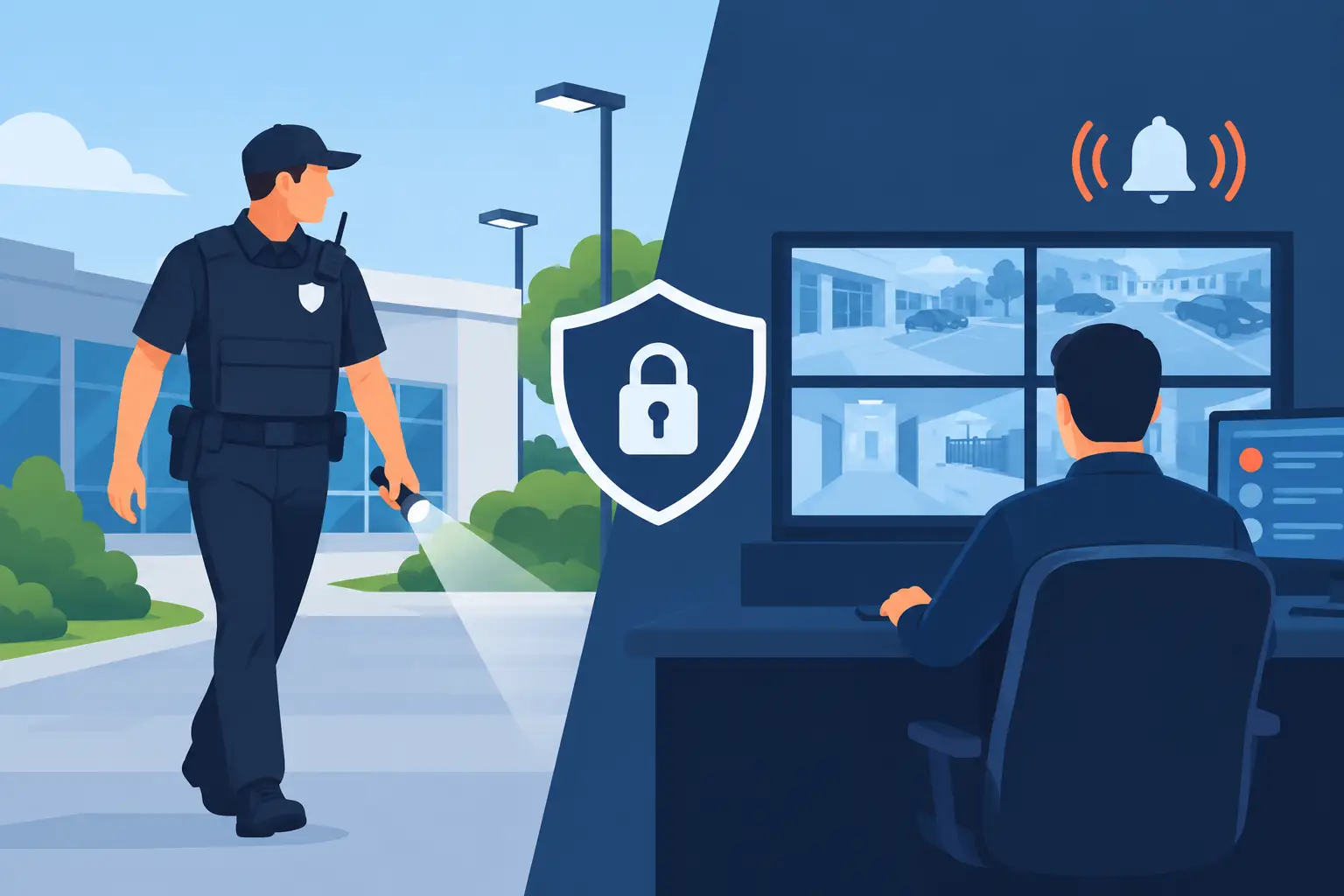
A missed shift at a commercial property is rarely just a scheduling problem. It can mean an unsecured entrance at opening, delayed response to a tenant complaint, an unmonitored loading area, or an event team forced to make decisions without trained support. Security staffing shortages turn small coverage gaps into operational risk quickly.
For property managers, business owners, and operations leaders, the question is not simply whether enough officers are on the schedule. The question is whether the security program will perform when attendance, turnover, illness, competing demand, or an unexpected incident puts pressure on the plan. Reliable protection requires more than filling posts. It requires disciplined staffing, field supervision, clear expectations, and a provider prepared to respond when conditions change.
Why Security Staffing Shortages Create Business Risk
A vacant security post changes the risk profile of a site immediately. Visible officer presence may deter trespassing, theft, disorderly conduct, and unauthorized access. When that presence disappears, employees, visitors, tenants, and vendors may recognize the gap before leadership does. That can affect confidence as well as safety.
The operational impact depends on the environment. A retail location may lose oversight of entrances and high-value merchandise. A construction site may be exposed after hours. A healthcare, financial, or critical infrastructure facility may face access-control and compliance concerns. At an event, a last-minute vacancy can compromise guest screening, crowd management, traffic control, or emergency coordination.
Short staffing also places pressure on the officers who do report for duty. Excessive overtime and frequent post changes can contribute to fatigue, reduced situational awareness, and inconsistent reporting. Those conditions do not automatically lead to an incident, but they make dependable execution harder to sustain.
The most serious risk is often not a single open post. It is the lack of a tested response when the post cannot be filled as planned.
What Is Driving Security Staffing Shortages?
The security labor market is affected by the same pressures facing many essential service industries: competition for qualified workers, wage expectations, background-screening timelines, training requirements, and high demand for flexible schedules. In California and Nevada, employers may also compete across hospitality, logistics, retail, construction, healthcare, and other sectors that require dependable frontline personnel.
Security work has its own challenges. Officers are expected to remain alert, communicate professionally, document incidents accurately, apply post orders, and make sound decisions under pressure. In armed assignments, specialized roles, and high-risk environments, the qualification standard is higher still. A provider that treats the position as interchangeable labor may be able to fill a shift quickly, but not necessarily with an officer suited to the assignment.
Pay matters, but it is not the only issue. Clear supervision, realistic post orders, proper equipment, respectful client-site integration, and a defined path for development all affect retention. Organizations that want consistent coverage should evaluate whether their security partner has built an operating model that supports officers as well as clients.
The Difference Between Coverage and Capability
A schedule can show every shift assigned while the actual security program remains weak. An officer who arrives without site knowledge, proper training, reliable supervision, or an understanding of escalation procedures may provide limited value during a routine shift and create greater uncertainty during an emergency.
Capability means placing the right level of officer at the right post, with clear instructions and access to support. It means knowing which locations need a visible deterrent, which require strong customer-service skills, which need patrol coverage, and which demand specialized experience. This is especially relevant for multi-site organizations, where copying one staffing model across every location can leave important risks unaddressed.
How to Build a Staffing Plan That Holds Up
The most effective response to staffing pressure begins before a vacancy occurs. Security planning should identify the posts that are essential to life safety, access control, asset protection, and continuity of operations. Not every assignment carries the same consequence if coverage changes.
Start by reviewing each post with practical questions. What is the purpose of the post? What specific risks does the officer manage? What hours are most critical? Can technology, patrol checks, or adjusted procedures provide temporary support if a fixed position is unavailable? Who at the client site must be notified when coverage is affected?
This review often identifies opportunities to use resources more intelligently. A fixed overnight post may be necessary at one facility, while another property may be better supported through documented mobile patrols, electronic reporting, access-control improvements, and rapid-response availability. The right answer depends on site conditions, incident history, operating hours, local environment, and the client’s tolerance for risk.
Set Minimum Standards Before an Emergency
Every security program should define what qualifies an officer for each assignment. That may include licensing, required certifications, experience level, communication ability, familiarity with access-control systems, report-writing standards, and specialized training. For executive protection, bank security, critical infrastructure, or armed posts, the criteria should be even more specific.
Post orders should also be current, concise, and usable in the field. An officer covering a last-minute assignment needs more than an address and a shift time. They need to know where to check in, what areas to inspect, who has authority on site, what to document, and when to contact supervision or emergency services.
A well-written post order cannot replace site orientation, but it reduces avoidable errors and helps a qualified relief officer take control of the assignment quickly.
Require a Real Backup Process
A dependable security provider should be able to explain what happens when an officer calls out. Ask how relief officers are sourced, who confirms the replacement, when the client is notified, and how supervisory staff verify arrival. Vague assurances are not enough when a facility has a time-sensitive security requirement.
A practical backup process includes an on-call structure, access to trained relief personnel, clear escalation procedures, and documented communication with the client. It also includes honesty. If coverage will be delayed, decision-makers need timely information so they can activate temporary measures, such as restricting access points, adding management presence, changing delivery procedures, or requesting mobile patrol support.
The goal is not to promise that disruption can never occur. The goal is to control disruption and prevent surprises.
Use Technology to Support Officers, Not Replace Planning
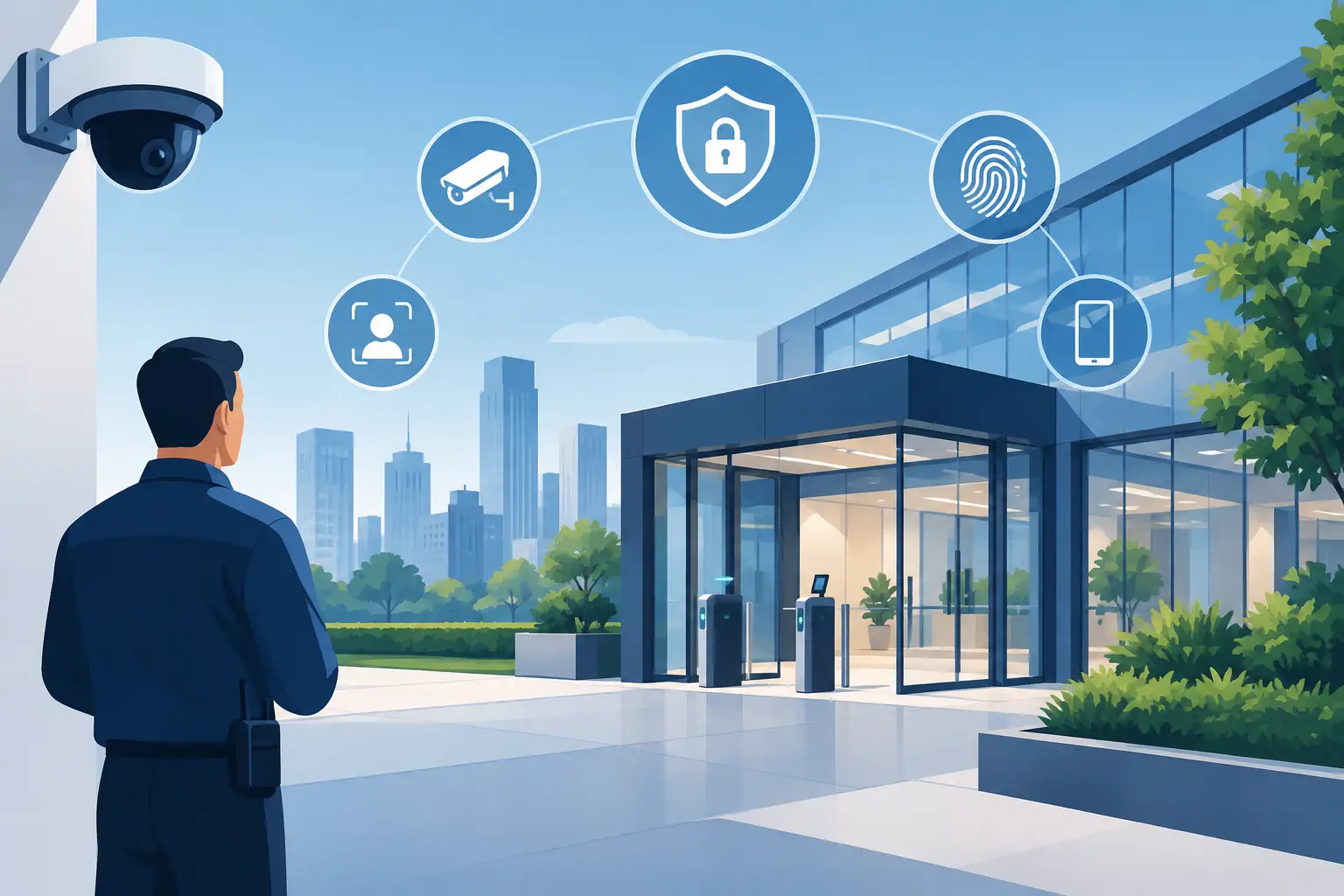
Cameras, access control, remote monitoring, GPS-verified patrol reporting, and incident-management tools can improve visibility and accountability. They can help leadership verify activity, review events, identify recurring issues, and make better staffing decisions. For some sites, these tools can reduce reliance on a fixed post during lower-risk hours.
Technology has limits. A camera may record unauthorized access, but it does not always stop it. An access-control system can restrict entry, but it cannot calm an escalating dispute, assist a visitor in distress, or make an informed judgment about changing conditions. Physical security officers provide presence, judgment, communication, and response that equipment alone cannot duplicate.
The strongest approach combines people, procedures, and technology based on actual risk. If a staffing gap occurs, technology can provide an additional layer of awareness while the provider restores appropriate officer coverage.
Questions to Ask a Security Provider
Before signing or renewing a security contract, decision-makers should look beyond the hourly rate. The lowest-priced proposal can become expensive if it leads to open posts, constant officer turnover, poor reporting, or weak incident response.
Ask how the provider recruits and screens officers for your type of environment. Ask about supervisor-to-officer coverage, training before deployment, call-off response procedures, and the process for replacing an officer who is not a fit for the site. Request clarity on reporting, quality assurance, and after-hours communication.
It is also reasonable to ask for a staffing plan tailored to your locations rather than a generic promise of coverage. A capable partner should be willing to discuss trade-offs openly. For example, adding a second officer at peak hours may reduce risk more effectively than maintaining a single post around the clock. A mobile patrol route may be appropriate for a low-traffic property, but insufficient for a facility with active public access.
A Security Partnership Should Protect Continuity
Staffing stability is not achieved through scheduling alone. It is built through officer selection, field leadership, fair expectations, training, communication, and a security design that matches the site. When one of those elements is missing, the client often feels the effects first through late arrivals, inconsistent performance, and unanswered concerns.
Springfield Private Security approaches staffing as part of a broader protection mission: keeping people, property, and operations secure without creating unnecessary friction for the business. That requires disciplined preparation, responsive supervision, and service plans that can adapt when conditions change.
The right time to test a staffing plan is before the next call-off, major event, tenant issue, or after-hours incident. Review the posts that matter most, confirm who responds when coverage changes, and make sure every person involved knows the next step. Preparedness gives your operation options when the schedule does not go as planned.