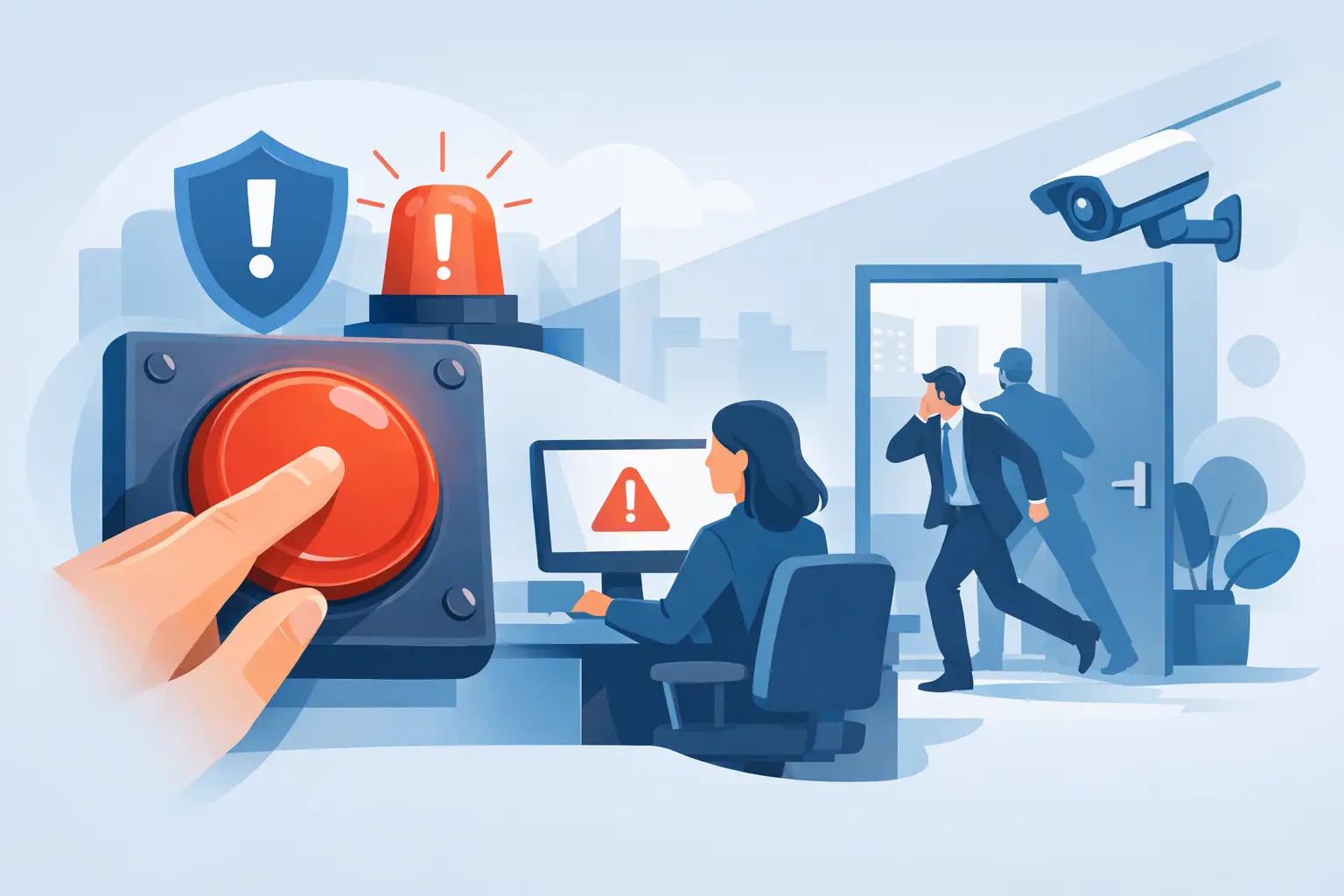
A forced-door alarm at 2:13 a.m. creates one immediate question: who will be there to assess the situation? The choice between security patrol versus alarm monitoring affects more than a monthly security budget. It determines how quickly an incident is identified, who takes action, and whether your property has a trained physical presence when normal operations are closed.
Alarm monitoring and mobile patrol services can both be valuable parts of a protection plan. They are not interchangeable. One provides remote detection and notification; the other places trained officers in the field to inspect, deter, document, and respond. The right answer depends on your location, risk profile, operating schedule, assets, and tolerance for disruption.
Security patrol versus alarm monitoring: different functions
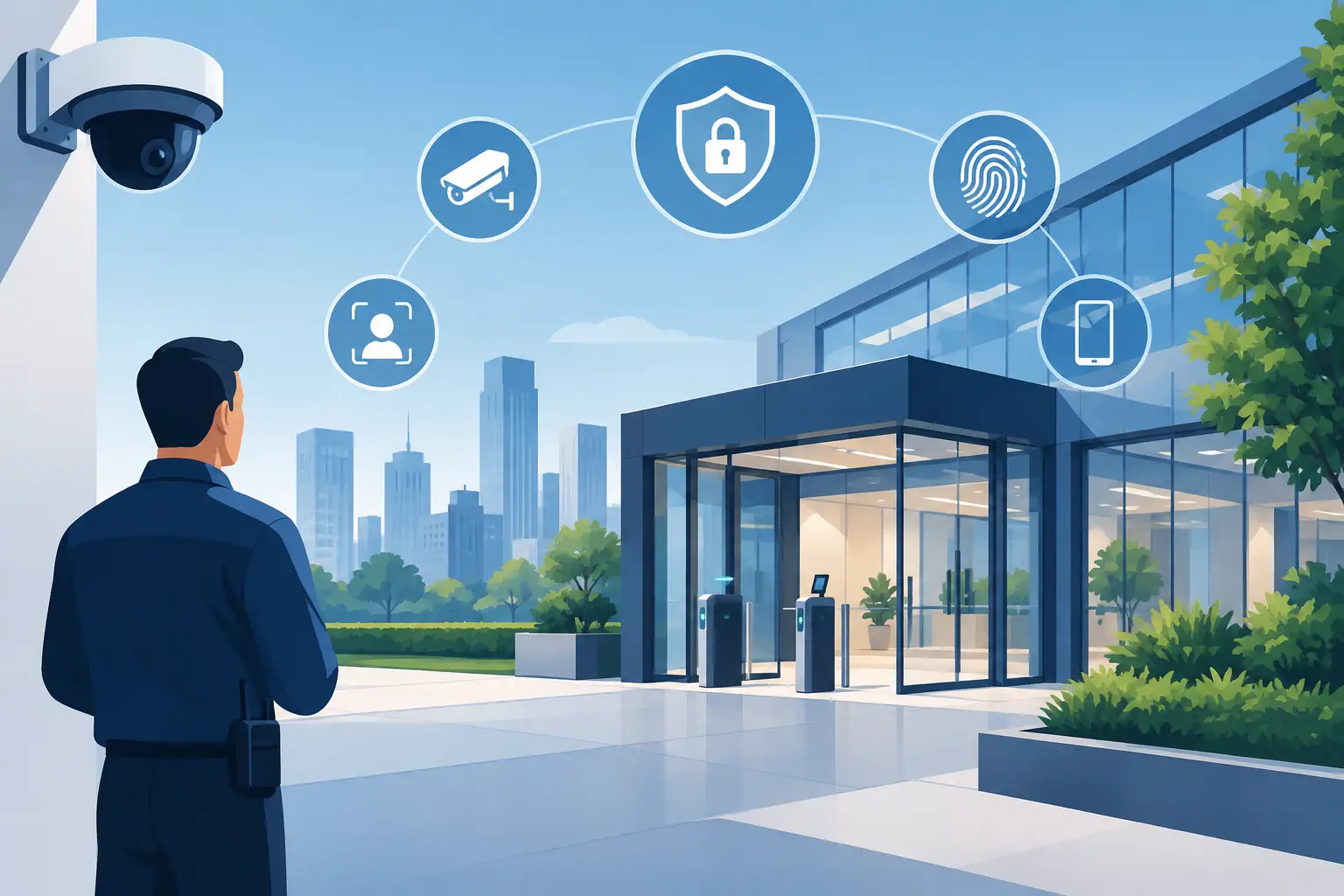
Alarm monitoring begins with technology. Door contacts, motion detectors, glass-break sensors, panic buttons, cameras, and other devices send signals to a monitoring center when a programmed condition is triggered. Monitoring personnel follow established procedures, which may include contacting designated staff, dispatching emergency services, or escalating the event based on the alarm type and account instructions.
The value is continuous remote oversight. A monitored alarm can identify a problem when no employee is on site, and it can maintain coverage across nights, weekends, holidays, and multiple locations. For many businesses, that is an essential first layer of protection.
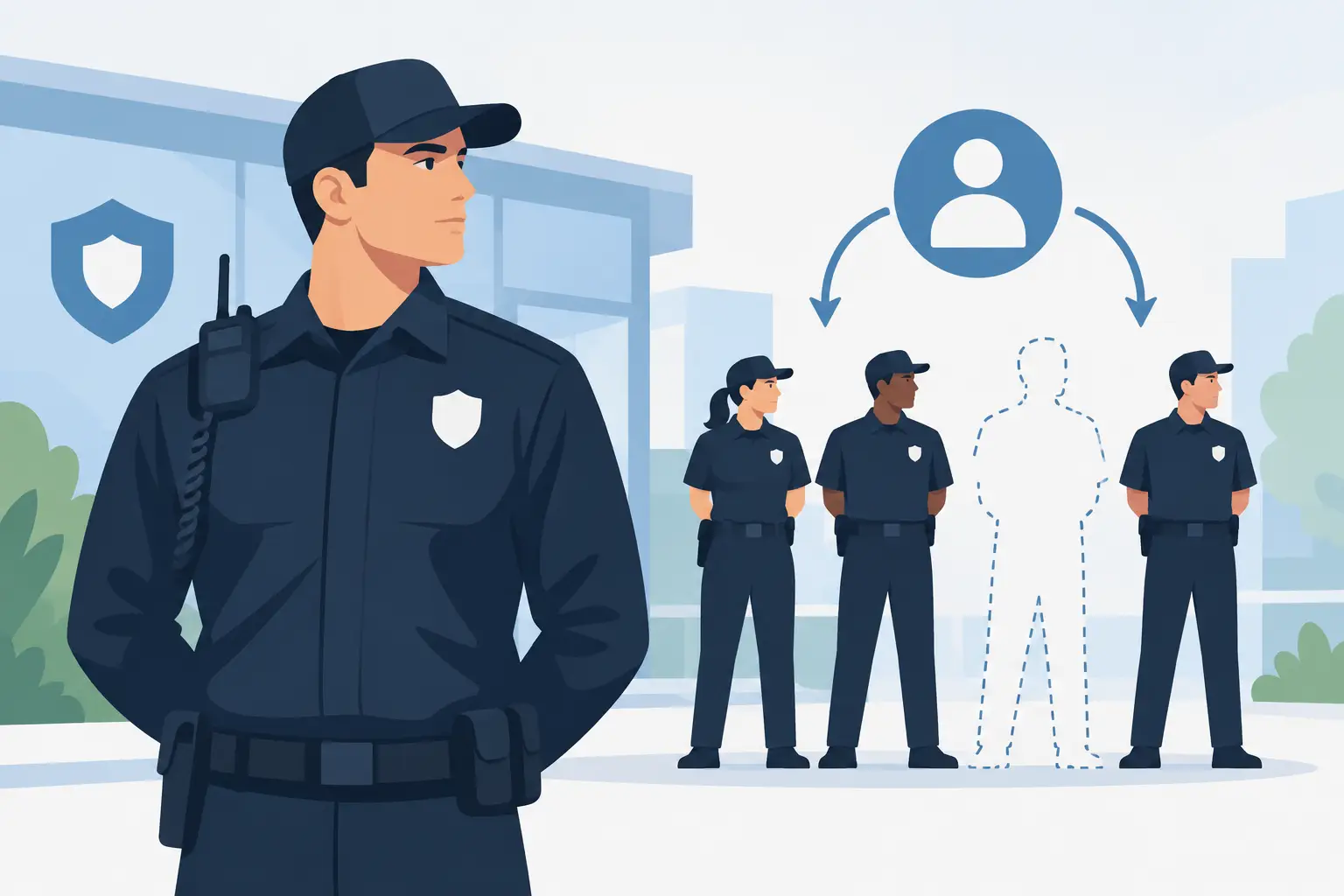
A mobile security patrol is a physical service. An officer makes scheduled or randomized visits to a property, checks doors, gates, lighting, vehicles, perimeter conditions, and signs of suspicious activity. Depending on the agreement, patrol personnel may also respond to alarms, open and close facilities, conduct welfare checks, secure a site after an incident, and provide written activity reports.
The difference is straightforward: alarm monitoring tells the right people that something may be wrong. Security patrol provides a trained person who can see conditions on the ground and take appropriate next steps within the scope of the assignment.
What alarm monitoring does well
Alarm monitoring is often the most economical way to maintain 24-hour awareness at a lower-risk location. It is particularly useful for offices, small retail sites, storage areas, and satellite locations that are unoccupied for long periods but still need a clear escalation path if an entry point is breached.
It also scales efficiently. An organization with multiple California or Nevada sites can use a consistent monitoring process across its portfolio, with site-specific contact lists and response instructions. That consistency reduces the chance that an employee receives a late-night alert without knowing what authority they have or what they are expected to do.
Monitoring has limits, however. A signal does not explain the full situation. A motion alarm may be caused by an intruder, an employee who entered improperly, a maintenance issue, an animal, or an equipment failure. Even video verification may not reveal what is happening around the back of a building, inside a restricted area, or beyond the camera’s view.
Police response also varies by jurisdiction, call volume, and the information available to dispatchers. Many agencies appropriately prioritize active threats and emergencies over property alarms, especially where repeated false alarms are common. Monitoring should never be treated as a guarantee that someone will arrive at a specific time.
What mobile patrol adds to the security plan
A marked patrol vehicle and uniformed officer create visible deterrence. People considering trespass, theft, vandalism, or unauthorized access are more likely to reconsider when they see that a location receives active attention. This is especially relevant for construction sites, industrial properties, shopping centers, vacant buildings, multifamily communities, and facilities with outdoor equipment or inventory.
Patrol officers can also identify issues that alarm systems may not detect. A damaged fence, an unsecured loading door, pooled water near an entrance, a vehicle left in a fire lane, poor exterior lighting, or suspicious loitering may not trigger an alarm. Left unaddressed, each can become a safety, liability, or operational concern.
When dispatched to an alarm, a trained patrol officer can perform an exterior assessment, check authorized access points, determine whether visible signs of forced entry are present, and follow the client’s response protocol. If law enforcement or fire personnel are needed, the officer can provide useful on-scene information and remain available to secure the property after the event.
Patrol is not the same as a dedicated, full-time officer. Unless your agreement calls for continuous coverage, a mobile officer will not be stationed at the property every minute. Response times can be affected by patrol routes, traffic, weather, concurrent incidents, and distance from the site. A professional provider should set realistic expectations rather than promise an exact arrival time under every condition.
When alarm monitoring may be the better fit
Alarm monitoring can be the appropriate primary measure when the site has a relatively low incident history, strong physical security, limited public access, and no major consequence from a short delay before someone assesses an alarm. A small professional office that closes nightly, for example, may need reliable alerting and a clearly assigned keyholder more than routine patrol visits.
It can also be a practical first step for organizations building a security program. Installing and properly managing monitored intrusion detection may address an immediate gap while leadership evaluates whether additional physical coverage is justified.
The key is to establish clear procedures. Confirm who receives alerts, who can authorize access, who contacts law enforcement, and what happens if the primary contact does not answer. An alarm system without current contact information and documented escalation instructions is not a complete response plan.
When security patrol is worth the investment
Mobile patrol becomes more valuable as exposure increases. Properties with repeated trespassing, theft, vandalism, illegal dumping, or after-hours activity often benefit from visible checks and rapid on-site assessment. The same is true for businesses with expensive tools, vehicle fleets, copper, pharmaceuticals, sensitive records, high-value merchandise, or critical equipment stored outside normal operating areas.
Patrol is also a strong fit when managers do not want employees serving as overnight responders. Asking a facilities manager, store supervisor, or owner to investigate an alarm alone can create unnecessary personal risk and disrupt the business the next day. A trained officer provides a more disciplined option while keeping employees focused on their actual responsibilities.
For properties open to the public, patrol can support daily operations as well as after-hours protection. Officers may help enforce access procedures, monitor parking areas, report hazards, and provide a professional point of contact during incidents. The goal is not to interfere with staff or guests. It is to maintain a controlled environment where normal business can continue.
The strongest plans often use both
For many commercial and institutional clients, the decision is not patrol or monitoring. It is a layered approach. Monitored alarms provide constant detection, while mobile patrol supplies visible deterrence and physical response. Each covers a weakness in the other.
A warehouse may use intrusion detection to identify after-hours access, scheduled patrols to check the perimeter and trailers, and alarm response coverage to assess activations. A retail center may pair cameras and monitoring with patrol checks focused on parking lots, loading areas, and tenant access points. A construction project may add variable patrol times because predictable routines are easier for offenders to observe.
The service plan should be built around the actual operating environment. A provider should review site layout, prior incidents, access points, neighborhood conditions, asset value, employee schedules, and existing technology before recommending coverage. Generic security packages often leave the most significant risks untouched.
Questions to ask before selecting coverage
Before deciding, determine what event you are trying to prevent or manage. Is the primary concern burglary after closing, employee safety during opening and closing, unauthorized access, vandalism, emergency response, or recurring disorder on the property? The answer should drive the service design.
Ask how alarms are verified and escalated, whether a patrol officer can respond, what the expected dispatch process looks like, and how incidents are documented. You should also clarify officer training, licensing, supervisor availability, communication procedures, and whether the provider can adjust coverage when risk conditions change.
A useful security partner will not sell visibility when you need response, or sell technology when you need an officer on site. They will identify the practical gap between your current controls and the protection your people, property, and operations require.
The most effective security decision is the one your team can rely on at 2:13 a.m. Build coverage around the real consequences of an incident, assign clear response authority, and choose professionals prepared to protect the site without disrupting the work that keeps your organization moving.