A security decision becomes urgent when an incident exposes a gap, but the strongest plans are made before that moment arrives. Armed security can provide a meaningful layer of protection for businesses, properties, institutions, and events facing elevated risk. It is not a default answer for every location. It is a specialized capability that must match the environment, the threat profile, and the organization’s operational needs.
For decision-makers, the question is not simply whether a firearm is present. The real question is whether trained, licensed professionals can deter threats, respond appropriately, and protect people without creating unnecessary disruption for employees, customers, tenants, or guests.
What Armed Security Is Designed to Do
Professional armed officers are assigned to environments where the potential consequences of violence, targeted criminal activity, or a delayed response are significant. Their visible presence can discourage opportunistic crime, strengthen access control, and provide immediate on-site response while law enforcement is en route.
That response capability matters in settings where minutes can affect life safety, business continuity, and liability exposure. A trained officer can identify unusual behavior, intervene early when appropriate, communicate with site leadership, secure an area, and coordinate with emergency responders. The firearm is only one part of that role. Sound judgment, de-escalation skills, observation, communication, and adherence to post orders are equally important.
Effective coverage is never based on appearance alone. An armed officer should understand the site, its people, its routines, entry points, emergency procedures, and the specific situations that could affect operations. That preparation turns a guard post into an active protective function.
When Armed Security May Be Appropriate
An armed assignment should follow a documented assessment of risk rather than a general desire for a stronger presence. Businesses may consider armed coverage when they handle high-value assets, operate during vulnerable hours, receive credible threats, manage controlled access, or have a history of violent incidents or serious criminal activity nearby.
Financial institutions, dispensaries, critical infrastructure sites, executive offices, construction projects with valuable equipment, and certain retail locations may face risks that justify armed personnel. Event organizers may also need armed officers when a large crowd, high-profile attendees, alcohol service, contentious issues, or a known threat raises the level of concern.
The right decision can also depend on location. A multi-site organization may have one facility that requires armed coverage while other locations are better served by unarmed officers, mobile patrols, cameras, access controls, or a combination of these measures. Security should be scaled to the actual exposure at each site, not applied as a one-size-fits-all package.
Signs That a Risk Assessment Is Needed
A formal review is warranted when a business experiences escalating theft, repeated trespassing, workplace conflict, vandalism, unauthorized access, or threats against personnel. It is also appropriate before a major event, facility opening, executive visit, labor dispute, or operational change that affects public access.
The assessment should examine more than crime statistics. It should account for the layout of the property, lighting, visibility, staffing levels, cash or asset movement, visitor procedures, response times, existing technology, and the ability of managers to communicate quickly during an incident. A site with modest crime exposure but poor access control may require more attention than a site in a higher-risk area with strong protective systems already in place.
Armed Officers Must Be Selected for Judgment, Not Just Credentials
Licensing and firearms qualifications are essential, but they are the baseline. The quality of an armed security program depends on the officer’s ability to exercise discipline under pressure. A professional officer must know when to observe, when to communicate, when to request additional resources, when to de-escalate, and when immediate action is necessary to protect life.
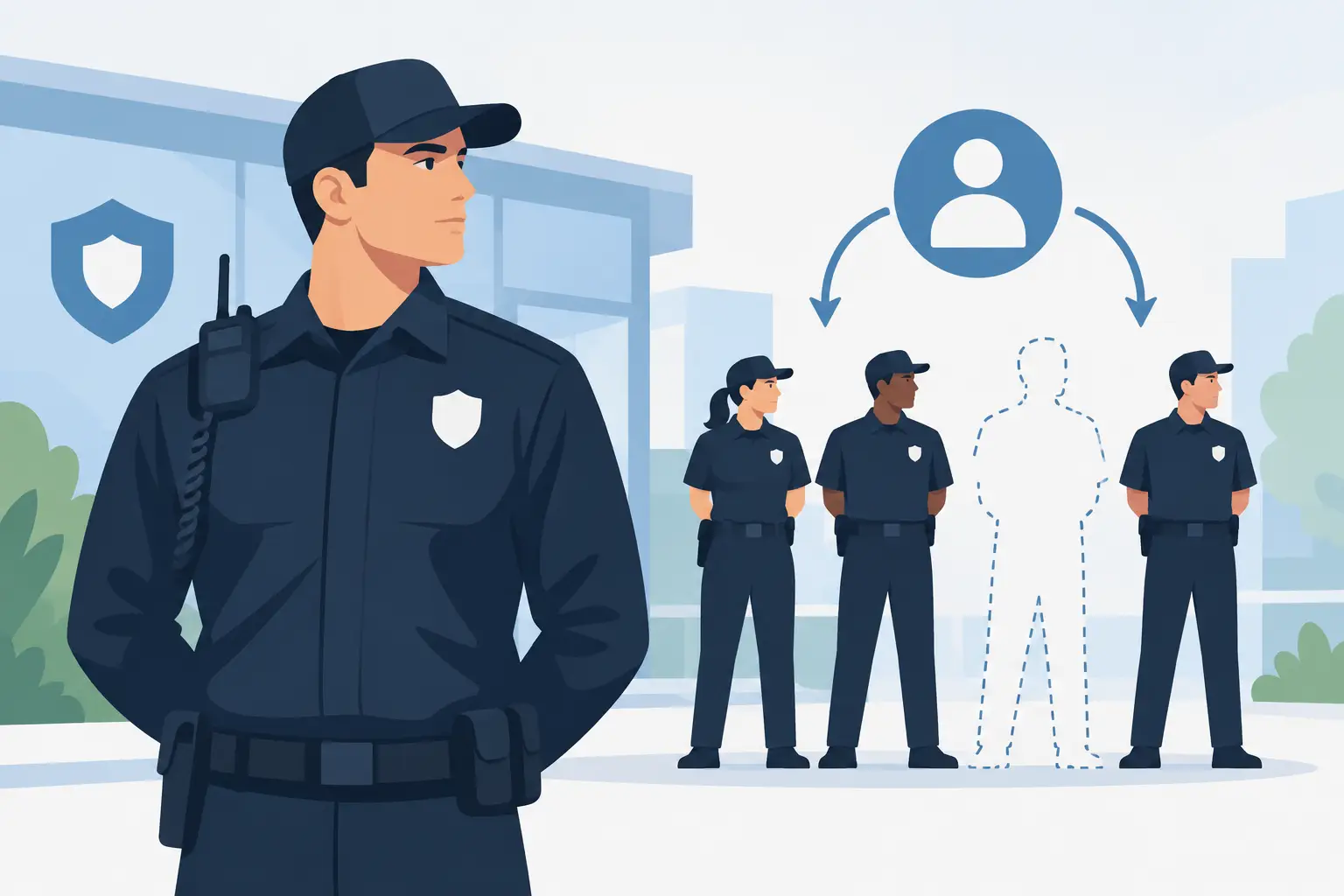
This is why organizations should look closely at a provider’s hiring standards, supervisory structure, training requirements, reporting practices, and field accountability. Ask how officers are matched to posts. Ask whether they receive site-specific instructions and whether supervisors conduct inspections. Ask how the provider handles call-offs, relief coverage, incident reporting, and client communication after an event.
Veteran-led security organizations often bring a mission-focused mindset to these responsibilities, but experience must still be applied to the civilian environment. Commercial properties, events, and workplaces require officers who are alert and decisive without being confrontational. The goal is a professional presence that supports normal operations rather than overshadowing them.
Clear Post Orders Prevent Confusion During Critical Moments
An armed officer should not arrive at a site with vague instructions to “keep the property safe.” Effective assignments are built around clear post orders that define responsibilities, reporting lines, patrol routes, access procedures, prohibited areas, escalation protocols, and emergency contacts.
For example, an officer assigned to a corporate office may focus on visitor screening, employee safety, and discreet patrols. An officer at a distribution facility may prioritize gate access, cargo verification, perimeter checks, and overnight response. At an event, the priority may be screening, crowd monitoring, backstage access, and coordination with venue personnel.
Post orders should also define the relationship between the security team and the client’s staff. Employees need to know who can authorize access, who receives incident reports, who makes operational decisions during an emergency, and how to contact the officer or supervisor. Confusion in routine situations can become a serious problem when conditions change quickly.
Visibility, Deterrence, and Customer Experience Must Be Balanced
A visible armed officer can reassure employees, tenants, and guests who want to see that a property is prepared. In other environments, a highly visible posture may create concern or conflict with the customer experience. Neither approach is automatically right.
A luxury retail location, medical office, or corporate campus may need a polished, low-profile officer who blends into the environment while maintaining strong awareness. A cash-intensive business, a remote industrial site, or a property with repeated criminal activity may benefit from a more visible deterrent. Uniform style, placement, patrol patterns, vehicle markings, and communication approach should all reflect the site’s purpose.
The same consideration applies to weapons visibility. Depending on legal requirements, client preferences, and the nature of the assignment, an armed officer may be deployed in a manner that is clearly recognizable or more discreet. The choice should support the security objective and be consistent with applicable laws, licensing requirements, and company policy.
Armed Security Works Best as Part of a Larger Plan
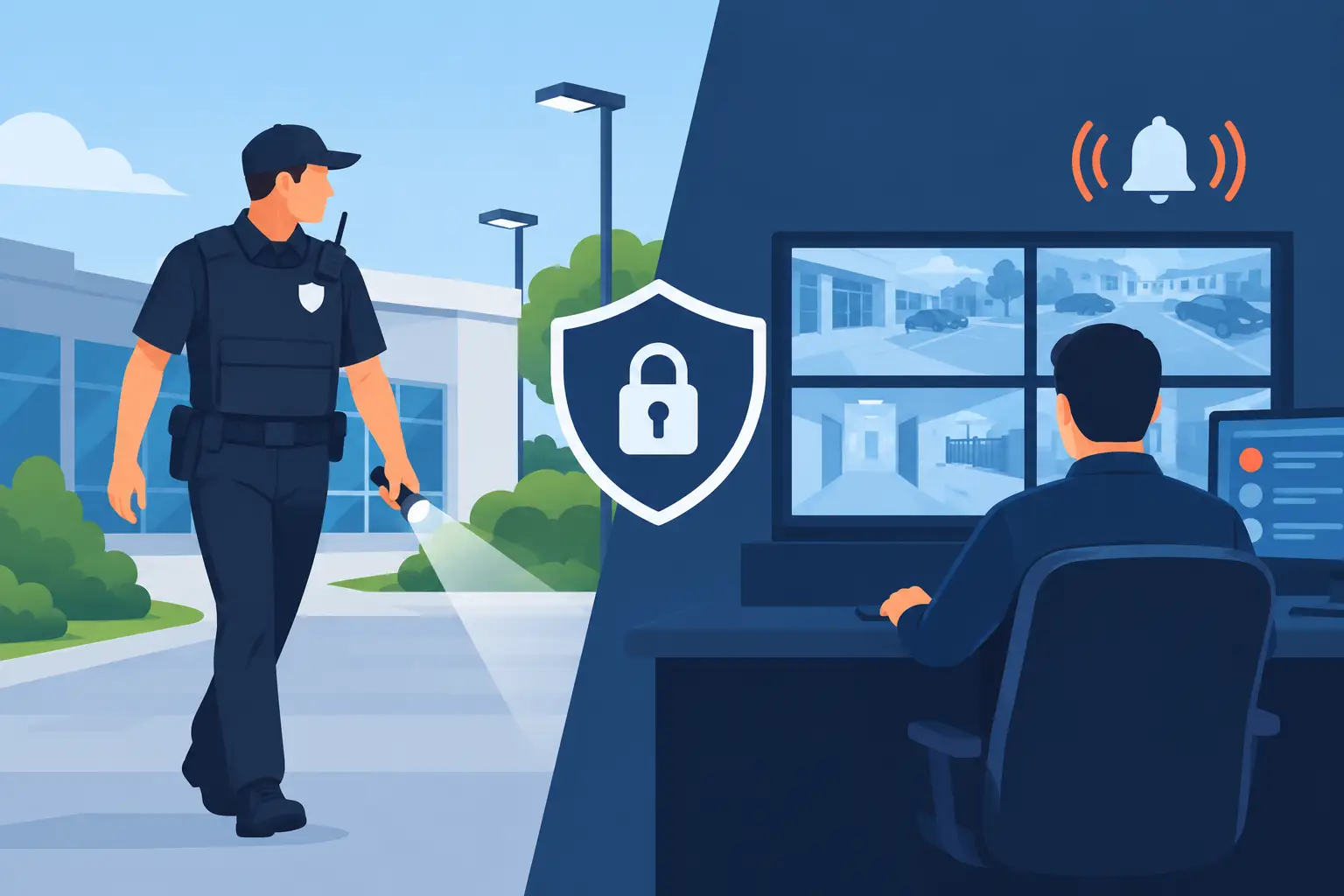
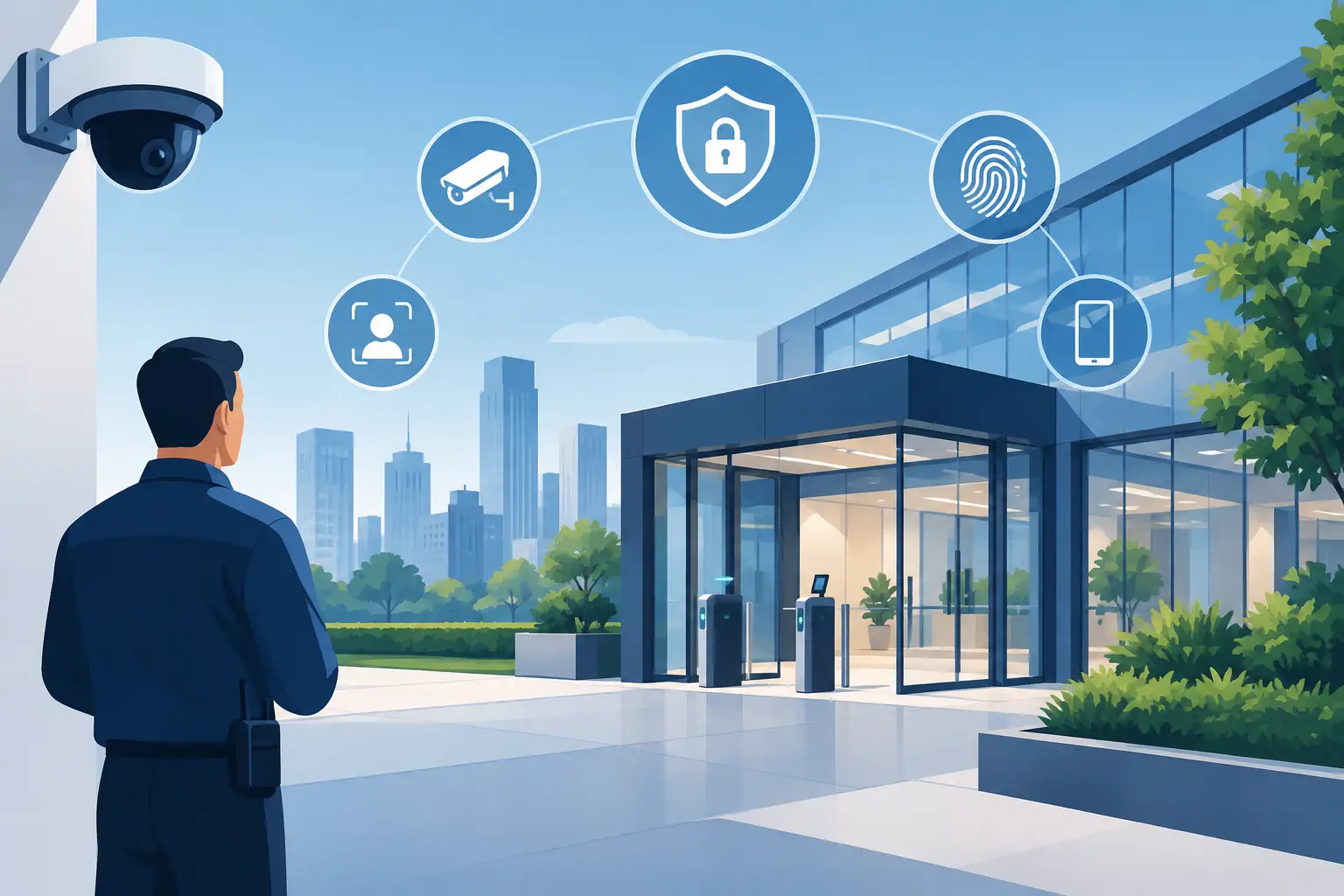
Even highly capable officers should not be expected to solve every security problem alone. Strong protection programs combine personnel with practical physical and operational safeguards. Access control, cameras, alarm response, visitor management, lighting, fencing, employee reporting procedures, and crisis communication can all reduce the chance that an officer must manage a dangerous situation without support.
This layered approach also helps control costs. Armed coverage may be appropriate at key entry points, during overnight hours, or for specific high-risk operations, while unarmed officers or mobile patrols handle routine coverage elsewhere. The best plan directs resources where they produce the greatest reduction in risk.
Regular reviews are necessary because risk changes. A new tenant, expanded operating hours, construction activity, local crime patterns, employee turnover, or an upcoming event can alter a site’s needs. Security leadership should review incident reports and field observations with the client, then adjust deployment before minor concerns become recurring problems.
What to Expect From a Professional Security Partner
A capable provider begins by learning how your organization operates. That includes understanding the people who use the property, the areas that require protection, the activities that create exposure, and the business outcomes that cannot be interrupted.
From there, the provider should recommend a practical coverage model, establish post orders, deploy properly qualified personnel, and maintain responsive supervision. Clients should receive timely reporting that documents incidents, patrol activity, unusual conditions, and recommended corrective action. Security is more valuable when it provides useful intelligence, not just a person at a post.
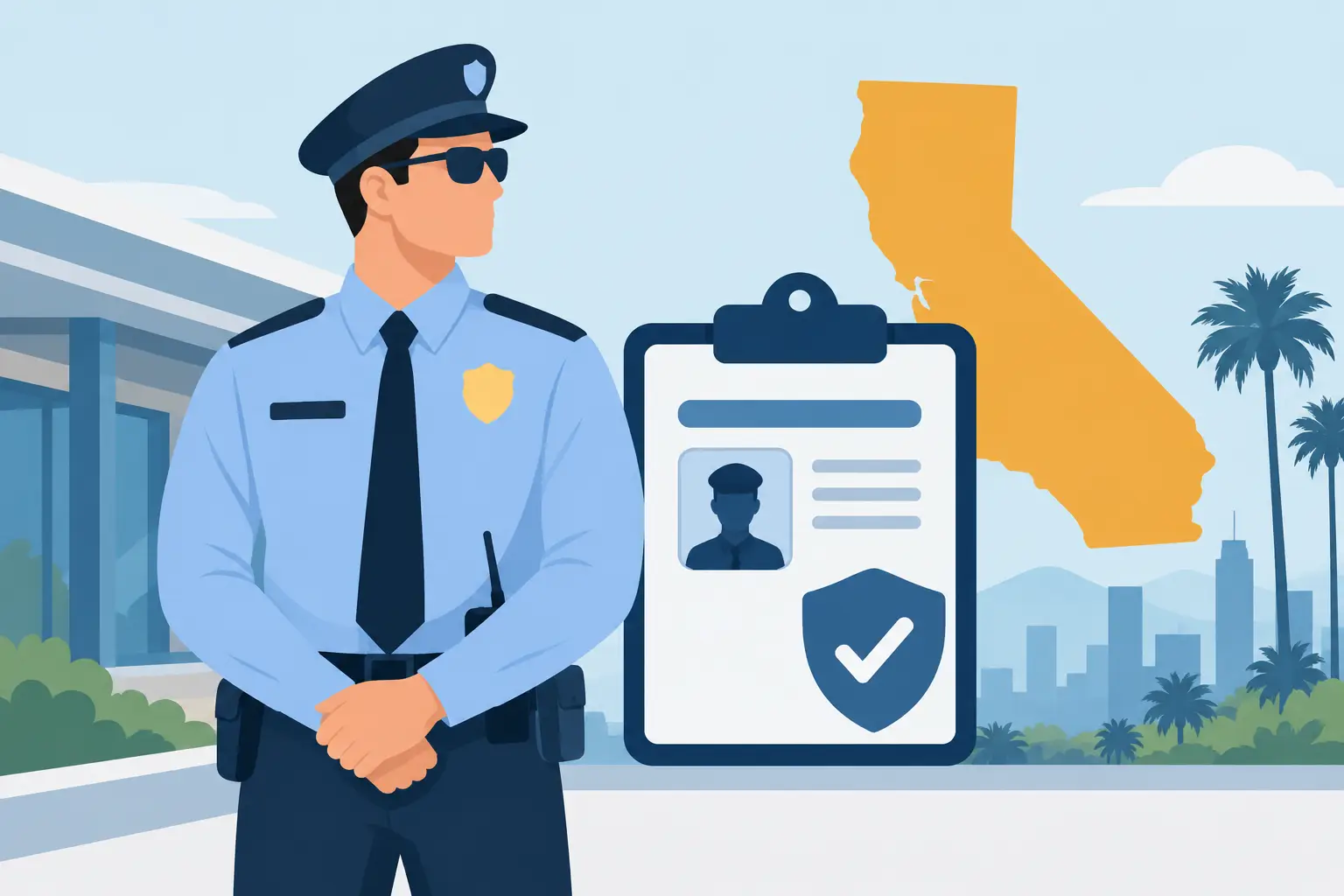
For organizations in California and Nevada, Springfield Private Security approaches armed assignments as a responsibility that requires careful planning, disciplined execution, and clear communication. The objective is to protect people and operations with a presence that is prepared when needed and professional at every moment.
The right security posture gives leaders room to focus on running the business. When armed coverage is justified by real risk and supported by trained personnel, clear procedures, and active oversight, it becomes more than a visible safeguard. It becomes a dependable part of operational readiness.