A concerning email, a former employee returning to a site, a heated dispute in a parking lot – workplace violence rarely begins without warning. The workplace violence prevention trends gaining traction now reflect that reality: organizations are moving beyond reactive incident response and building earlier, more coordinated ways to identify risk, protect people, and keep operations moving.
For business owners, property managers, and operations leaders, the goal is not to turn every facility into a fortress. It is to establish practical layers of protection that fit the site, the people using it, and the level of risk involved. A polished corporate office, a retail center, a healthcare facility, and a construction site will not need the same security posture. They do need a plan that employees understand and leaders can execute under pressure.
Workplace Violence Prevention Trends Shift to Early Intervention
The strongest prevention programs begin before a threat becomes an emergency. Employers are placing greater attention on observable behavior, concerning communications, repeated boundary violations, and conflicts that are escalating rather than resolving.
This does not mean asking supervisors or coworkers to diagnose people. It means giving them a clear method for reporting concerning conduct, documenting facts, and elevating issues to the right decision-makers. A manager who hears a direct threat, for example, should not have to guess whether to call human resources, site security, law enforcement, or all three. Defined reporting paths reduce delay and confusion when time matters.
Many organizations are formalizing multidisciplinary threat assessment teams. Depending on the organization, that group may include operations, human resources, legal counsel, security leadership, and executive management. Their job is to evaluate reported concerns, determine immediate safeguards, and make proportionate decisions based on facts rather than rumor or panic.
The trade-off is clear. A process that is too informal can miss serious warning signs, while one that treats every interpersonal issue as an imminent threat can damage trust and create unnecessary disruption. Effective programs use consistent criteria, sound documentation, and measured responses.
Security Is Becoming More Integrated With Operations
Security officers are increasingly being positioned as part of an organization’s operational readiness, not simply as a visible presence at an entrance. When officers understand a facility’s normal traffic patterns, staff routines, vendor procedures, access points, and leadership structure, they are better prepared to spot anomalies and respond with purpose.
This trend is especially relevant for multi-tenant properties, retail environments, warehouses, healthcare settings, financial institutions, and sites with public-facing staff. A trained officer can deter unwanted conduct, enforce access procedures, assist with a difficult termination or employee separation, and serve as a calm point of contact during an emergency.
The right level of visibility depends on the environment. Some clients need uniformed officers at fixed posts to establish clear deterrence and access control. Others need mobile patrols, discreet executive protection, or rapid-response coverage that preserves a welcoming customer experience. The best approach supports the business objective while addressing the real risk.
At Springfield Private Security, that operating principle is straightforward: security should protect people and property without becoming an obstacle to daily operations. A tailored site assessment is more useful than a one-size-fits-all deployment because it accounts for the risks a location actually faces.
Technology Is Supporting, Not Replacing, Human Judgment
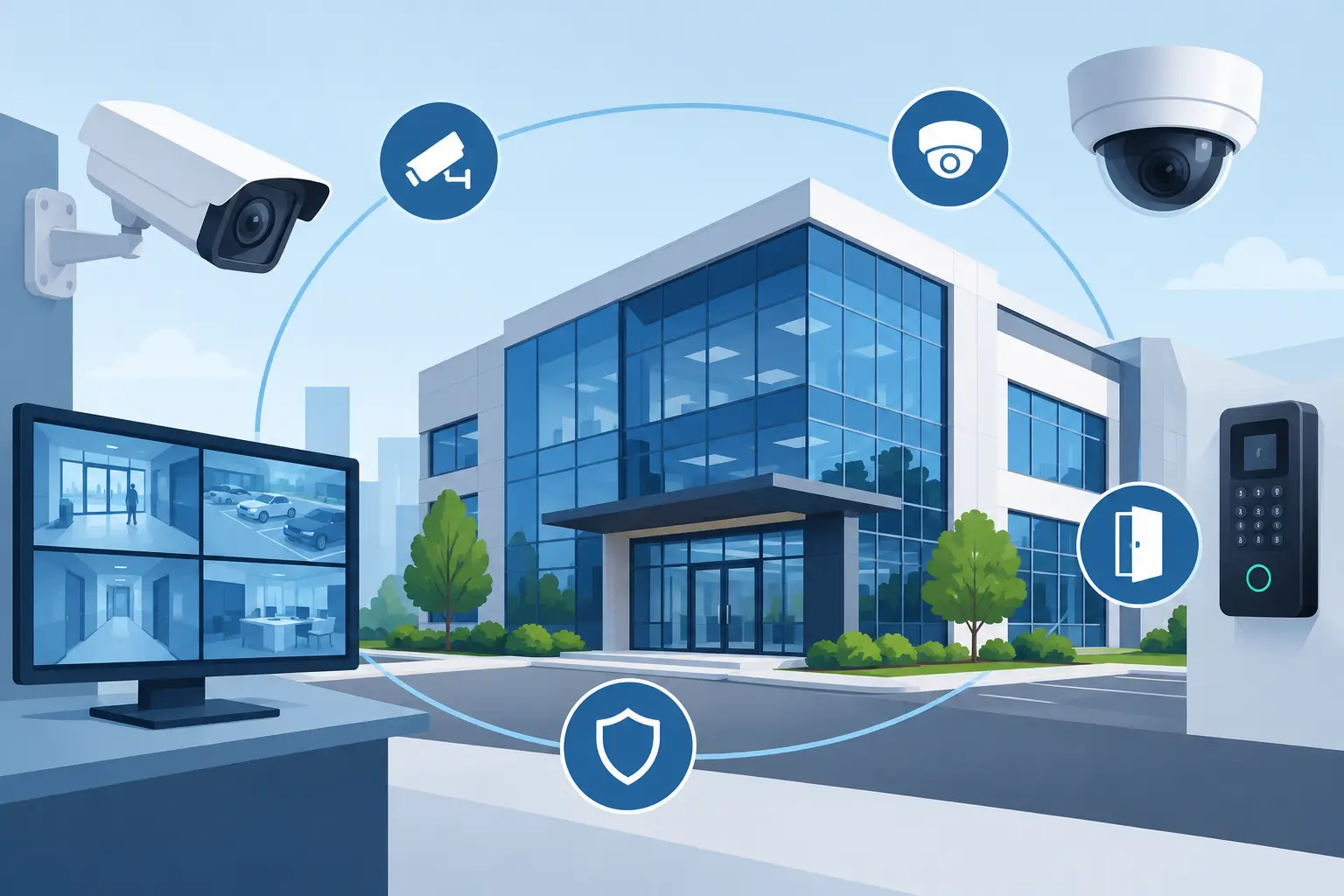
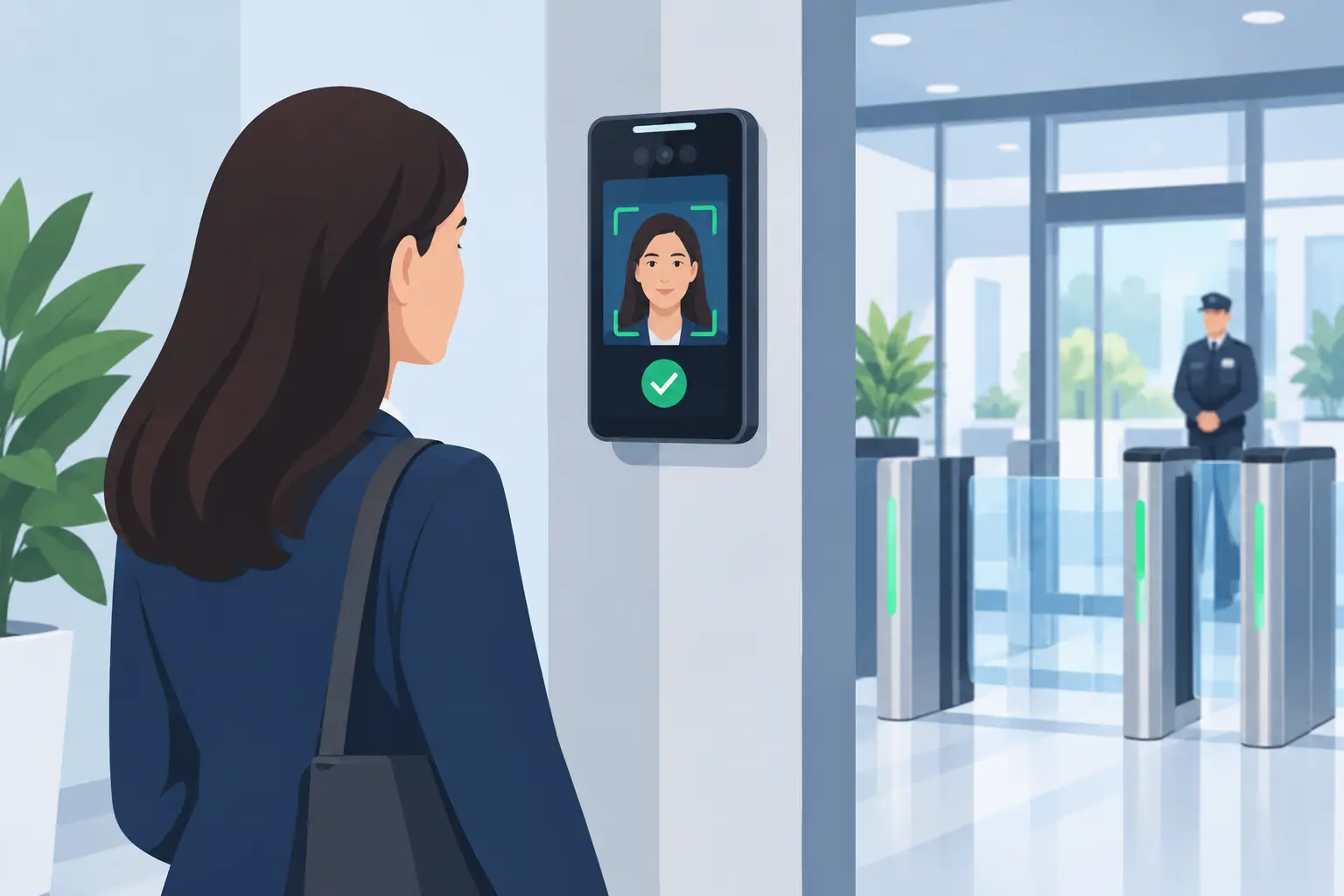
Access control, visitor management, video surveillance, panic alarms, and mass-notification platforms are becoming standard components of violence prevention planning. These tools can shorten response times, create reliable records, and help leaders make faster decisions during a developing incident.
For example, access control can limit a former employee’s ability to enter a facility after separation. Visitor-management procedures can verify who is on site and notify hosts when guests arrive. Cameras can help security teams assess a situation before approaching it, preserve evidence, and direct responding personnel to the correct area.
Technology has limits. A camera does not de-escalate a confrontation. An alarm does not determine whether an employee needs immediate protection, medical support, or a law-enforcement response. Systems also fail when staff do not know how to use them, credentials are poorly managed, or emergency contacts have not been updated.
The most effective model combines reliable technology with trained people and clear procedures. Before investing in new systems, leaders should ask practical questions: Who monitors alerts? Who has authority to make decisions after an alarm? What happens if communications are down? How will vendors, contractors, and temporary staff be accounted for?
Training Is Moving Beyond Annual Check-the-Box Programs
Annual workplace violence training still has value, but many organizations are shifting toward shorter, role-specific instruction throughout the year. Front-desk personnel may need guidance on visitor screening and suspicious behavior. Supervisors need to know how to document and escalate threats. Security teams need scenario-based practice in de-escalation, emergency communications, and coordinated response.
Training is most useful when it reflects the real work environment. A distribution facility should practice response considerations for large loading areas, shift changes, and isolated work zones. A corporate office may focus on reception protocols, badge access, and employee shelter procedures. Event organizers need plans for crowd movement, entry screening, and rapid communication with staff and attendees.
De-escalation remains a central focus. Many confrontations can be reduced through calm communication, appropriate distance, an exit path, and timely support from trained personnel. But de-escalation is not a promise that every situation can be talked down. Employees must also understand when to disengage, seek help, activate emergency procedures, or contact law enforcement.
Workplace Violence Prevention Trends Include Stronger Separation Planning
Employee separations, contract disputes, evictions, and other high-emotion business actions can increase risk when they are handled without preparation. Organizations are paying closer attention to the security implications of these moments, particularly where there is a known history of threats, harassment, weapons concerns, domestic violence spillover, or escalating conduct.
A separation plan may include coordinating the timing of the meeting, reviewing access credentials in advance, securing sensitive areas, notifying the appropriate internal leaders, and arranging a trained security presence. It may also include a plan for personal belongings, transportation, and post-separation access to systems and property.
The objective is professionalism, not intimidation. An unnecessarily aggressive posture can raise tensions. On the other hand, failing to plan because a conversation feels uncomfortable can leave staff exposed. The appropriate response should match the documented risk, the site layout, and the circumstances involved.
Domestic Violence Policies Are Being Treated as Workplace Safety Issues
Domestic violence does not always remain outside the workplace. Threatening calls, unwanted visits, stalking, and violence can follow an employee to a job site, particularly when the workplace has predictable hours and publicly accessible parking areas.
Employers are increasingly building confidential reporting channels and response procedures that allow affected employees to request support without fear of embarrassment or retaliation. Depending on the situation, safeguards may include changes to parking arrangements, notification to reception or security staff, updated access restrictions, escorts to vehicles, and coordination with law enforcement when appropriate.
Privacy matters. Information should be limited to personnel who need it to provide protection or carry out their responsibilities. At the same time, vague communication can leave front-line staff unprepared. Leaders need to balance confidentiality with the practical need to recognize and respond to a known threat.
Preparedness Is Being Measured Through Drills and After-Action Reviews
A written policy is only the starting point. Organizations are conducting tabletop exercises and practical drills to see how their teams would respond to a threat, an active assailant report, a suspicious person, or a violent confrontation. These exercises expose gaps that are easy to overlook in a conference room.
Can staff quickly contact the right person? Do they know the site’s emergency terminology? Are exits clear? Can security personnel access the areas where they may be needed? Does management know who is responsible for communicating with employees, families, tenants, or customers after an incident?
After-action reviews are equally valuable. Whether the event was a serious emergency or a low-level disturbance, leaders should evaluate what happened, what worked, and what needs adjustment. The purpose is accountability and improvement, not blame.
The direction of workplace violence prevention is clear: earlier reporting, better coordination, trained personnel, and security measures that match the site. The organizations best prepared to protect their people will be the ones that treat prevention as an ongoing operational responsibility, then test their readiness before they are forced to rely on it.