At 2:00 a.m., most sites are at their most exposed. Deliveries arrive early, cleaning crews come and go, alarms can trigger without context, and a small issue can grow into a costly disruption before management is even aware. That is where a 24 hour security guard service proves its value – not as a generic presence, but as a controlled, reliable layer of protection that keeps operations stable around the clock.
For many businesses, the real question is not whether they need security after hours. It is whether they need continuous coverage that matches how the site actually operates. A warehouse with overnight shipping, a multifamily property with constant foot traffic, a medical office with sensitive access points, or a commercial campus with multiple vendors each has different pressure points. The right security plan accounts for those differences instead of forcing every client into the same schedule and staffing model.
When a 24 hour security guard service makes sense
Continuous security coverage is usually driven by risk, activity level, or both. Some properties face a clear crime concern such as trespassing, theft, vandalism, or unauthorized access. Others are not high crime environments, but they still need a trained officer on site because the property never fully shuts down. That can include logistics centers, hospitality venues, construction sites, healthcare-adjacent facilities, schools during special programs, or office buildings with late-night contractors and early-morning staff.
There is also a liability side to consider. If your site has multiple entry points, public-facing traffic, expensive equipment, or a history of incidents, gaps in coverage create exposure. A daytime-only approach may leave the most vulnerable hours unmanaged. In those cases, 24-hour coverage is less about optics and more about maintaining control over access, response, and documentation.
That said, full-time coverage is not automatically the right fit for every property. Some locations are better served by a combination of scheduled guarding, mobile patrol, and alarm response. The decision should be based on incident patterns, operating hours, site layout, and the cost of downtime if something goes wrong.
What a strong 24 hour security guard service actually does
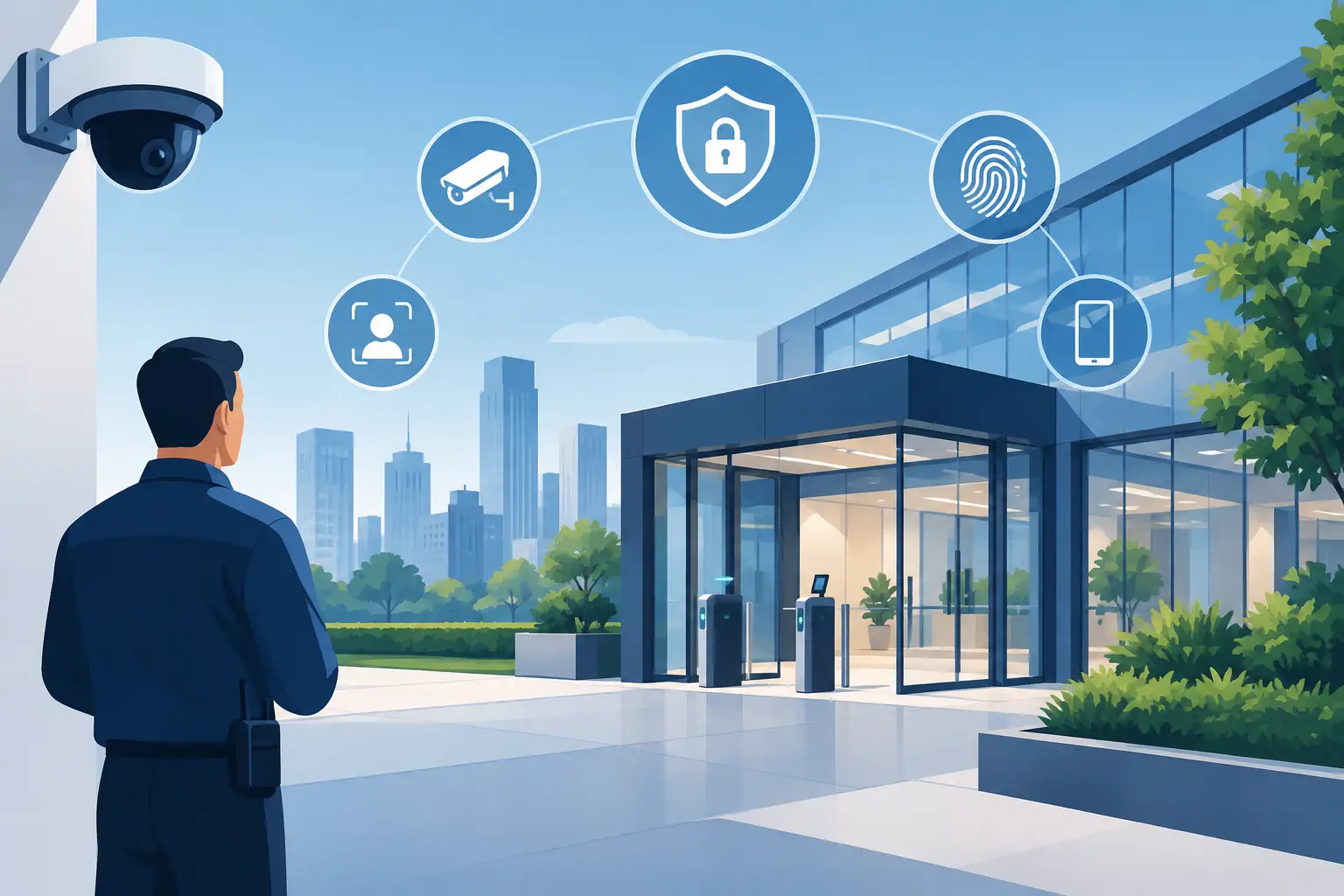
A professional guard force should do more than stand at a post. Around-the-clock coverage works best when officers are assigned clear responsibilities tied to the client’s operational needs. That often starts with access control – monitoring entrances, checking credentials, managing visitor logs, and making sure only authorized personnel enter restricted areas.
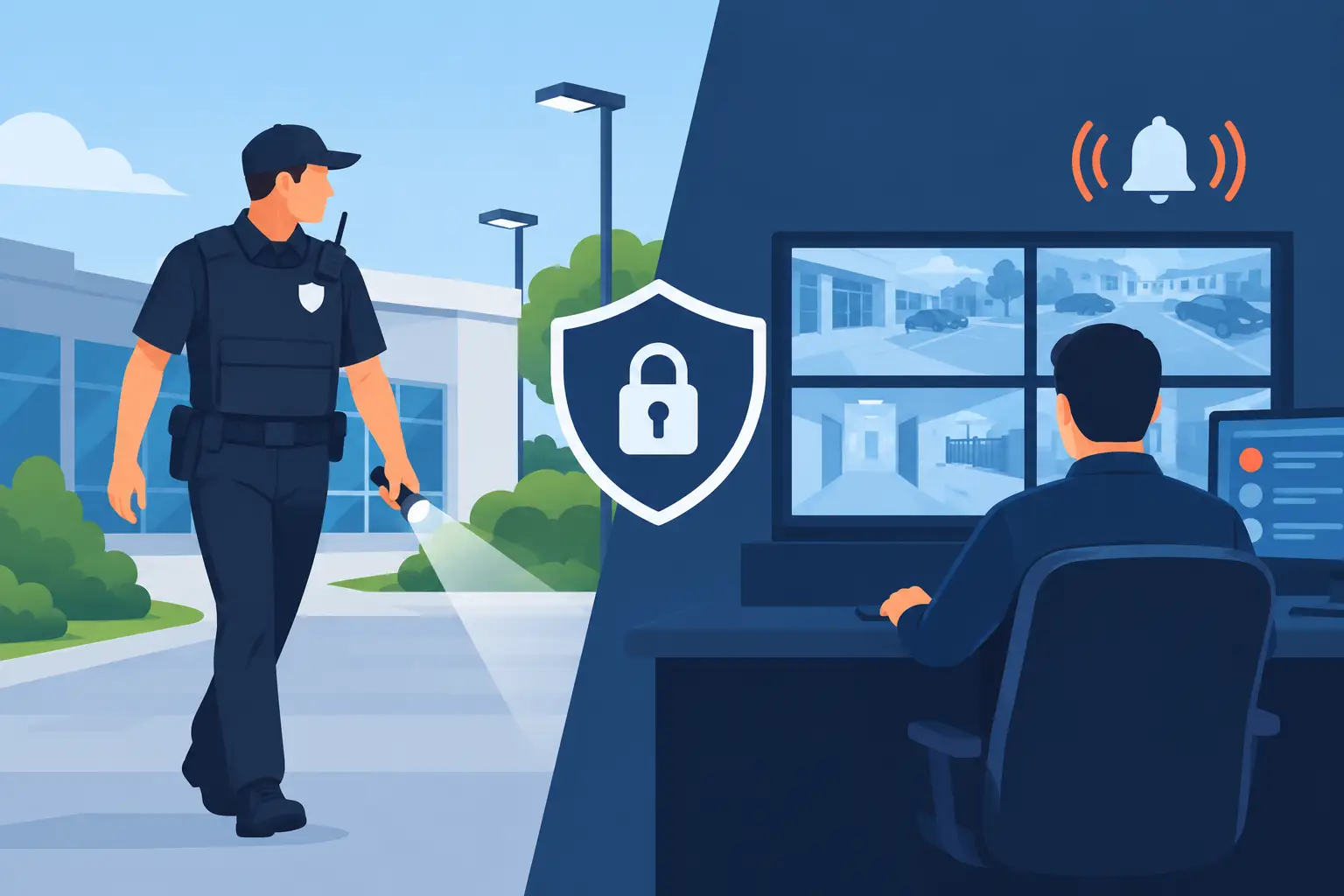
From there, the role expands based on the environment. At a commercial property, officers may conduct interior and exterior patrols, monitor cameras, secure loading areas, and coordinate with property management on maintenance or safety concerns. At an industrial site, they may help enforce perimeter integrity, verify vendor access, watch for safety violations, and act as the first point of contact during an incident.
Overnight hours are especially important because many issues first appear quietly. A propped-open door, an unfamiliar vehicle, a broken gate, or a person where they should not be can all signal larger problems. A trained officer can assess the situation early, take immediate action, and escalate when needed. That shortens response time and often prevents a minor event from becoming a reportable loss.
Coverage should match the site, not the other way around
One of the most common mistakes in contract security is assuming that 24-hour coverage always means the same staffing pattern. It does not. Some sites need one officer at all times. Others require multiple officers during high-traffic periods and a reduced overnight footprint. Some benefit from a dedicated front-desk officer paired with roving patrol. Others need armed officers because of asset value, threat profile, or regulatory requirements.
The strongest security programs are built around the realities of the site. That includes understanding business hours, employee flow, visitor volume, delivery schedules, emergency procedures, and any known problem areas. If a security plan ignores those details, it may look adequate on paper but fail under pressure.
This is where experience matters. A provider should be able to assess whether your operation needs static coverage, mobile patrol support, rapid response backup, or a blend of services. They should also be prepared to adjust the plan as your risk picture changes. Seasonal demand, tenant turnover, active construction, labor disputes, or executive travel can all affect security requirements.
The difference between presence and performance
Not all guard services deliver the same result. A visible officer can deter some behavior, but deterrence alone is not enough if the officer is not trained, accountable, or backed by clear reporting standards. Decision-makers should look beyond uniforms and staffing promises and ask how the service performs day to day.
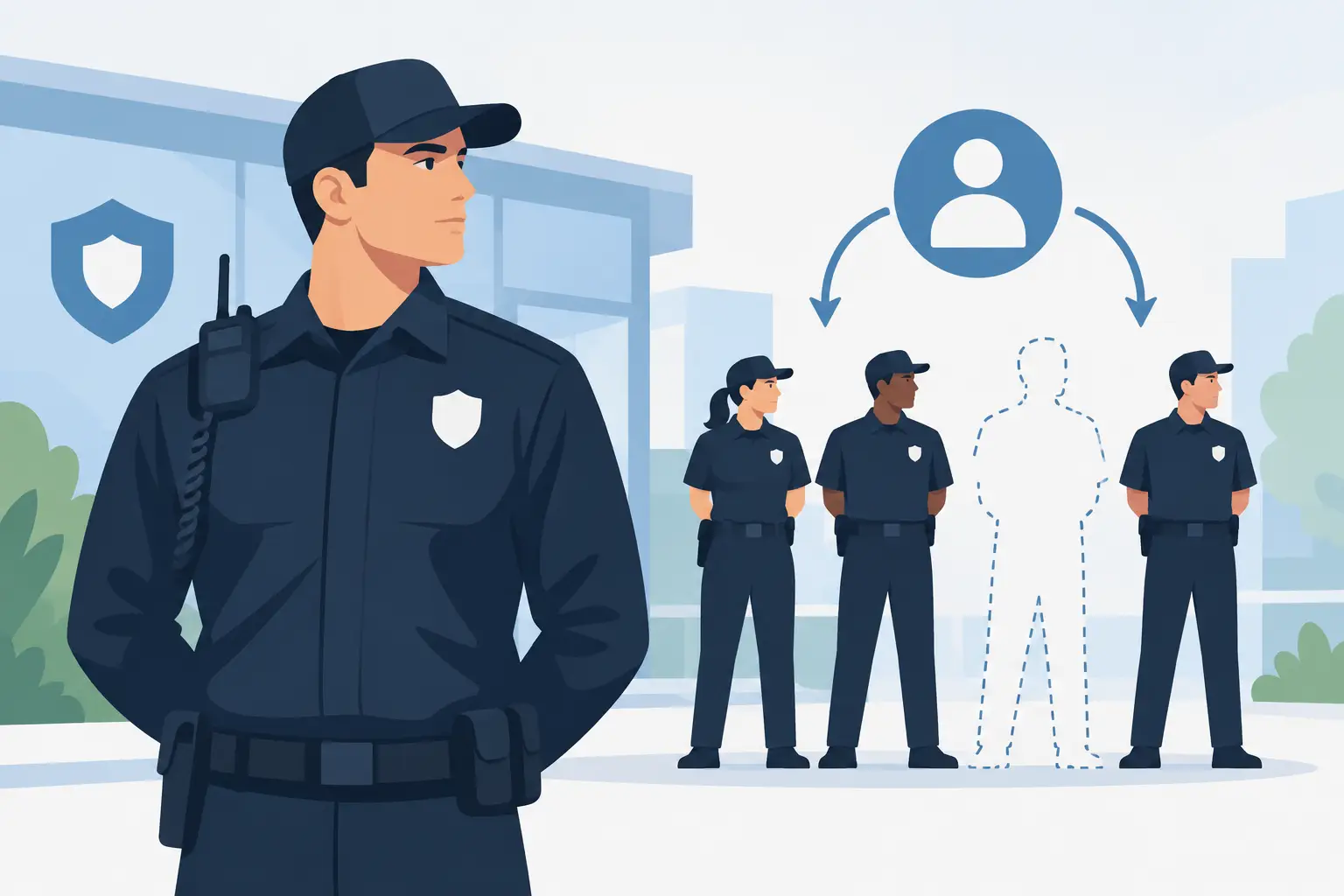
Performance shows up in the details. Are post orders clear and site-specific? Are shift changes handled without coverage gaps? Are incidents documented accurately and communicated quickly? Does supervision occur regularly, including overnight? Can the provider scale support during emergencies or special events?
A dependable 24 hour security guard service should give clients confidence that the site is actively managed, not just occupied. That means officers who understand de-escalation, observation, reporting, emergency response, and professional interaction with staff, visitors, and vendors. It also means the provider takes responsiveness seriously when conditions change.
Armed, unarmed, and hybrid coverage
The armed versus unarmed question depends on risk level, public visibility, and the nature of the assets being protected. Unarmed officers are often the right choice for office buildings, residential communities, retail environments, and sites where customer experience matters as much as deterrence. They provide a calm, professional presence while handling access control, patrol, and incident reporting.
Armed coverage may be appropriate for higher-risk environments such as financial sites, critical infrastructure, high-value storage, or locations with elevated threat concerns. In those settings, the officer’s role goes beyond observation and access management. It requires stronger selection standards, tighter protocols, and a provider with the operational discipline to deploy armed personnel responsibly.
In some cases, a hybrid model is the better answer. A site may use unarmed officers for customer-facing posts and reserve armed coverage for vulnerable hours, critical access points, or executive protection needs. The right solution is the one that protects the client without creating unnecessary friction in daily operations.
Why continuity matters for business operations
Security is often evaluated only when something goes wrong. That misses a large part of its value. A well-run guarding program supports normal operations by reducing interruptions, reinforcing policies, and giving employees and tenants a reliable point of contact when issues arise.
For property managers, that may mean fewer after-hours problems escalating into tenant complaints. For operations leaders, it may mean better control over loading docks, vendor traffic, and restricted areas. For event organizers, it may mean structured entry, faster issue resolution, and a stronger response posture if the unexpected happens.
Continuous coverage also strengthens incident documentation. When an officer is on site to observe, respond, and record details in real time, you are in a stronger position to address insurance questions, internal reviews, or law enforcement coordination. That kind of documentation is easy to overlook until it becomes critical.
Choosing the right provider for 24-hour coverage
If you are evaluating providers, focus on execution. Ask how they recruit and retain officers for round-the-clock assignments. Ask how supervision works on overnight shifts. Ask what happens if an officer calls out, a site condition changes, or an incident requires immediate reinforcement.
You should also expect a provider to ask serious questions about your operation. A consultative security partner will want to understand your site layout, operating schedule, known risks, and service expectations before recommending a plan. That is a positive sign. It shows they are building coverage around your business rather than selling a generic package.
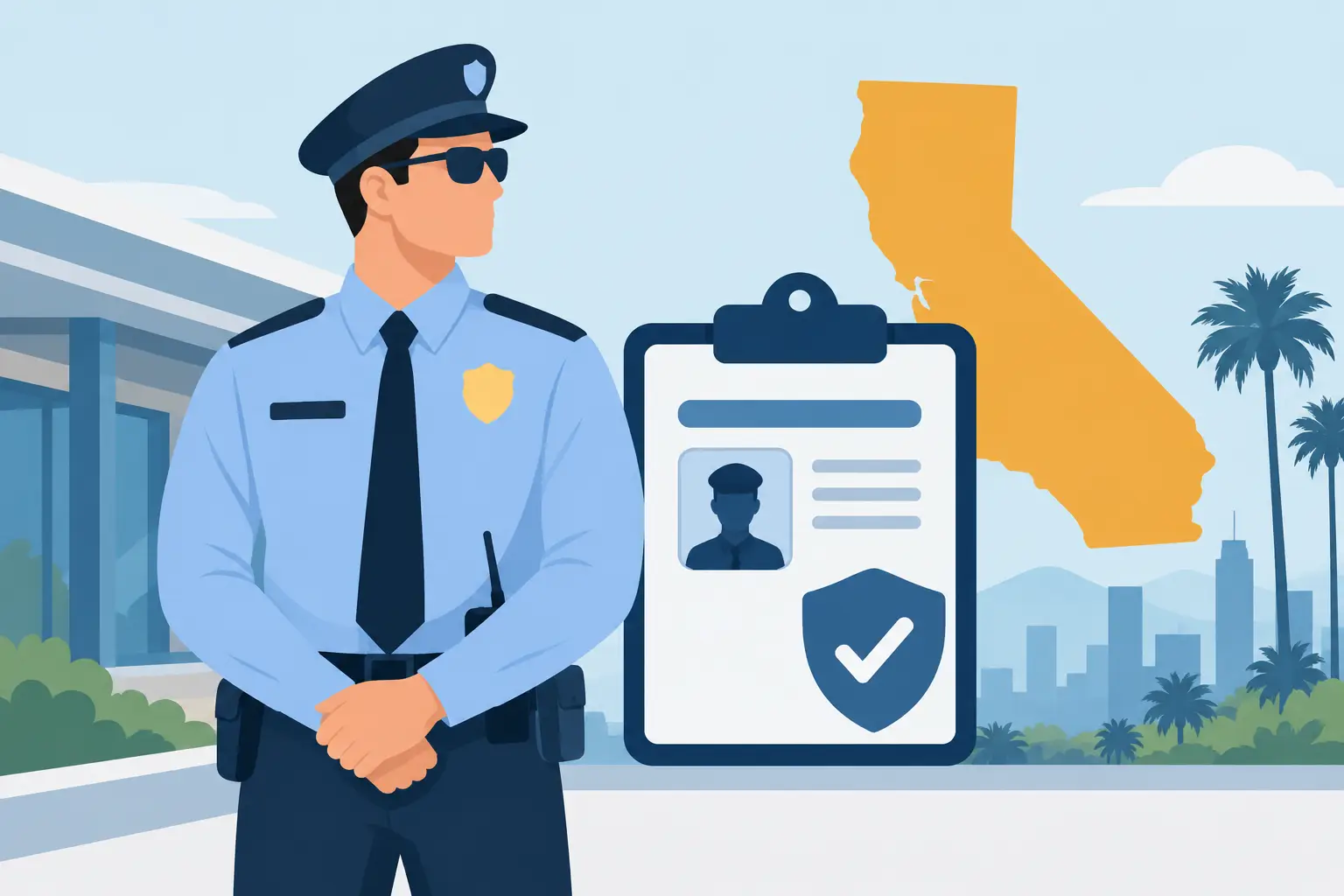
Veteran-led firms often bring an added level of discipline to this process. At Springfield Private Security, that approach is grounded in readiness, accountability, and practical protection that supports the client’s mission rather than getting in the way of it. For organizations that need dependable coverage in California or Nevada, that operational mindset can make a meaningful difference.
A 24 hour security guard service is not simply about keeping someone on site all day and night. It is about putting the right personnel, procedures, and response capability in place so your people, property, and operations stay protected at every hour that matters. If your site has no true off switch, your security plan should reflect that reality.