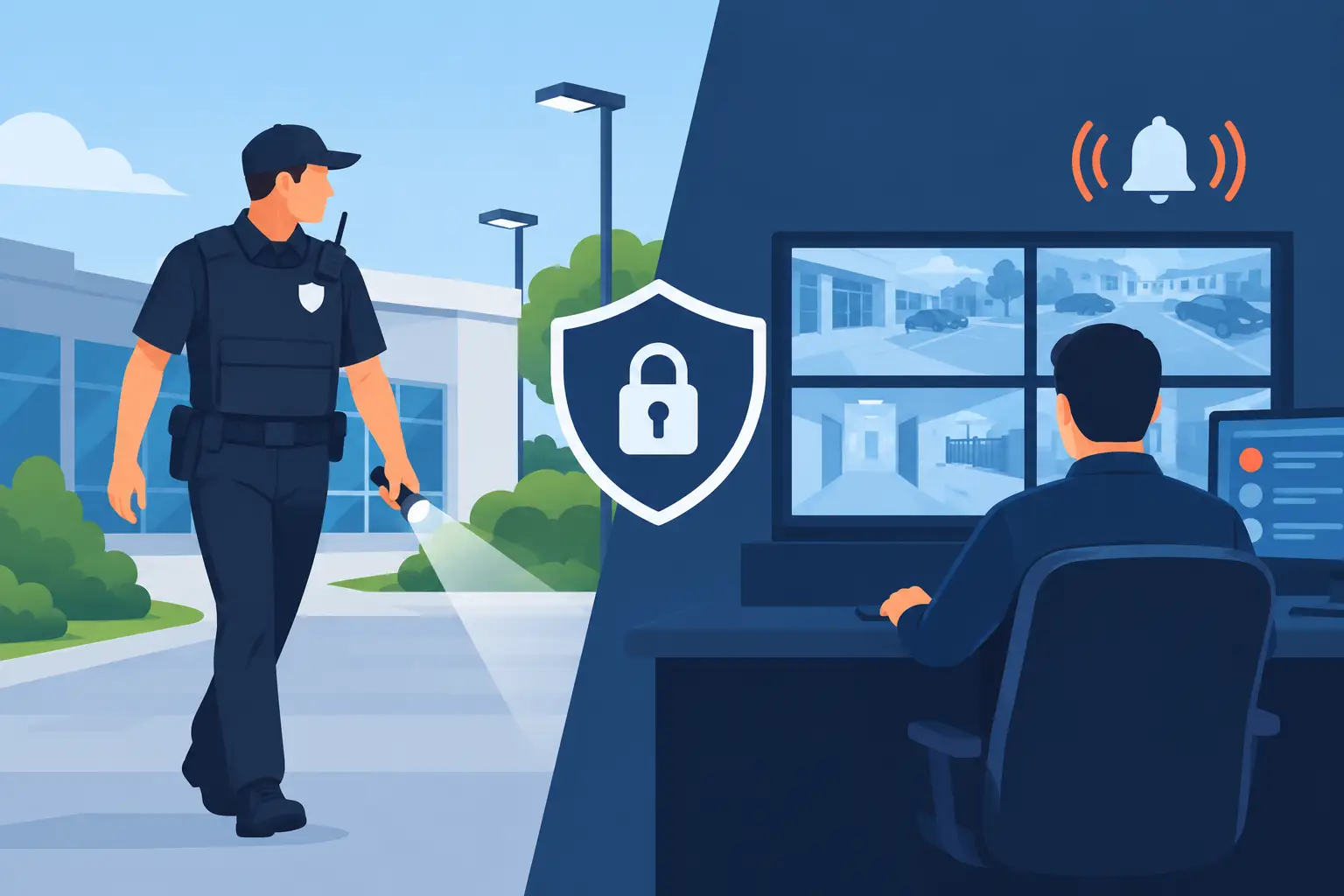
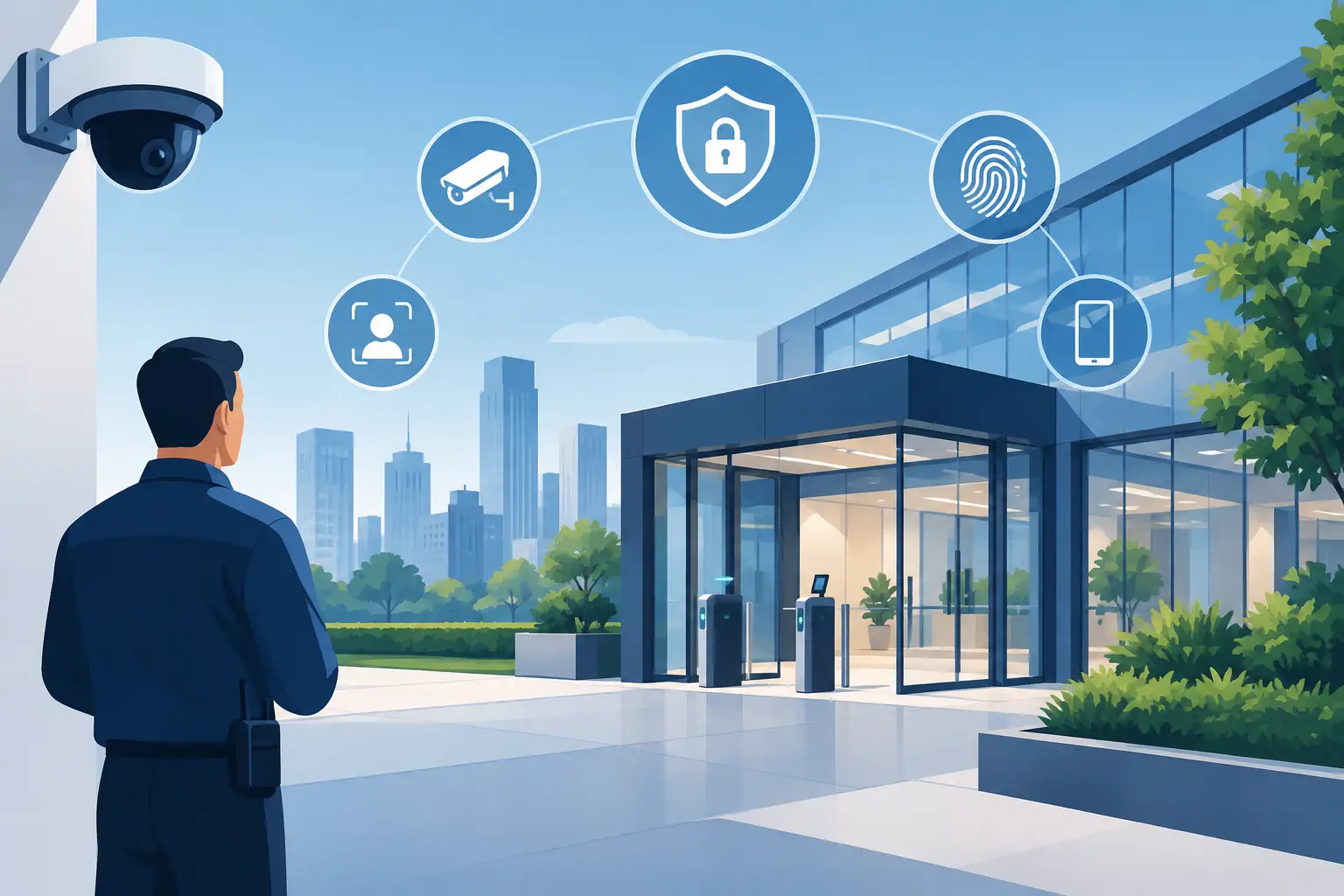
A security officer standing at the wrong entrance, working without site instructions, or unable to reach a supervisor can create as much operational friction as the risk you intended to solve. Effective coverage is not simply about putting a uniform on site. It is about assigning qualified people, clear authority, and accountable procedures to protect your people and property while keeping the business moving. That is the central consideration in how to hire security officers.
For a retail center, the priority may be visible deterrence and parking lot patrols. For a corporate office, it may be discreet access control and professional visitor management. A construction site, financial institution, healthcare facility, or special event will have entirely different risk factors. The right security partner begins by understanding that difference before recommending a post order or staffing model.
Start With the Risk, Not the Number of Officers
Many organizations begin with a simple question: How many guards do we need? A better starting point is identifying what needs protection, when exposure is highest, and what an officer must be able to do when an incident occurs.
Walk the property with your operations team. Consider public access points, employee entrances, loading areas, parking lots, high-value inventory, sensitive information, and periods when staffing is reduced. Review recent incidents, near misses, employee concerns, tenant complaints, and local conditions that may affect the site. A security plan should account for the risks you know about as well as the ones that have not yet become a loss.
This assessment determines whether you need a fixed post, mobile patrols, armed or unarmed officers, event coverage, remote oversight, or a combination of services. It also clarifies the schedule. Overnight coverage may be essential for a warehouse, while a daytime corporate location may benefit more from a professional lobby officer and controlled access during business hours.
Visible security can deter unwanted activity, but visibility is not always the objective. Some environments require a calm, service-oriented presence that makes employees and visitors feel secure without making the workplace feel restricted. The correct approach depends on your operation, culture, liability exposure, and response requirements.
Define the Officer’s Mission and Authority
A vague assignment produces inconsistent performance. Before soliciting proposals, define the officer’s mission in practical terms. What should the officer observe, prevent, document, report, and escalate? Who is the primary on-site contact? What decisions can the officer make independently, and what requires management approval or law enforcement involvement?
Post orders should be specific to the property. They may cover opening and closing procedures, visitor screening, badge checks, patrol routes, key control, alarm response, incident reporting, emergency evacuation, and communication protocols. For an event, they should establish entry procedures, prohibited items, crowd-management responsibilities, emergency exits, and coordination with organizers.
Officers should not be asked to function as informal facilities staff, customer service representatives, or maintenance personnel unless those expectations are clearly defined and appropriate. Adding unrelated duties without training can distract from the security mission and create confusion during a critical incident.
How to Hire Security Officers: Verify More Than a License
Licensing is a baseline, not a complete measure of quality. Security providers and individual officers must meet applicable state and local requirements, and an armed assignment requires additional qualifications. Ask a prospective provider how it verifies licensing, background screening, training, insurance, and ongoing compliance for every officer assigned to your account.
The stronger question is whether the company can demonstrate that its personnel are prepared for your environment. An officer who performs well at a quiet office building may not be the right fit for a busy nightlife venue, a high-traffic retail property, or a critical infrastructure site.
Review the provider’s hiring standards and training process. Look for practical preparation in de-escalation, report writing, radio communication, emergency response, access control, customer interaction, and incident preservation. If the assignment calls for armed coverage, ask how firearms qualifications, judgment, use-of-force policies, and supervision are managed. Armed security can be appropriate for certain high-risk environments, but it requires a disciplined program, a clear mission, and a provider with demonstrated control over training and accountability.
Experience matters, but relevance matters more. Ask whether the provider has protected similar facilities, managed similar schedules, and handled comparable risks. A capable company should be able to explain its approach without relying on generic assurances.
Evaluate Supervision, Response, and Continuity
The quality of a contract security program is often revealed after the officer arrives. Who checks that officers report on time? Who fills an uncovered shift? Who reviews daily activity reports? Who responds when an officer needs support at 2:00 a.m.?
Ask direct questions about field supervision and escalation. A reliable provider should have a documented process for shift coverage, site inspections, supervisor availability, incident notification, and corrective action. You need to know whether a supervisor can respond promptly when a situation exceeds the officer’s authority or when your operating conditions change without notice.
Staffing continuity deserves the same attention. Excessive turnover creates security gaps and forces your team to repeatedly explain the site to new personnel. While no provider can promise that the same officer will never need relief, it should have a process for retaining qualified personnel, maintaining site knowledge, and briefing replacements before they take the post.
Communication should fit your business. Some clients need immediate notification of every significant incident. Others want a daily report, a weekly operational review, and an urgent call only when defined thresholds are met. Establish those expectations in writing. A security partner should provide useful information, not bury management in unnecessary messages.
Compare Proposals by Execution, Not Just Hourly Rate
Hourly rates are easy to compare and incomplete by themselves. A lower rate can conceal insufficient training, weak supervision, poor benefits, limited relief staffing, or high turnover. Those shortcomings often become expensive when an incident is mishandled, a shift goes uncovered, or an unprepared officer damages the client experience.
Ask each provider to explain what is included in the price: officer wages, supervisory visits, training, reporting systems, uniforms, equipment, insurance, account management, and emergency coverage. Compare the service model, not only the number at the bottom of the proposal.
Also consider whether the provider can scale. A single-site business may need temporary event security or overnight patrol after a break-in. A multi-location organization may need standardized post orders, consolidated reporting, and rapid deployment across California or Nevada. The right partner should be able to adapt without losing site-level accountability.
A proposal should also identify reasonable assumptions. If coverage depends on your staff providing access credentials, floor plans, emergency contacts, or a secure place for officers to complete reports, document that early. Security works best when responsibilities are clear on both sides.
Use the First 30 Days to Build the Program
The start of service is not the finish line. It is the period when small issues should be identified and corrected before they become routine. Hold a kickoff meeting with the security provider, site leadership, facilities personnel, and any relevant human resources or event contacts. Confirm post orders, communication channels, emergency contacts, reporting formats, and escalation procedures.
During the first month, review punctuality, officer appearance, patrol completion, report quality, and interactions with employees and visitors. Are the officers observing the right areas? Are they documenting recurring concerns? Is the service creating unnecessary bottlenecks at entry points? If something is not working, adjust the post orders or staffing model promptly.
At Springfield Private Security, this operational fit is central to the assignment. Security coverage should support the way a client works, with officers and procedures tailored to the site rather than a one-size-fits-all presence.
Build a Working Partnership, Not a Static Post
The best security programs improve as the operation changes. A new tenant, extended hours, construction work, a staffing reduction, or a high-profile event can change your exposure quickly. Periodic reviews give your security provider the opportunity to update patrol patterns, access procedures, staffing levels, and response plans before a weakness is tested.
Choose officers and a provider that bring discipline, sound judgment, and respect for your operation. When security is properly planned and actively managed, it becomes a steady part of business continuity: present when needed, prepared for the unexpected, and professional enough that your people can stay focused on their work.