Retail theft rarely begins with a dramatic confrontation. More often, it starts with small gaps: a blind aisle, an unlocked stockroom, inconsistent receipt checks, an employee working alone, or a team unsure who should respond when suspicious activity occurs. Those gaps add up to inventory loss, safety concerns, lower morale, and interruptions that affect the customer experience.
Learning how to prevent retail theft requires more than adding cameras or placing signs near the exit. Effective loss prevention is a layered operational plan that makes theft harder to carry out, easier to detect, and safer to address. The right approach protects merchandise and employees without making legitimate customers feel unwelcome.
How to Prevent Retail Theft With Layered Security
A retail security plan should reflect the specific risks of the store. A high-end boutique, grocery store, electronics retailer, cannabis dispensary, warehouse club, and shopping center all face different theft patterns. Some deal primarily with shoplifting. Others face organized retail crime, fraudulent returns, employee theft, burglary, or theft from loading and receiving areas.
Begin by identifying where losses occur, when they occur, and how merchandise leaves the business. Review inventory discrepancies, incident reports, return activity, employee observations, alarm records, and camera footage. Patterns matter. If loss is concentrated near fitting rooms, the response may involve staffing and merchandise controls. If theft occurs during deliveries, the priority may be vendor access, receiving procedures, and better control of back-of-house areas.
The goal is not to create the most restrictive store possible. It is to put the right control in the right place, based on the risk to people, property, and daily operations.
Design the Store for Visibility
Store layout is one of the first lines of defense. Theft is more likely when merchandise, entrances, and key customer areas are difficult for staff to see. Improve sightlines from registers and service desks, especially toward high-value products, fitting rooms, exits, and corners with limited visibility.
Keep displays at a height that allows employees to see across the sales floor. Avoid overfilling aisles with promotional fixtures that create hiding places or block camera views. Mirrors can improve visibility in selected areas, but they should support attentive staff rather than replace them.
Place high-theft or high-value items where employees can observe them naturally during normal work. This does not always mean locking every product behind a counter. Excessive restrictions can slow sales and frustrate customers. For some stores, tethered displays, secured cases, electronic article surveillance tags, or controlled access to a small group of products offer a more balanced solution.
Back-of-house design deserves the same attention. Stockrooms, receiving doors, offices, cash-handling areas, and employee entrances should be clearly separated from public areas. Limit access to those who need it, keep doors secured, and avoid allowing deliveries or vendor activity to occur without oversight.
Make Customer Service Part of Prevention
Professional, attentive service is a strong deterrent because it signals that the store is alert. A simple greeting, an offer of assistance, or a visible employee presence can discourage opportunistic theft while improving the experience for legitimate shoppers.
Staff should be trained to recognize behavior, not make assumptions about people. Examples may include repeated scanning of employees or cameras, attempts to conceal merchandise, unusual attention to exits, tampering with packaging, or coordinated distractions involving multiple individuals. Observations should be factual and reported through an established process.
Employees should also know the limits of their role. They should not pursue someone into a parking lot, physically intervene, or take actions that could create unnecessary danger unless they are specifically trained, authorized, and supported by a documented policy. Merchandise can be replaced. A serious injury, wrongful detention claim, or escalation involving a customer can create far greater consequences.
Consistent staffing is equally important. Stores are more vulnerable during opening and closing, shift changes, meal breaks, deliveries, and periods when one employee is asked to manage customers, cash, fitting rooms, and phones at the same time. Adjusting schedules around known risk periods may be more effective than adding security measures across every hour of operation.
Control Cash, Returns, and Employee Access
Retail theft is not limited to the sales floor. Internal loss can involve cash handling, refund fraud, discount misuse, unauthorized inventory movement, or access to restricted areas. Controls should be clear, consistent, and applied professionally to everyone.
Use defined cash-handling procedures, including assigned drawers, regular counts, documented deposits, and controls for voids, overrides, and refunds. Managers should review exception reports rather than relying only on end-of-day totals. A pattern of small irregularities can reveal a process weakness before losses become substantial.
Return policies should balance fraud prevention with customer convenience. Receipt requirements, identification checks where permitted, transaction records, return-value limits, and manager approvals for exceptions can reduce abuse. The right policy depends on the product category and customer base. A retailer with frequent legitimate returns may need a different approach than a business selling high-value electronics or specialty goods.
Employee access should be based on job responsibility. Not every team member needs keys, alarm codes, safe access, inventory-system permissions, or the ability to process refunds. Update access promptly when responsibilities change or employment ends. Keys, access cards, and alarm credentials should be accounted for, not managed informally.
Use Technology to Support Decisions
Cameras, alarms, electronic article surveillance, access control, panic buttons, and analytics tools can all be useful, but technology works only when it supports an operating process. Cameras need useful coverage, adequate lighting, reliable recording, and a process for reviewing footage after an incident. An alarm system needs current contacts and clear response instructions. Access-control records need to be reviewed when an issue arises.
Video surveillance should cover entrances, exits, registers, cash offices, receiving areas, stockrooms, and identified high-loss zones. Position cameras to capture useful details rather than simply providing a wide view of the store. Test equipment regularly and retain recordings long enough to support investigations, insurance requirements, or law enforcement requests.
For multi-location retailers, centralized reporting can help identify repeat incidents, recurring methods, and locations with unusual loss trends. Still, data should lead to practical action. If reports show recurring theft during late evening hours, a manager needs a defined response such as revised staffing, improved exterior lighting, mobile patrols, or on-site security coverage.
Prepare Staff for Safe, Consistent Response
A written theft-response procedure reduces confusion when an incident occurs. Employees should know whom to notify, what information to document, when to contact law enforcement, and how to preserve video or other evidence. The procedure should be easy to use under pressure.
Incident reports should capture observable facts: date, time, location, descriptions, merchandise involved, direction of travel, vehicle information when safely observed, and any threats or damage. Avoid speculation and personal conclusions. Good documentation helps management identify patterns and gives responding officers or law enforcement useful information.
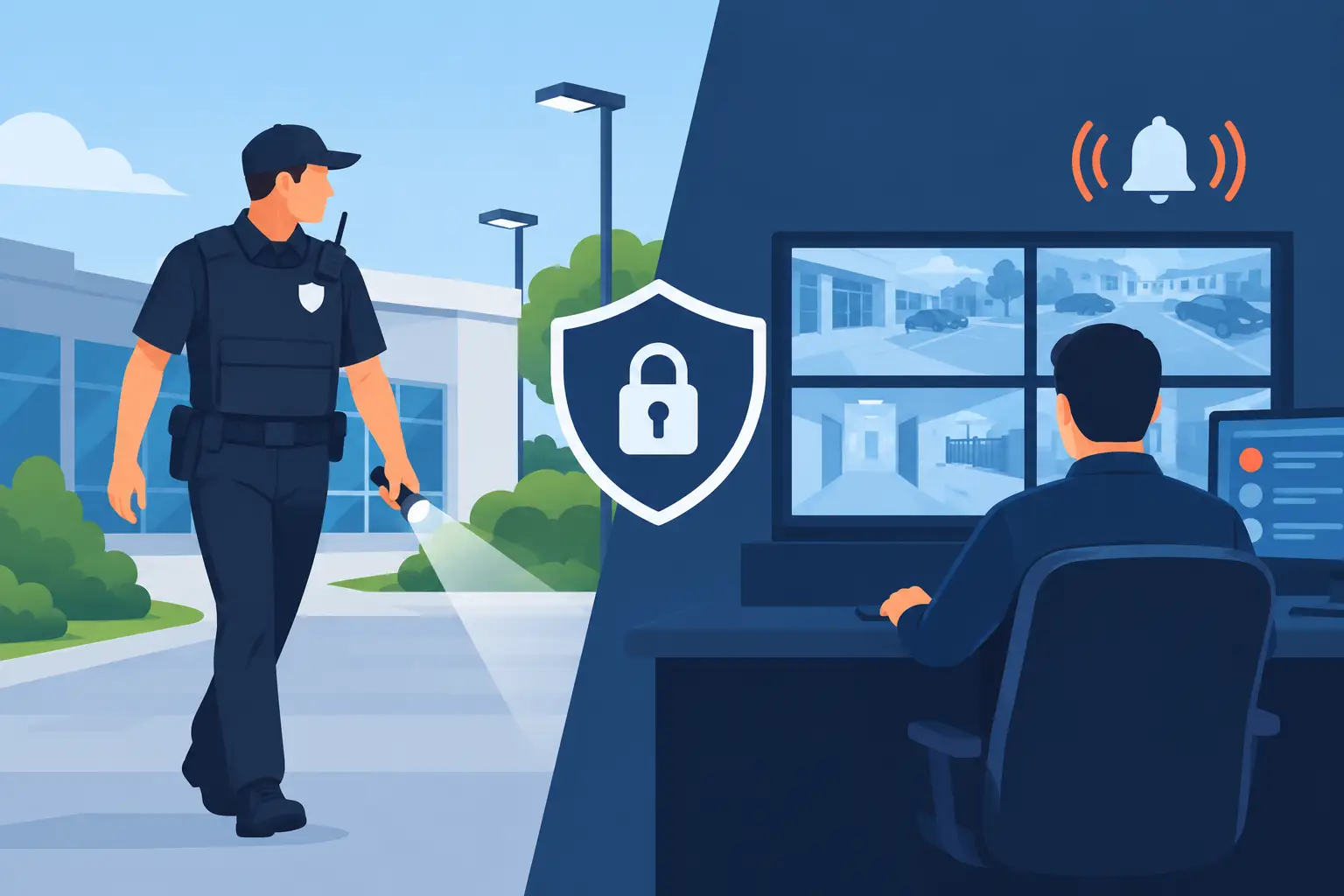
For stores facing repeated theft, aggressive behavior, organized retail crime, or safety concerns, trained security personnel can provide a visible deterrent and a controlled response presence. The best assignment depends on the site. An unarmed officer may be appropriate for customer-facing observation, access control, and reporting. A higher-risk environment may require armed coverage, rapid response planning, or coordination with mobile patrol services.
Springfield Private Security approaches these decisions through site-specific assessment, aligning officer presence and physical security measures with the client’s operating needs. Security should support the store team, protect customers, and maintain a professional atmosphere – not interfere with normal sales activity.
Review the Plan After Every Meaningful Incident
Retail theft prevention is not a one-time installation or policy update. Review significant incidents to determine what worked, where the response slowed down, and whether a process gap contributed to the loss. A forced entry may expose a lighting or access-control issue. A repeat shoplifting pattern may show that a product display, staffing plan, or camera angle needs to change.
Meet with store leadership regularly to review loss trends, employee concerns, customer feedback, and security incidents. Small adjustments made quickly are often more effective than waiting for losses to become a major operational problem.
The strongest retail security programs are visible where they need to be, respectful in customer areas, and disciplined behind the scenes. When employees understand their role, managers have dependable procedures, and security resources match the actual risk, theft becomes harder to commit and easier to address without sacrificing the experience that brings customers back.