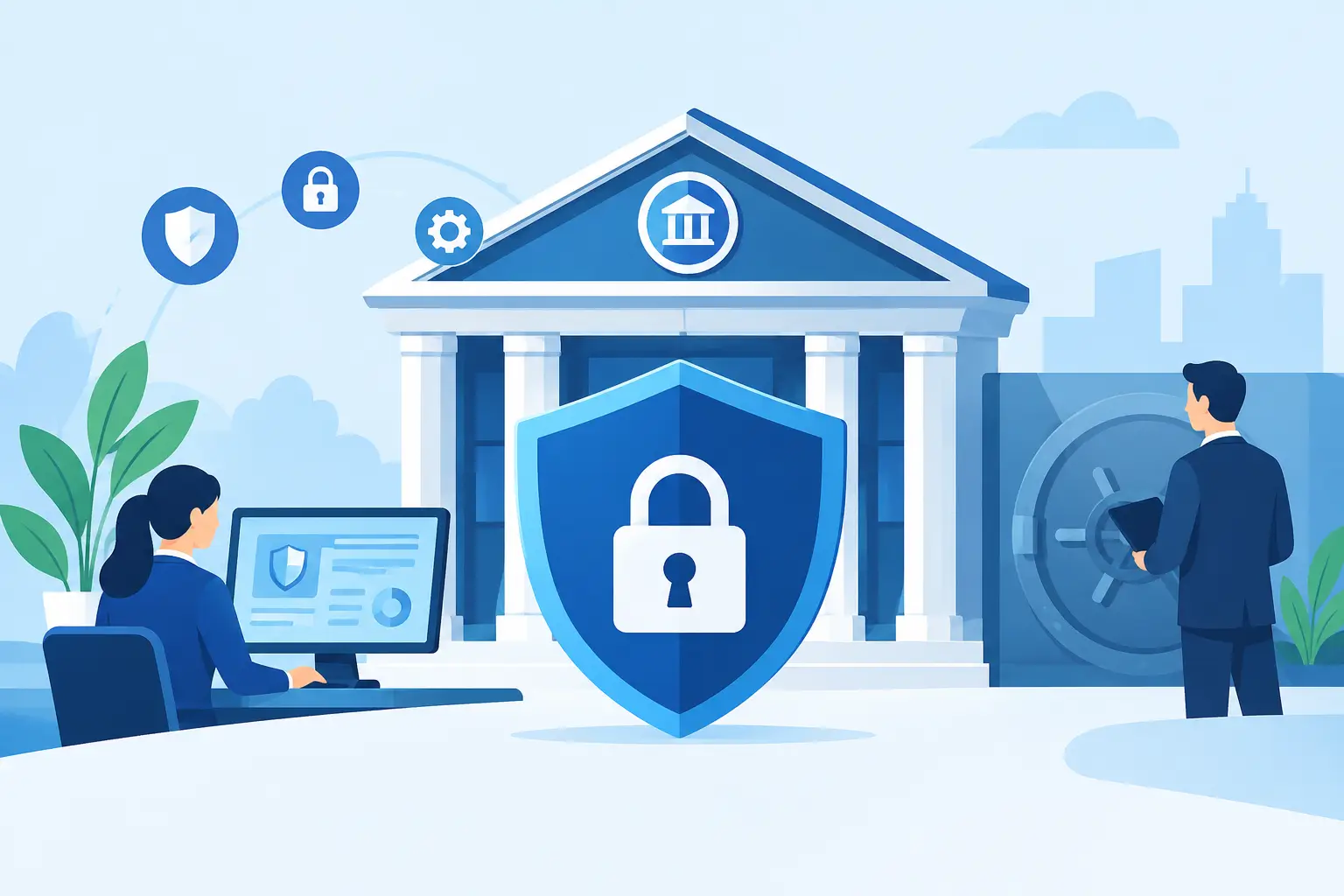
A workplace threat rarely begins with a dramatic incident. More often, it appears as an unsecured side door, an unresolved employee conflict, a visitor who enters without being screened, or a staff member who is unsure whom to call when something feels wrong. Learning how to reduce workplace threats means finding and correcting these gaps before they interrupt operations, harm people, or create costly liability.
For business owners, property managers, and operations leaders, the objective is not to turn a workplace into a fortress. It is to create a controlled, professional environment where employees, customers, tenants, and vendors can conduct business with confidence. The strongest security plans are visible enough to deter bad behavior, responsive enough to manage real incidents, and tailored enough that they do not create unnecessary friction in the workday.
Start With the Threats Your Site Actually Faces
Security plans fail when they are built around generic assumptions. A distribution facility with overnight deliveries has different vulnerabilities than a medical office, retail center, financial institution, corporate campus, or public event venue. A multi-tenant property also requires a different approach than a single-occupant facility where leadership can directly manage every employee and visitor.
Begin with an honest site assessment. Review the people who enter the property, the assets that need protection, the hours when staffing is light, and the areas where people can enter or move without being observed. Look at prior incidents, including theft, trespassing, disputes, vandalism, unauthorized access, and safety calls. Near misses matter as much as reported losses because they often show where controls are weak.
A useful assessment considers four questions: Who could cause harm? What could they access? How likely is an incident? What would be the operational consequence? This process helps leadership focus resources where they will make a measurable difference rather than spending money on security measures that look impressive but do not address the real risk.
How to Reduce Workplace Threats Through Access Control
Most physical security incidents involve opportunity. When entry points are poorly managed, keys are not tracked, or visitors can move freely through restricted areas, the site becomes easier to exploit. Access control is therefore one of the most direct ways to reduce workplace threats.
Start at the perimeter. Parking areas, loading zones, stairwells, gates, rear entrances, and employee-only doors deserve the same attention as the main lobby. Good lighting, clear signage, functioning locks, monitored cameras, and consistent patrols can deter trespassing and give staff better visibility when activity occurs after hours.
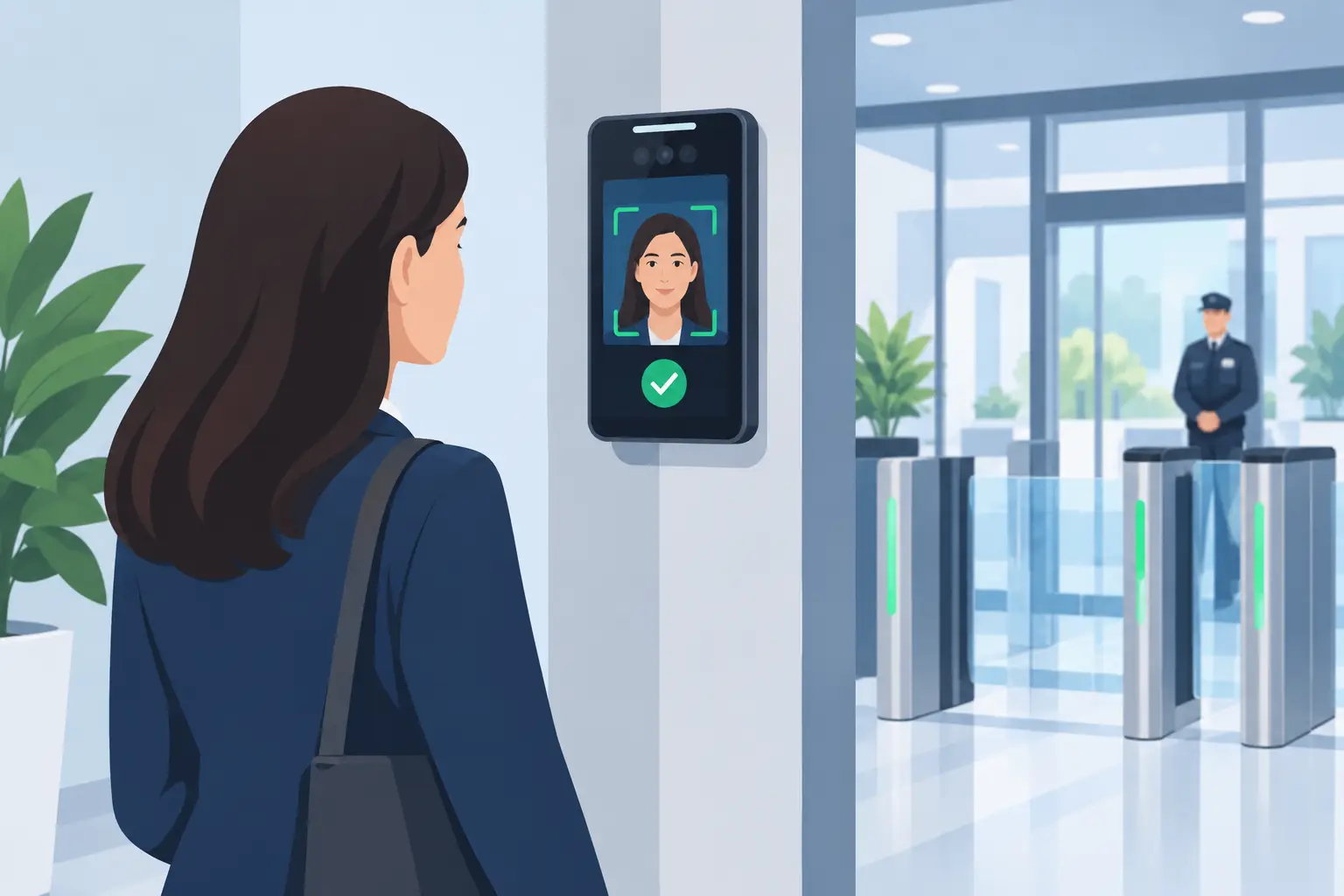
Inside the facility, limit access according to job function. Employees should be able to reach the spaces they need without having unrestricted access to records rooms, cash-handling areas, executive offices, server rooms, inventory storage, or other sensitive locations. Badge systems, key control procedures, visitor credentials, and escort requirements all help establish accountability.
The right level of control depends on the site. A busy commercial lobby may need a welcoming security presence and visitor check-in process, while a critical infrastructure location may require strict credential verification and controlled vehicle access. The common requirement is consistency. A policy that is ignored during a busy shift is not a security control.
Treat Employees as Part of the Security Plan
Security personnel, cameras, and access systems are valuable, but employees are often the first people to observe concerning behavior. They need simple guidance on what to notice, how to report it, and what to do if an incident becomes immediate.
Training should be practical, not alarmist. Employees should understand how to identify tailgating at secure doors, suspicious loitering, escalating conflicts, unfamiliar persons in restricted areas, and social engineering attempts that seek passwords, keys, access badges, or sensitive information. They should also know that reporting a concern is not overreacting. Early reporting gives management and security teams options before a situation grows.
Clear reporting channels are essential. Staff should know whether to contact a supervisor, onsite security officer, property management, a designated emergency number, or law enforcement. For non-emergency concerns, provide a process that is confidential, easy to use, and taken seriously. When people report issues and never receive acknowledgment, they stop reporting.
Leaders also have a role in reducing internal risk. Workplace violence prevention, respectful conduct standards, separation procedures, and support for employees experiencing personal threats should be coordinated among management, human resources, and security. Security is not responsible for solving every personnel issue, but it should be prepared for the risk conditions that personnel issues can create.
Build an Incident Response Plan People Can Use
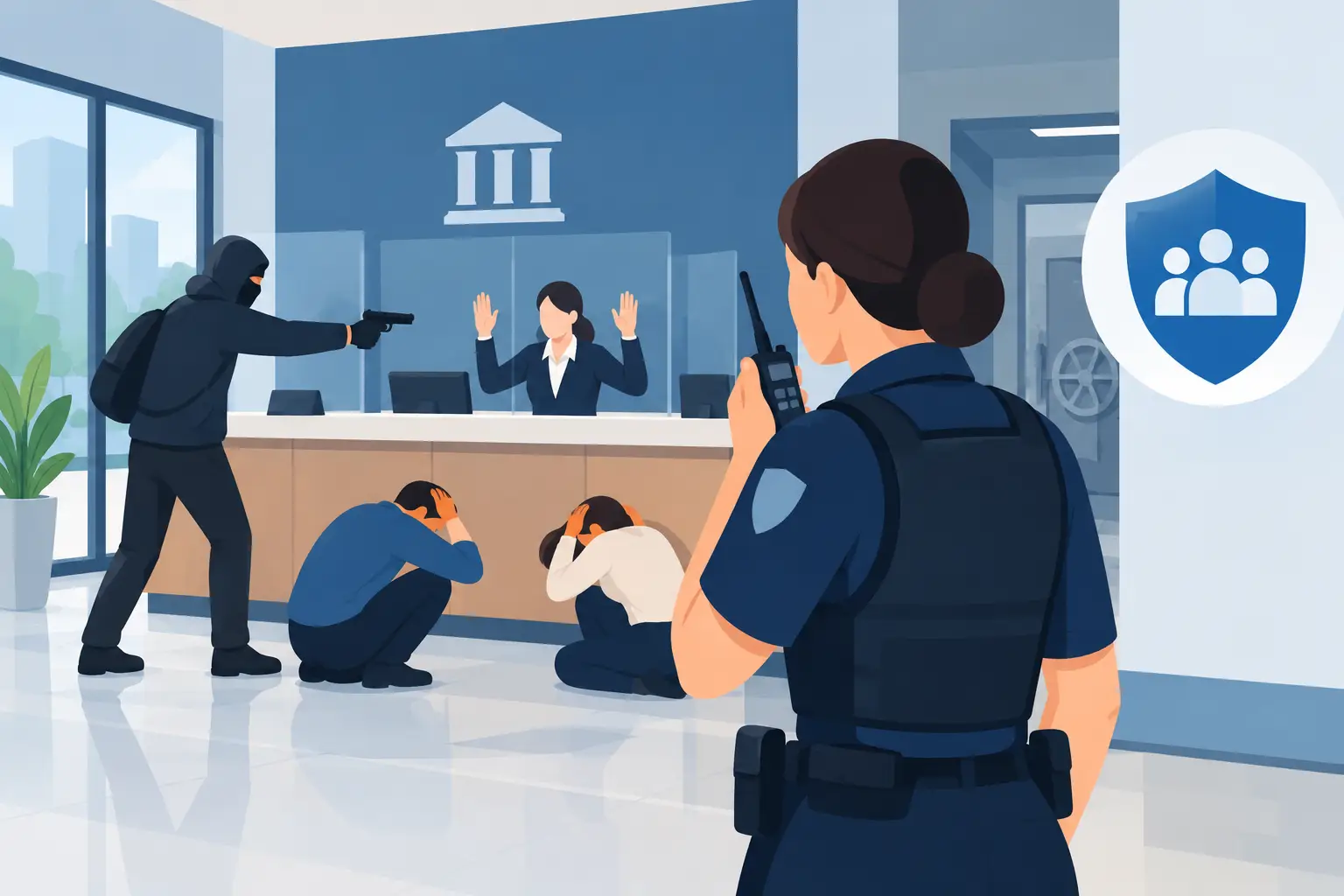
A response plan should work at 2:00 p.m. on a normal Tuesday and at 2:00 a.m. during a power outage. It should identify decision-makers, establish communication paths, and define immediate actions for credible threats, medical emergencies, intrusions, violent behavior, suspicious packages, fire alarms, and severe weather.
Avoid writing a plan that sits in a binder. Short, role-specific procedures are more useful than lengthy documents no one can recall under stress. Front-desk employees need to know how to handle an aggressive visitor. Managers need to know who has authority to close the site or authorize evacuation. Security officers need current contact lists, site maps, access instructions, and post orders that reflect actual conditions.
Practice matters. Tabletop exercises can test communication and decision-making without disrupting operations. A short drill may reveal that employees do not know the assembly area, after-hours contacts are outdated, or a critical door cannot be secured quickly. These are manageable problems when discovered in training. They are much harder to solve during a live incident.
Use Technology to Improve Awareness, Not Replace Judgment
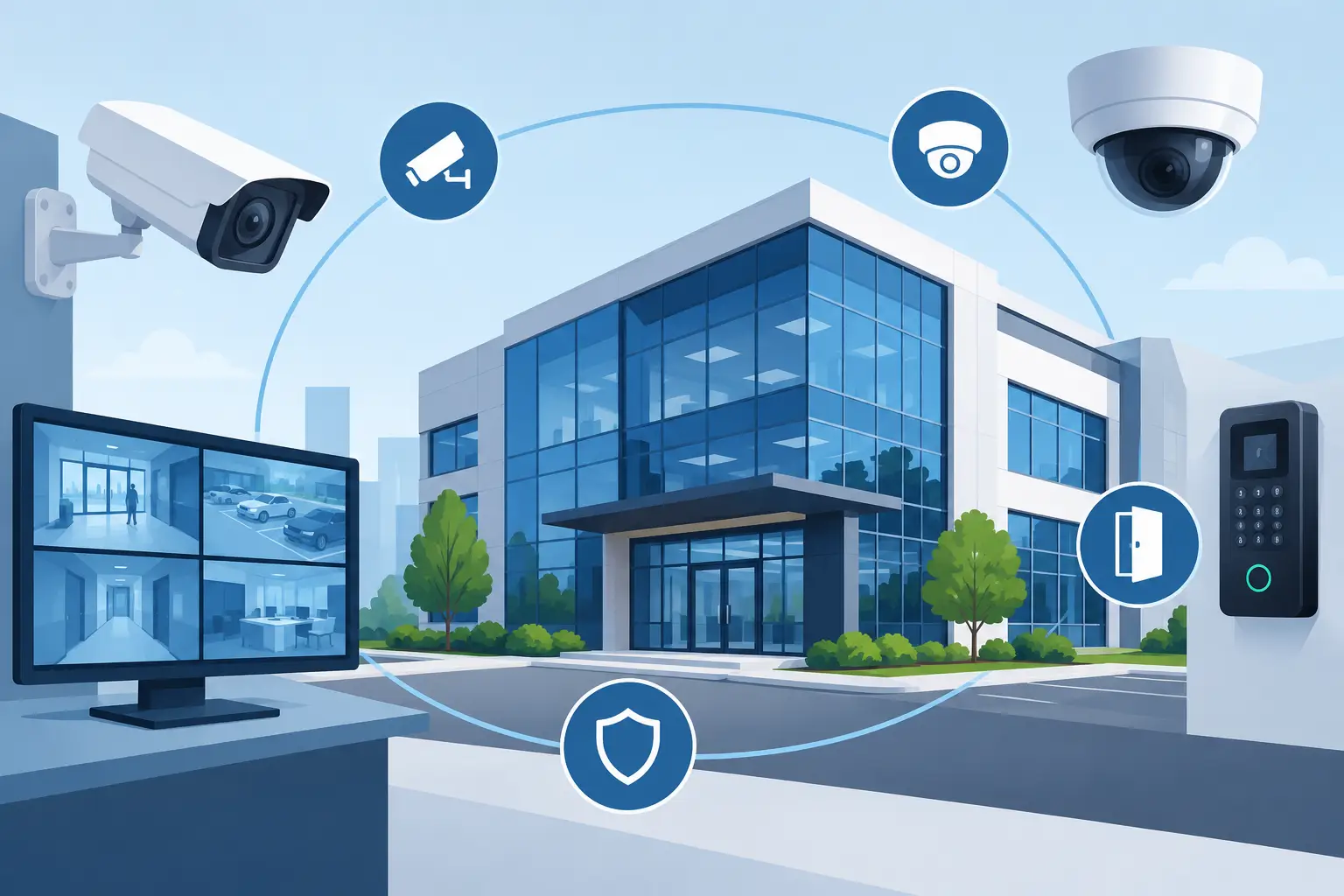
Cameras, alarms, access control platforms, panic buttons, and remote monitoring can strengthen security when they are selected for a defined purpose. They can document activity, alert responders, support investigations, and help management identify recurring vulnerabilities. But equipment alone does not create a response.
A camera that is poorly positioned, unmonitored, or incapable of producing usable images may provide little value after an incident. An alarm system without verified response procedures can create false confidence. Before adding technology, determine who receives alerts, who verifies the issue, how quickly someone can respond, and how the event will be documented.
Cybersecurity also belongs in the conversation. Workplace threats can begin with compromised credentials, phishing messages, exposed employee information, or unauthorized access to building systems. Physical and digital security teams should share relevant information, especially at sites that use network-connected cameras, access systems, or visitor management tools.
Match Security Coverage to Your Operating Hours
Risk changes throughout the day. A facility may be well staffed and supervised during business hours but exposed during opening, closing, shift changes, overnight deliveries, or special events. Review when the site has the fewest people, the greatest cash or inventory movement, and the longest emergency response times.
Onsite armed or unarmed officers can provide visible deterrence, visitor management, access control, incident documentation, and immediate support for staff. Mobile patrols may be a better fit for properties that need periodic checks of multiple buildings, gates, parking areas, or vacant spaces. For many organizations, the best model combines routine coverage with rapid response capabilities for escalated events.
The choice should be driven by risk, not image. An unnecessarily intrusive security posture can make employees or guests uncomfortable, while insufficient coverage can leave staff unsupported when conditions change. A professional provider should be able to explain why a recommended coverage model fits the location, schedule, public interaction, and business objectives.
Review, Measure, and Adjust
Workplace security is not a one-time project. New tenants, staffing changes, construction activity, employee turnover, seasonal volume, local crime patterns, and changes in operations can all alter the risk picture. Review incidents and near misses regularly, then adjust procedures before small problems become established patterns.
Track practical indicators: unauthorized entry attempts, alarm calls, suspicious activity reports, response times, theft trends, access-control exceptions, and recurring trouble areas. The goal is not to generate paperwork. It is to see whether security measures are reducing exposure and supporting continuity.
A qualified security partner can provide an outside perspective when internal teams are too close to daily operations to see the gaps. Springfield Private Security approaches this work through customized physical risk management, professional staffing, and procedures designed to protect people and operations without disrupting the client environment.
The most effective workplace security program gives people confidence without making every routine interaction feel restrictive. Start with the vulnerabilities you can see, make reporting and response dependable, and keep refining the plan as your operation changes. Preparedness becomes most valuable when it is already in place before someone needs it.