A security incident rarely begins with a dramatic event. More often, it starts with an unsecured side door, an unclear visitor policy, a gap between shifts, a frustrated former employee, or a team that does not know who is responsible when a threat develops. Security consulting helps organizations identify those gaps before they become costly disruptions, injuries, liability claims, or operational failures.
For business owners, property managers, event organizers, and institutional leaders, the goal is not to turn every site into a fortress. The goal is to protect people, property, and continuity of operations with controls that fit the environment. A distribution yard, medical office, bank branch, apartment community, construction site, and corporate campus all face different risks. Each requires a plan built around how the location actually operates.
What Security Consulting Should Deliver
Effective consulting is not a generic report filled with recommendations that sit on a shelf. It is a practical review of risk, exposure, existing safeguards, and response capability, followed by a clear plan for improvement.
A qualified security consultant begins by understanding the business. That means reviewing operating hours, traffic patterns, employee roles, public access, valuable assets, incident history, neighborhood conditions, and the organization’s tolerance for disruption. A site with frequent deliveries has different access control needs than a property with overnight residents. An event venue needs crowd management and emergency coordination, while a multi-location retailer may need consistent procedures across every site.
The final recommendations should answer direct operational questions: Where are the weak points? Which threats are most likely? What would cause the greatest harm? Who responds first? What should employees do? Which improvements need immediate action, and which can be planned over time?
Strong consulting turns broad concerns such as “we need better security” into defined responsibilities, measurable controls, and response procedures that employees and security personnel can follow under pressure.
The Difference Between Security Presence and Risk Management
On-site officers, mobile patrols, cameras, alarms, and access control systems are valuable tools. They are not, by themselves, a security strategy. A visible officer may deter trespassing, but the deployment must match the threat, site layout, operating schedule, and escalation procedures to be effective.
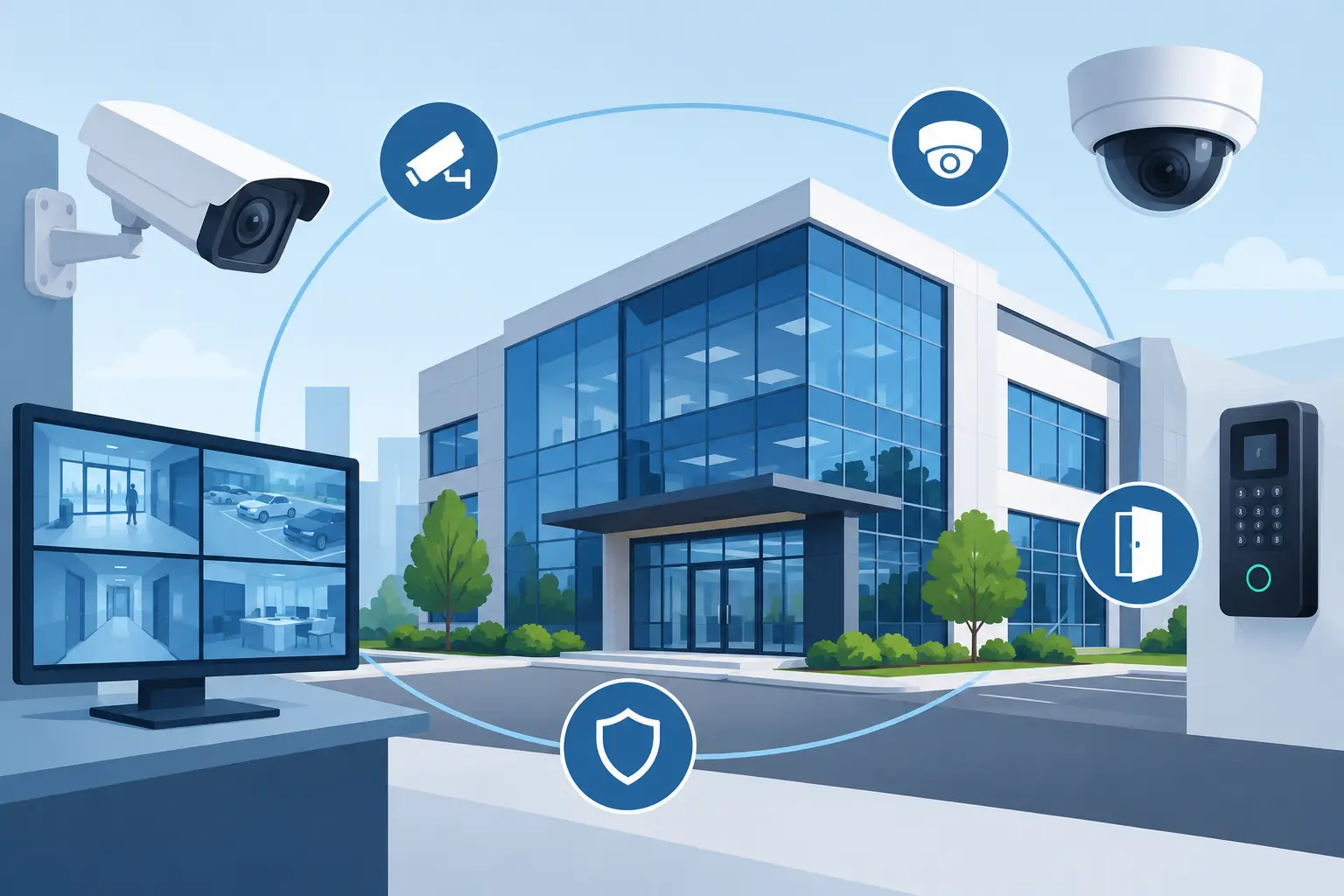
Security consulting connects those individual services into a coordinated risk management program. It identifies whether officers need a fixed post, patrol route, vehicle access, radio communications, or direct coordination with property staff. It evaluates whether cameras cover the areas that matter, whether lighting supports visibility, and whether alarm events reach the right person quickly enough.
This is particularly important when a business has already experienced incidents. Adding personnel or equipment after a theft, assault, or trespassing problem can provide immediate reassurance. However, a reactive solution may miss the underlying issue. The real cause could be poor key control, inconsistent vendor check-in procedures, inadequate perimeter maintenance, or uncertainty about when staff should call for assistance.
The right approach depends on the site. Some locations need a high-visibility security presence. Others benefit more from controlled access, periodic patrols, improved reporting, and a trained response plan. Good advice recognizes the difference rather than selling the same coverage model to every client.
What a Professional Security Assessment Examines
A thorough assessment looks beyond the front entrance. It considers how a threat could enter, develop, and affect operations. It also reviews the organization’s ability to detect a problem early and respond without confusion.
Common areas of review include:
- Perimeter conditions, lighting, fencing, gates, parking areas, and blind spots
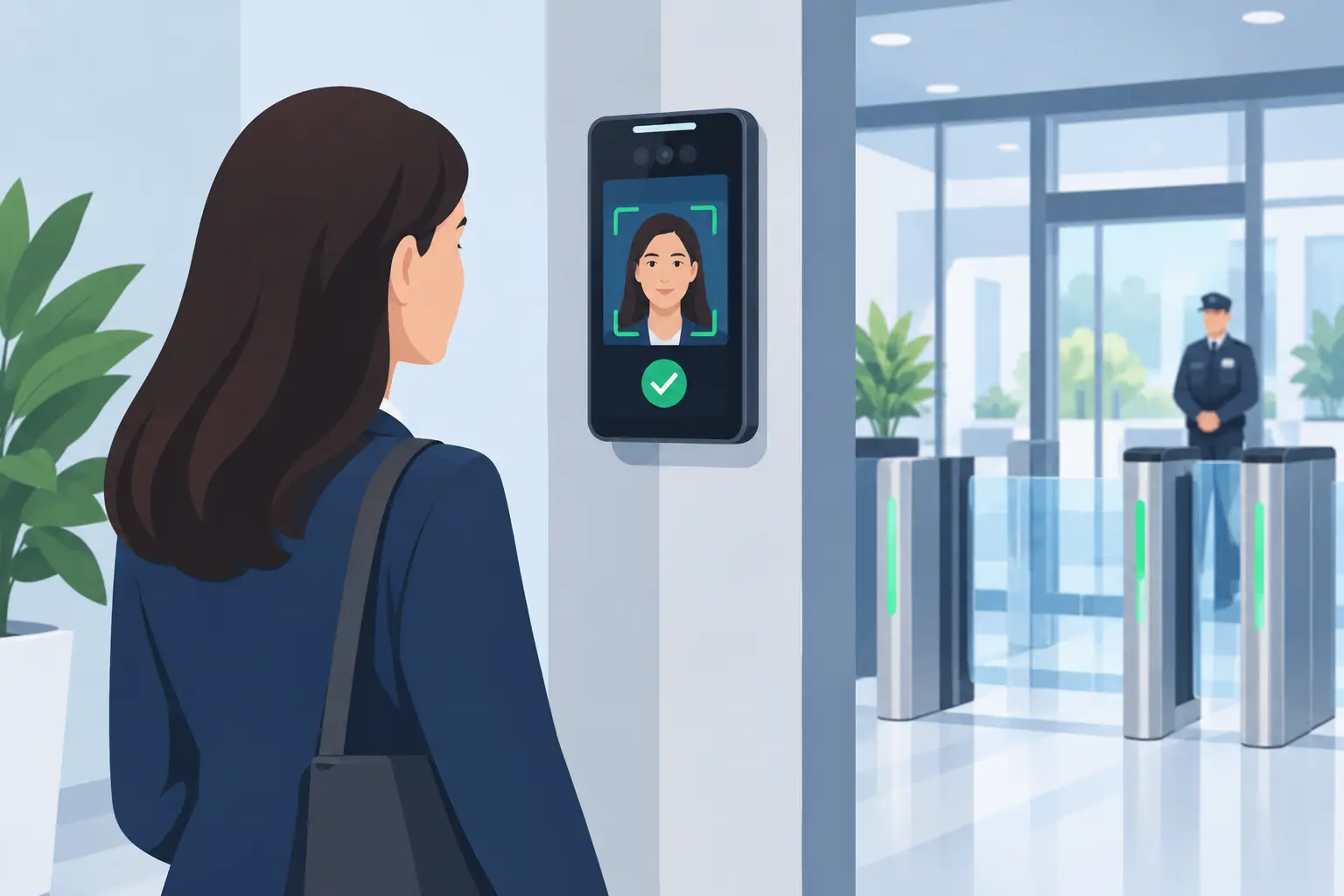
- Access control for employees, visitors, contractors, deliveries, keys, credentials, and restricted areas
- Security officer deployment, patrol procedures, post orders, reporting, and supervision
- Emergency readiness for medical incidents, fires, workplace violence, suspicious activity, evacuations, and severe weather
- Camera, alarm, communication, and incident reporting systems
- Policies affecting employee safety, visitor management, cash handling, opening and closing, and after-hours operations
The assessment should also account for the human side of security. Employees often see concerning behavior before management or security personnel do. If they do not know how to report it, or believe reporting will create problems, early warning opportunities are lost. Clear reporting channels and respectful communication are as important as physical barriers.
Prioritize the Risks That Can Disrupt the Business
Not every vulnerability deserves the same investment. Security consulting should help leaders prioritize based on likelihood, potential impact, and the feasibility of mitigation.
For example, a warehouse may identify several concerns: theft from loading docks, unauthorized after-hours access, vehicle collisions, and a slow response to alarm activations. The immediate priority might be improving dock procedures and after-hours verification, while longer-term investments could include upgraded surveillance coverage or changes to traffic flow.
This prioritization protects budgets as well as people. Organizations do not need to solve every possible risk at once. They need to address the risks most likely to harm employees, customers, assets, reputation, or business continuity. A phased plan can separate urgent corrective actions from improvements that require capital planning.
The most useful recommendations include a reason for each action. Decision-makers should understand what risk the measure addresses, who owns implementation, how it affects daily operations, and how success will be evaluated. Without that clarity, even well-intended recommendations can stall.
Turn Recommendations Into Daily Procedures
A security plan only works when people use it consistently. That is where many organizations fall short. Policies are written, equipment is installed, and coverage is scheduled, but frontline staff are never given practical instructions for opening, closing, challenging unauthorized visitors, reporting suspicious activity, or responding to an emergency.
Implementation should produce clear post orders, escalation procedures, contact lists, reporting standards, and training tailored to the site. If security officers are assigned, they need to know their authority, patrol expectations, client-specific rules, and when to contact law enforcement, management, or emergency services.
Procedures should also be tested. A tabletop exercise can reveal whether managers know who makes decisions during an evacuation. A review of an after-hours alarm response can show whether the correct contacts are reached. A walkthrough of visitor access can expose where staff are bypassing the intended process to save time.
Testing is not about creating unnecessary friction. It is about finding confusion while the stakes are low. The strongest programs make safe behavior easier to follow than unsafe shortcuts.
Security Consulting for Multi-Site and High-Risk Environments
Organizations with multiple properties face a different challenge: consistency. One site may have experienced staff and strong procedures, while another relies on informal practices. That inconsistency creates uneven exposure and makes incident management harder for leadership.
A consulting engagement can establish baseline standards across locations while leaving room for local conditions. Every site may use the same incident reporting format, training expectations, communication chain, and access control principles. At the same time, a high-traffic urban property may require officer coverage that a lower-risk location does not.
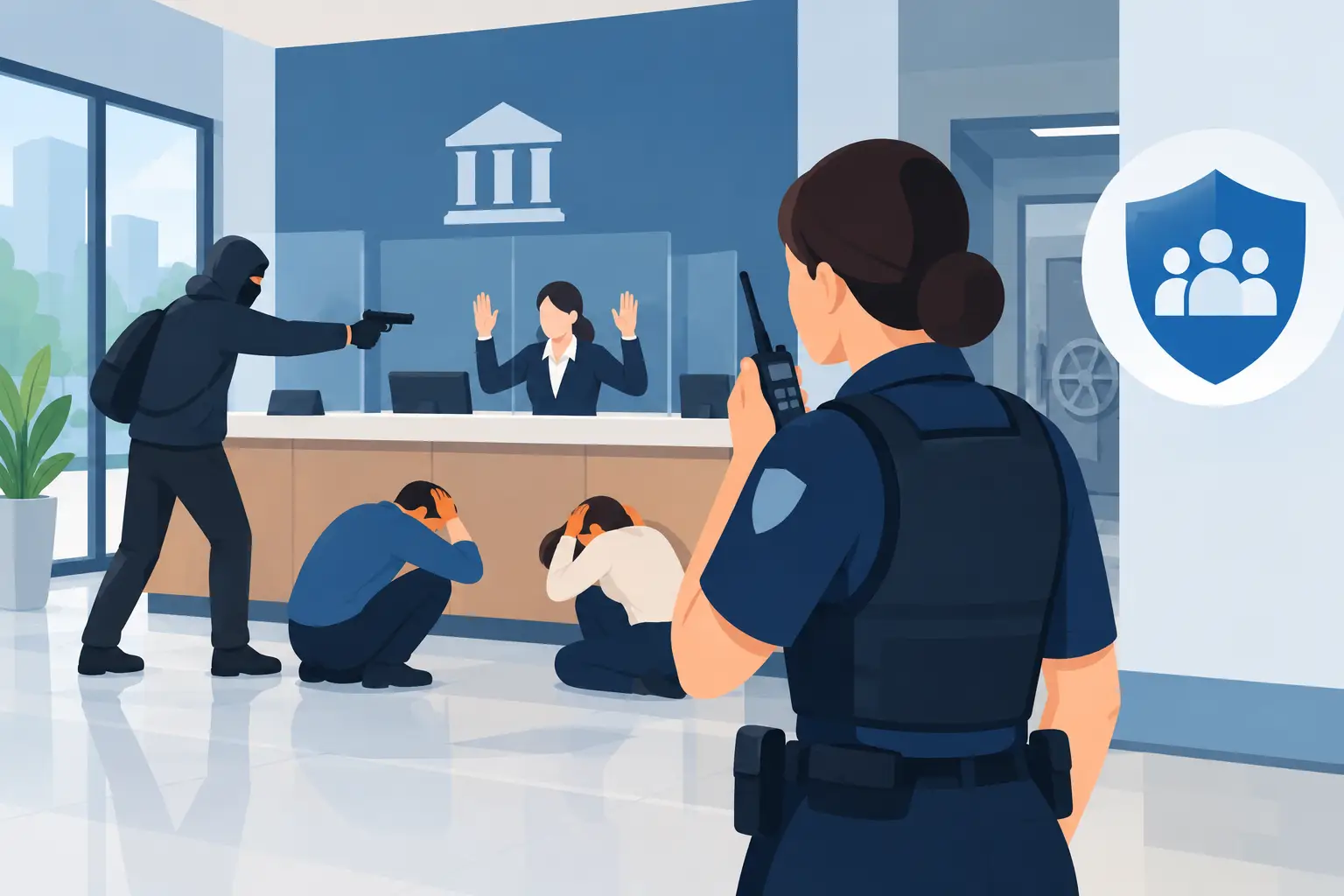
High-risk environments require additional planning. Financial institutions, critical infrastructure, construction sites, healthcare facilities, executive operations, and major events may need threat-specific protocols, intelligence support, rapid response capability, and close coordination with internal leadership. The right level of protection should be based on real exposure, not appearances.
Springfield Private Security approaches these engagements with the discipline of veteran-led operational experience and the practical understanding that protection must support, not interrupt, the client’s mission.
Choosing a Security Consulting Partner
The best consultant asks detailed questions before offering solutions. Be cautious of providers who recommend a fixed number of officers or a specific system before they understand the facility, operations, incident history, and objectives.
Look for a partner that can explain recommendations in clear terms, account for liability and continuity concerns, and help carry the plan through implementation. Experience with physical security, officer operations, emergency response, and local conditions matters because recommendations must work outside a conference room.
It is also reasonable to ask how the consultant will measure results. Fewer incidents may be one indicator, but so are faster reporting, better compliance with access procedures, improved response times, reduced losses, and greater confidence among employees and tenants. Security is not always measured by an event that never occurs. It is measured by preparedness, control, and the ability to act decisively when conditions change.
A well-designed security program should allow your people to focus on their work, your guests to feel safe, and your leadership team to make decisions with confidence. Start by examining where your operation is exposed, then build the protections that fit the way your business actually runs.