A recurring inventory shortage is rarely caused by one dramatic incident. It often builds through small process failures: an unsecured delivery door, inconsistent returns, unattended high-value merchandise, or an employee who does not know when to report suspicious behavior. The best retail loss prevention tactics address those everyday gaps before they become costly patterns.
For retail owners, property managers, and multi-site operations leaders, loss prevention is not simply about catching theft. It is a coordinated operating discipline that protects inventory, employees, customers, and the ability to keep the store open and productive. The right approach should be visible enough to deter criminal activity, but measured enough that honest customers and staff can conduct business without unnecessary friction.
Start With a Store-Specific Risk Assessment
A retail location should not adopt security measures just because another store uses them. A jewelry counter, neighborhood grocery store, big-box retailer, cannabis dispensary, and apparel boutique have different exposure points, merchandise profiles, customer traffic patterns, and response requirements.
Begin by reviewing where loss occurs, when it occurs, and how it is discovered. Compare inventory variance by department, shift, location, and product category. Review incident reports, refund activity, damaged-goods records, delivery discrepancies, and camera footage from known events. This establishes a baseline and prevents management from investing in controls that solve the wrong problem.
The assessment should also examine the physical environment. Blind corners, poorly lit parking areas, unsecured stockrooms, cluttered sightlines, and entrances without a clear employee presence can create opportunity. A practical assessment identifies risks without turning the store into a restrictive or unwelcoming space.
Design the Floor to Support Loss Prevention
Store design can either help employees maintain awareness or make surveillance difficult. High-value, easily concealed, or frequently targeted merchandise should be positioned where employees can see it, preferably near staffed service areas. For some products, locked displays, cable security, product keepers, or controlled access may be appropriate.
Those controls have trade-offs. Over-securing lower-risk merchandise can frustrate legitimate shoppers and increase the workload on staff. The goal is not to lock down the entire sales floor. It is to match the level of protection to the item, the location, and the documented risk.
Good sightlines matter. Keep displays low enough for employees to see across key aisles, maintain bright lighting at entrances and exits, and avoid creating hiding places around fixtures or promotional displays. Mirrors can assist in limited areas, but they should supplement employee awareness rather than replace it.
Make Employee Awareness Part of Daily Operations
Employees are often the first people to notice behavior that does not fit normal store activity. They may observe repeated trips through the same aisle, attempts to distract staff during a return, individuals entering employee-only areas, or a customer who appears to be casing high-value merchandise. They need clear instruction on what to do next.
Training should focus on observation, service, reporting, and personal safety. A simple customer-service greeting can be an effective deterrent because it signals awareness without making an accusation. Employees should know how to offer assistance, notify a supervisor or security officer, preserve relevant details, and avoid escalating a situation.
They should not be expected to physically intervene, chase a suspected shoplifter, or place themselves between a person and an exit. The cost of a single item does not justify an employee injury, a customer injury, or a confrontation that creates greater liability. Clear no-pursuit and de-escalation policies protect people while helping the business respond consistently.
Control Receiving, Returns, and Back-of-House Access
Retail shrink is not limited to sales-floor theft. Receiving errors, fraudulent returns, vendor discrepancies, and internal theft can create substantial losses that are harder to detect because they occur away from customers.
Deliveries should be checked against purchase orders and packing slips by trained personnel, with discrepancies documented immediately. High-value deliveries may require dual verification, secured staging, or camera coverage at the receiving area. Inventory should not sit unattended in a loading zone, hallway, or unlocked stockroom while employees move on to other tasks.
Return policies also need operational controls. Require appropriate proof of purchase when possible, define when manager approval is needed, and track unusual patterns such as repeated no-receipt returns, excessive refunds by one cashier, or frequent price overrides. These measures should be applied consistently and in accordance with company policy and applicable law.
Back-of-house access deserves the same attention. Limit keys, access cards, alarm codes, and stockroom access to personnel who need them. Review access privileges when employees change roles or leave the organization. A basic access log can provide useful accountability when inventory issues arise.
Use Technology as Evidence, Not a Substitute for Management
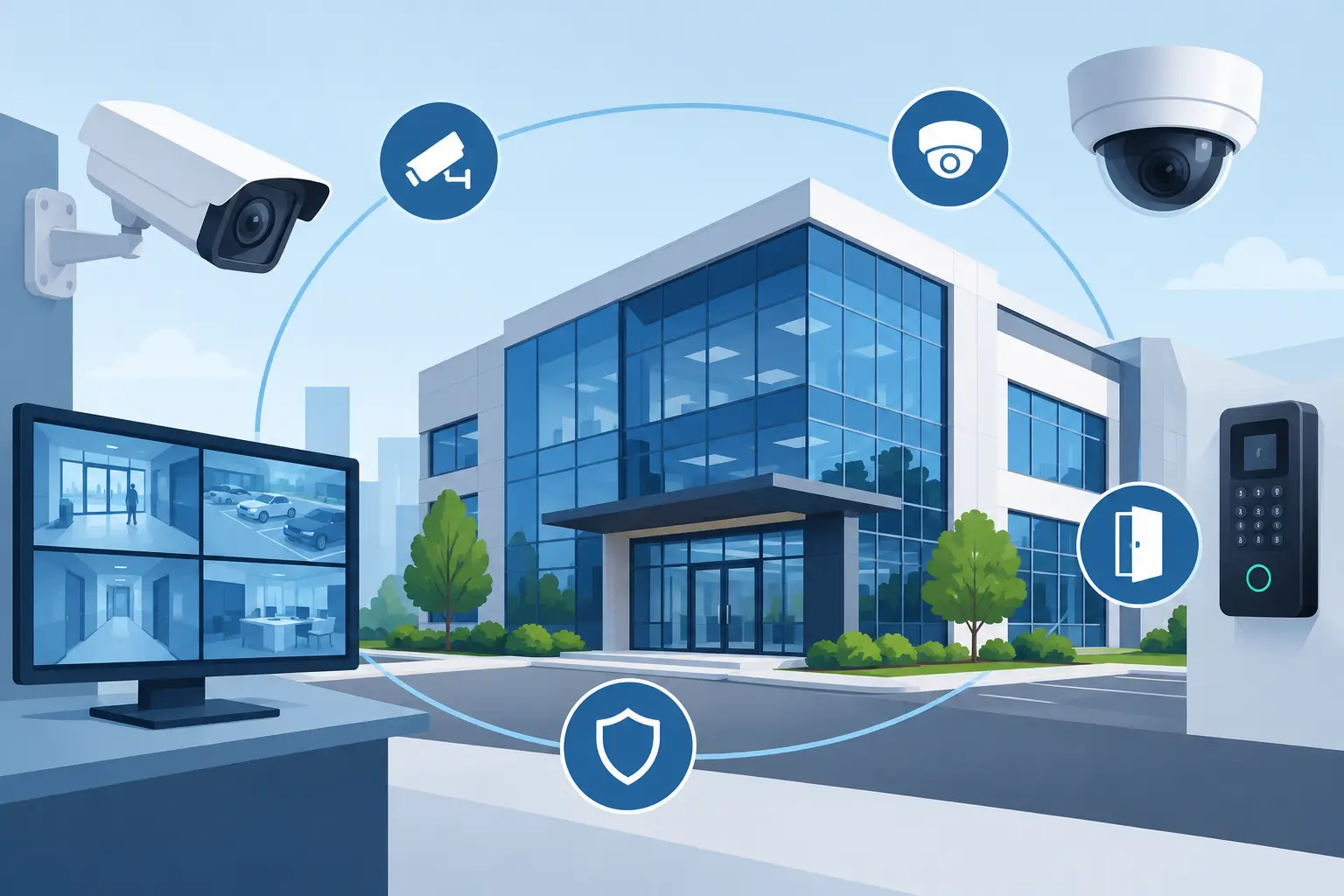
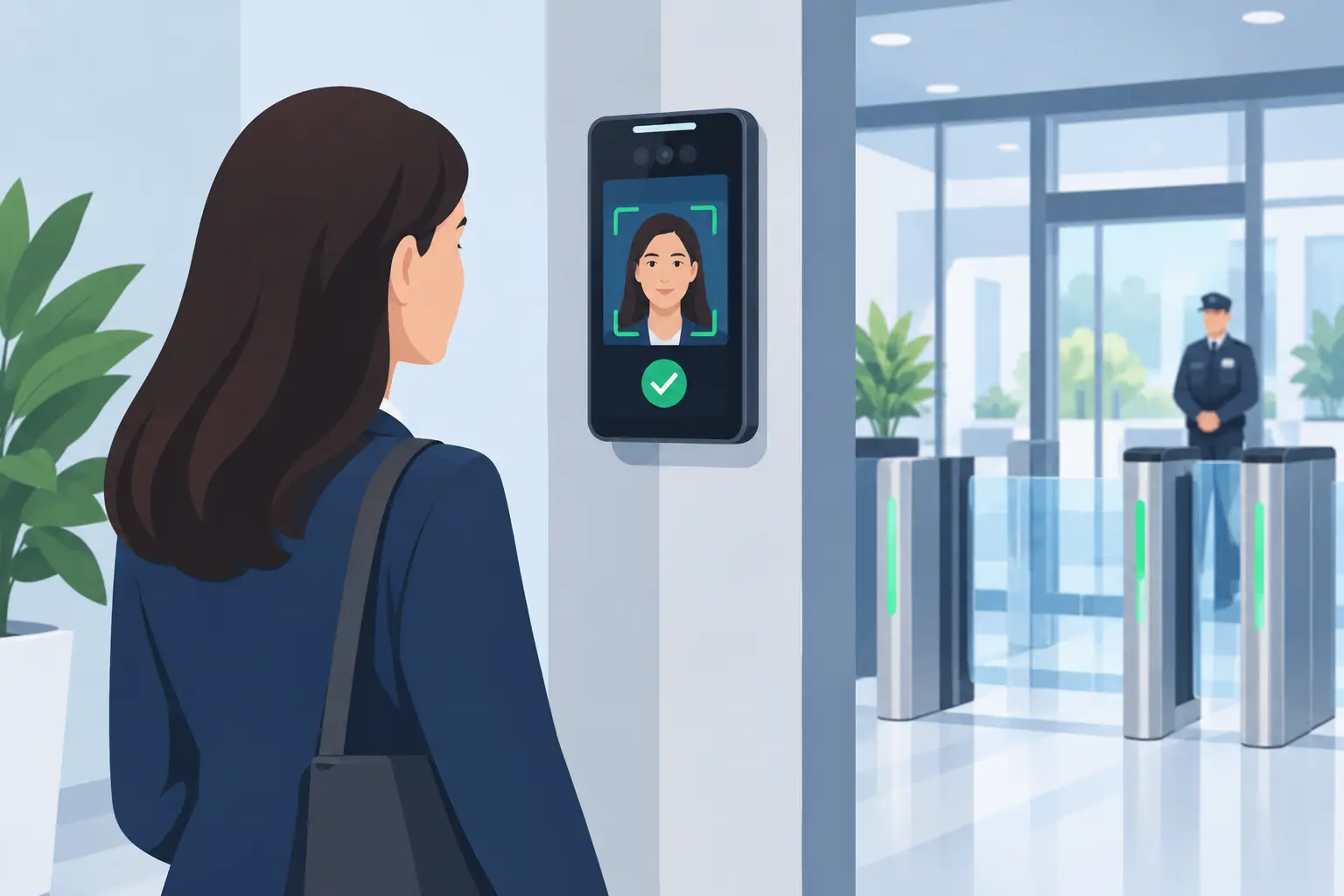
Cameras, electronic article surveillance, point-of-sale reporting, access control, and alarm systems are valuable tools. Their effectiveness depends on placement, maintenance, and the process behind them.
Camera coverage should prioritize entrances, exits, cash-handling areas, receiving docks, high-value displays, stockrooms, and parking areas where appropriate. The footage must be clear enough to be useful, retained for a reasonable period, and reviewed after incidents. A camera that records only a distant, obstructed view offers limited investigative value.
Electronic article surveillance can deter opportunistic theft and alert staff at exits, but it is not a complete loss prevention plan. Tags must be applied correctly, deactivation procedures must be controlled, and alarm activations should be handled professionally. Employees should never make assumptions or accusations solely because an alarm sounds.
Point-of-sale data can reveal trends that cameras cannot. Monitor voids, discounts, refunds, no-sale drawer openings, gift card activity, and override frequency. Management should look for patterns, not isolated numbers. A busy cashier may legitimately process more corrections than others, while a consistent pattern tied to a particular shift or transaction type may require review.
Establish a Visible, Professional Security Presence
For locations with recurring theft, safety concerns, large crowds, high-value merchandise, or elevated risk, trained security officers can add a strong preventive layer. A professional officer provides visible deterrence, observes activity, assists with access control, documents incidents, and coordinates with law enforcement when necessary.
The assignment should be tailored to the property. Some retailers benefit from an officer positioned at the entrance during peak periods. Others need mobile patrols covering a shopping center, parking area, loading dock, and after-hours perimeter. A multi-location retailer may need consistent post orders, reporting standards, and escalation procedures across every site.
The quality of the officer and the instructions they receive matter as much as the uniform. Security personnel should understand the retailer’s customer-service expectations, emergency procedures, prohibited actions, reporting chain, and use-of-force policy. Their presence should support operations, not disrupt them. Springfield Private Security approaches this work through site-specific planning so security coverage aligns with the client’s risk level and day-to-day business needs.
Build Clear Incident Response and Reporting Procedures
A theft incident can become more difficult and more expensive when employees are unsure who to call, what to document, or how to protect evidence. Every store should have a simple response plan for shoplifting, employee misconduct, disorderly conduct, trespassing, threats, and emergencies.
Reports should capture the date, time, location, description of the individual or activity, merchandise involved, employee observations, available video, and actions taken. Objective reporting is essential. Staff should record facts rather than labels, guesses, or personal opinions.
Management should review reports regularly to identify repeat offenders, vulnerable hours, product trends, and recurring operational gaps. If the same issue appears each Friday evening near a particular entrance, the response may be a staffing adjustment, improved lighting, repositioned merchandise, or additional security coverage during that period.
Protect People First and Measure What Changes
Loss prevention succeeds when it reduces preventable loss while maintaining a safe, workable environment for employees and customers. A decline in shrink is meaningful, but so are fewer safety incidents, faster response times, better inventory accuracy, and reduced employee turnover caused by unsafe working conditions.
Avoid measuring success solely by apprehensions or confrontations. High intervention numbers can indicate active enforcement, but they can also point to poor store design, weak procedures, or an approach that is creating unnecessary risk. The stronger result is a location where employees know their responsibilities, incidents are documented properly, and potential problems are addressed early.
Retail loss prevention is a continuing operational responsibility, not a one-time equipment purchase or policy update. Review the risks, test the procedures, train the team, and adjust coverage when conditions change. That disciplined approach gives a business the best chance to protect its assets while keeping its doors open, its people safe, and its customer experience intact.